Recommended


While the degree of tumult in US development policy over the last 20 months is without precedent, there have been rocky periods in the past. For instance, in 2011, a contentious fight over the growing federal debt (!) led to a compromise that promised real spending cuts, including foreign aid. Against that backdrop, CGD, in conjunction with the Center for American Progress, convened a working group that brought together experts from both political parties to grapple with the reality of a shrinking foreign aid pie.
In May 2012, the working group co-chairs published Engagement Amid Austerity—a hefty tome offering guidance for prioritizing spending within the International Affairs budget. While the report drew from the working group’s deliberations, it wasn’t a consensus document. It paired country-level data with deep expertise on US international assistance and added a hefty dose of judgment. The recommendations (mind you, this was long before the Substack hot take) weren’t popular across the board. The authors took their charge seriously, offering a detailed approach to identifying places to cut back on spending.
Why revisit a 14-year-old report? It’s still as salient as ever. To wit, here’s the opening paragraph:
US government spending on foreign affairs will face significant pressures in the coming years under almost any scenario. A divisive political environment, continuing worries about a sluggish economic recovery, concerns over rising budget deficits and national debt, and upcoming elections make it difficult for policymakers to reach agreement on budget priorities. That uncertainty will have far-reaching consequences.
With questions again at the fore about what to prioritize within the US international aid budget—and how—we thought it might be useful to assess the report’s recommendations against what came to pass and what didn’t (note: one of us provided research support for the original publication and is, thus, listed alongside the lead authors). Here’s our quick assessment of Engagement Amid Austerity: A Bipartisan Approach to Reorienting the International Affairs Budget, some 14 years later.
As all good reports do, this one starts with context and plenty of caveats—key among them: it is not comprehensive and largely doesn’t grapple with how to prioritize multilateral assistance; also, American aid investments are important and should align with—or at least not undermine—our strategic priorities and values. Then it launches into four big ideas.
1. Make aid more selective. 2026 verdict: Not even close.
Support for this idea, and the all-important guidance for making it actionable, comprises much of the report. The report contends that US foreign assistance is sprinkled around the globe with less impact than if it were concentrated selectively in a smaller set of countries and sectors. In FY12, 103 nations received US economic assistance. Jump ahead 10-plus years and that figure has grown. According to foreignassistance.gov, the United States disbursed economic aid to 180 countries in FY25.
2. Transition PEPFAR to country ownership. 2026 verdict: In progress…
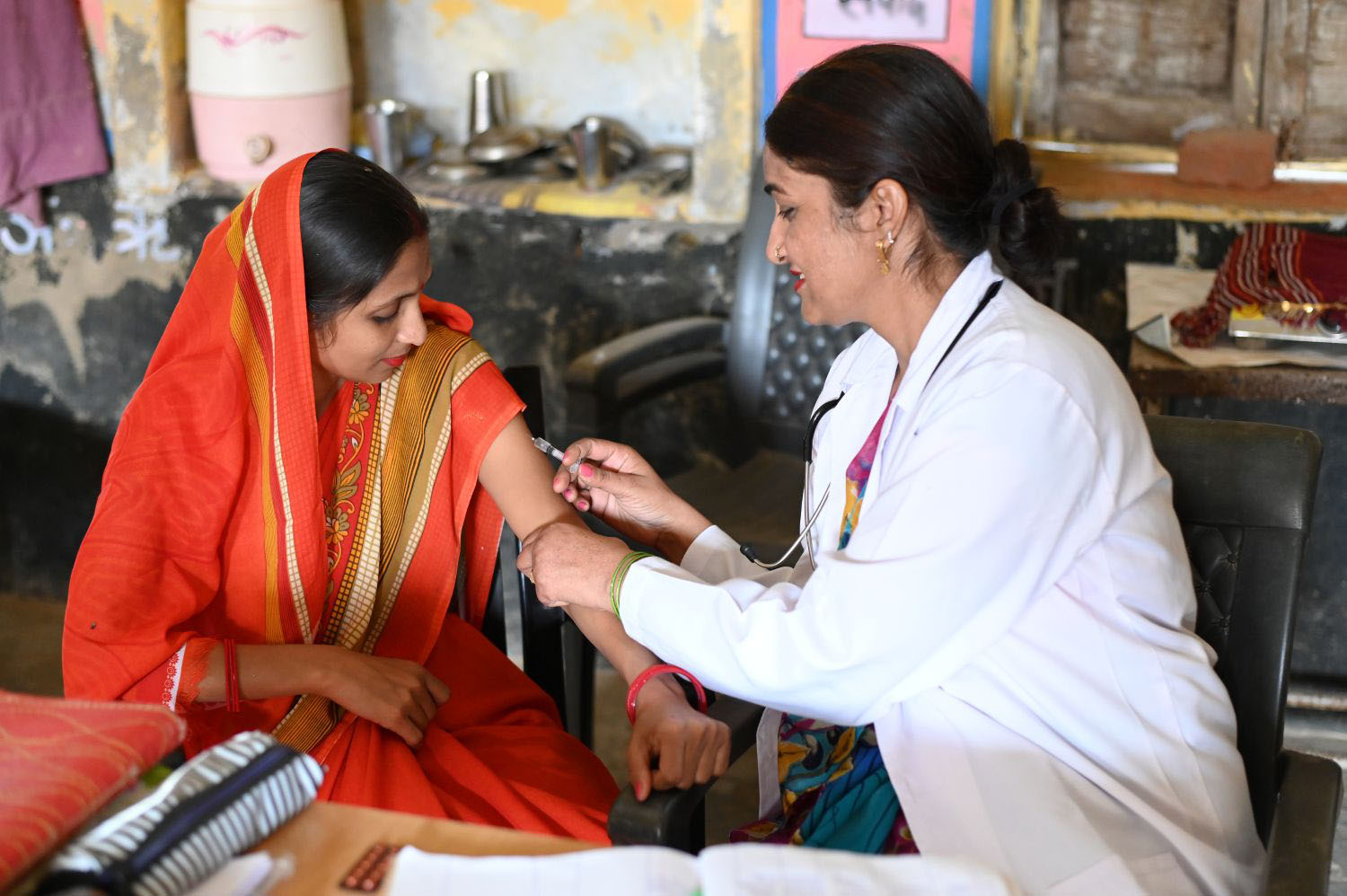
The PEPFAR initiative has long aimed to transition responsibility for health services to country governments, but progress had been slow. The second Trump administration has doubled down on this goal, signing bilateral memoranda of understanding with partner governments that dictate mutual investment, a focus on country health systems, and time-limited programming. Still, the rapid pace of planned transitions and accompanying aid cuts have sparked worry that populations could lose access to critical health services if not managed with the utmost care.
3. Overhaul US food assistance. 2026 verdict: Headed in the opposite direction.
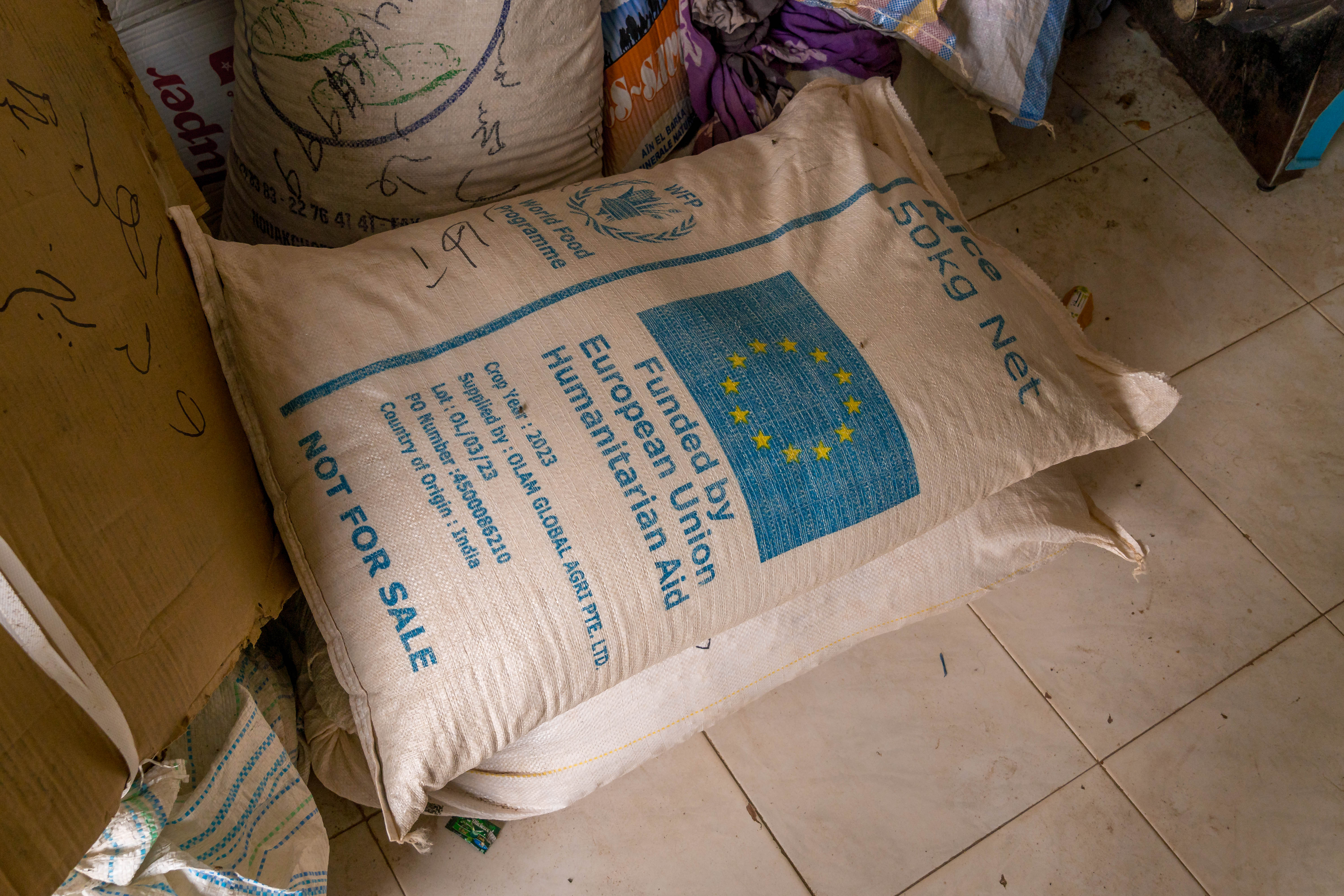
Calls to improve the efficiency of (notoriously inefficient) US international food aid have echoed for decades. The system’s heavy reliance on contributions of US-grown and shipped commodities increases costs and delivery time. The tradeoff, of course, is that American producers and shippers shore up the domestic constituency for sending food aid overseas. This long-running tension has meant that efficiency-oriented reforms have found success only at the margins. In the current administration, we’ve seen the pendulum swing the other way. Under an agreement with the State Department, the US Department of Agriculture has assumed responsibility for administering US international food aid programs, pledging to maximize the use of US-grown agricultural products.
4. Create an International Affairs Realignment Commission. 2026 verdict: Overtaken by events?
It might be easy to declare this recommendation overtaken by events. After all, the Department of Government Efficiency (DOGE) shut down the entirety of USAID, which meant the closure of missions around the globe. That said, it would be hard to argue that the process was informed by objective and uniform criteria, nor was it subject to rigorous debate and open hearings, both of which are required components of the military base alignment and closure process that inspired the recommendation. But the missions are closed, so “mission accomplished?”
Today, we have many fewer foreign aid missions–and far less staff with development expertise working abroad. There’s far less staff, full stop. State’s FY27 Congressional Budget Justification actually proposes a global reduction in embassy staff at post compared to FY25. That’s sure to save some money (at the margins from the perspective of broader federal spending), but what does it mean for the United States’ ability to achieve its foreign policy and development goals?
What next?
Aid remains a critical tool for advancing US interests—economic, moral, and strategic. But the current moment also demands new ideas. Luckily, the US has a number of existing tools that can and should be deployed to substitute for a shrinking foreign aid portfolio. Rather than continue to scatter scarce aid across 92 percent of the world’s countries, the US should focus aid in a select number of countries where grant-based support is needed most and then maintain relationships with other countries by providing concessional loans and guarantees, engaging through the signing of bilateral investment treaties and trade and investment framework agreements, setting up enterprise funds, taking part in debt-for-development swaps, and so on. More to come.
Thanks to Julia Brownell for the help with data visualization.
Topics
DISCLAIMER & PERMISSIONS
CGD's publications reflect the views of the authors, drawing on prior research and experience in their areas of expertise. CGD is a nonpartisan, independent organization and does not take institutional positions. You may use and disseminate CGD's publications under these conditions.
Thumbnail image by: Viktoria/ Adobe Stock