You are here

Education
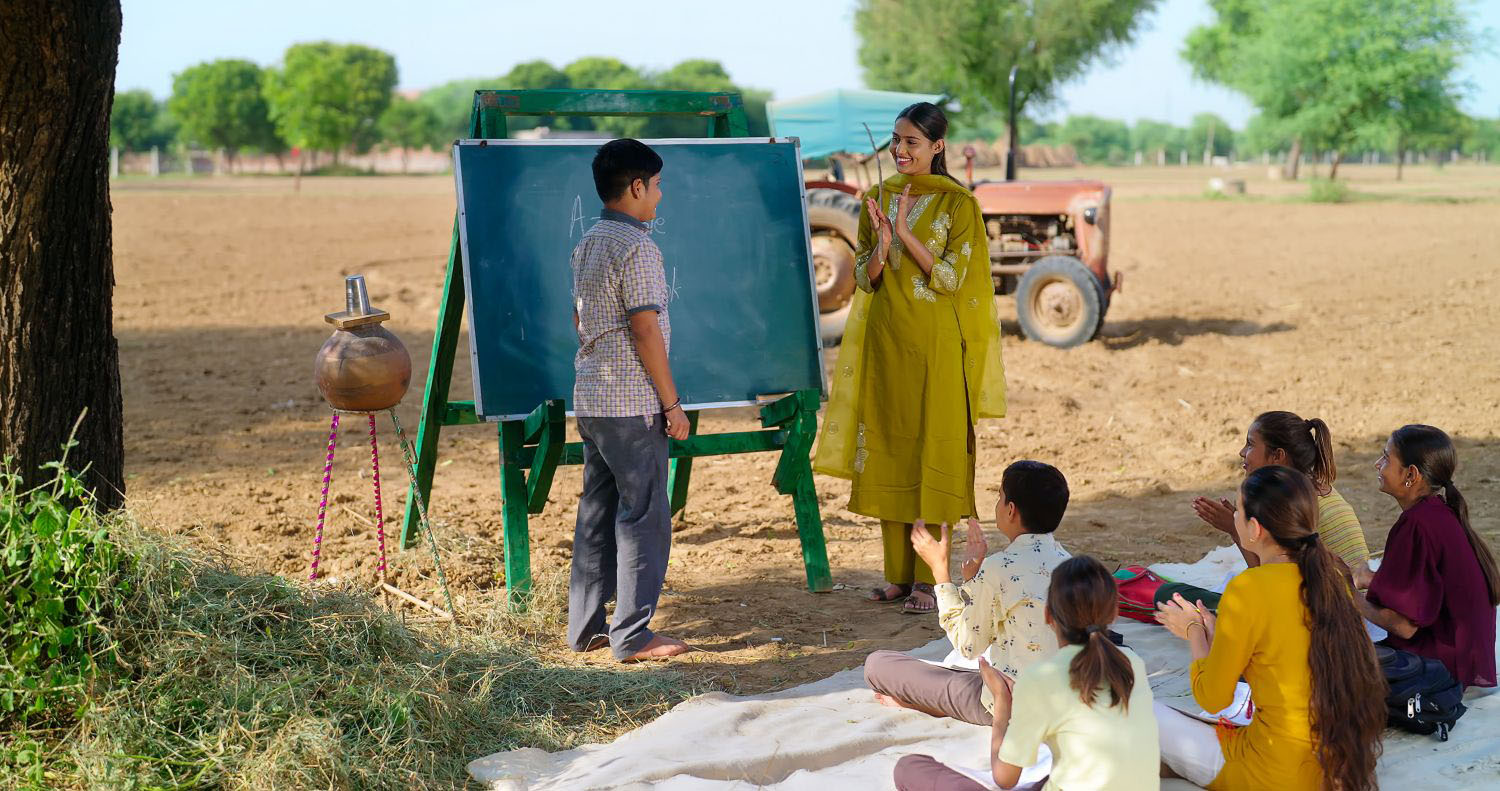
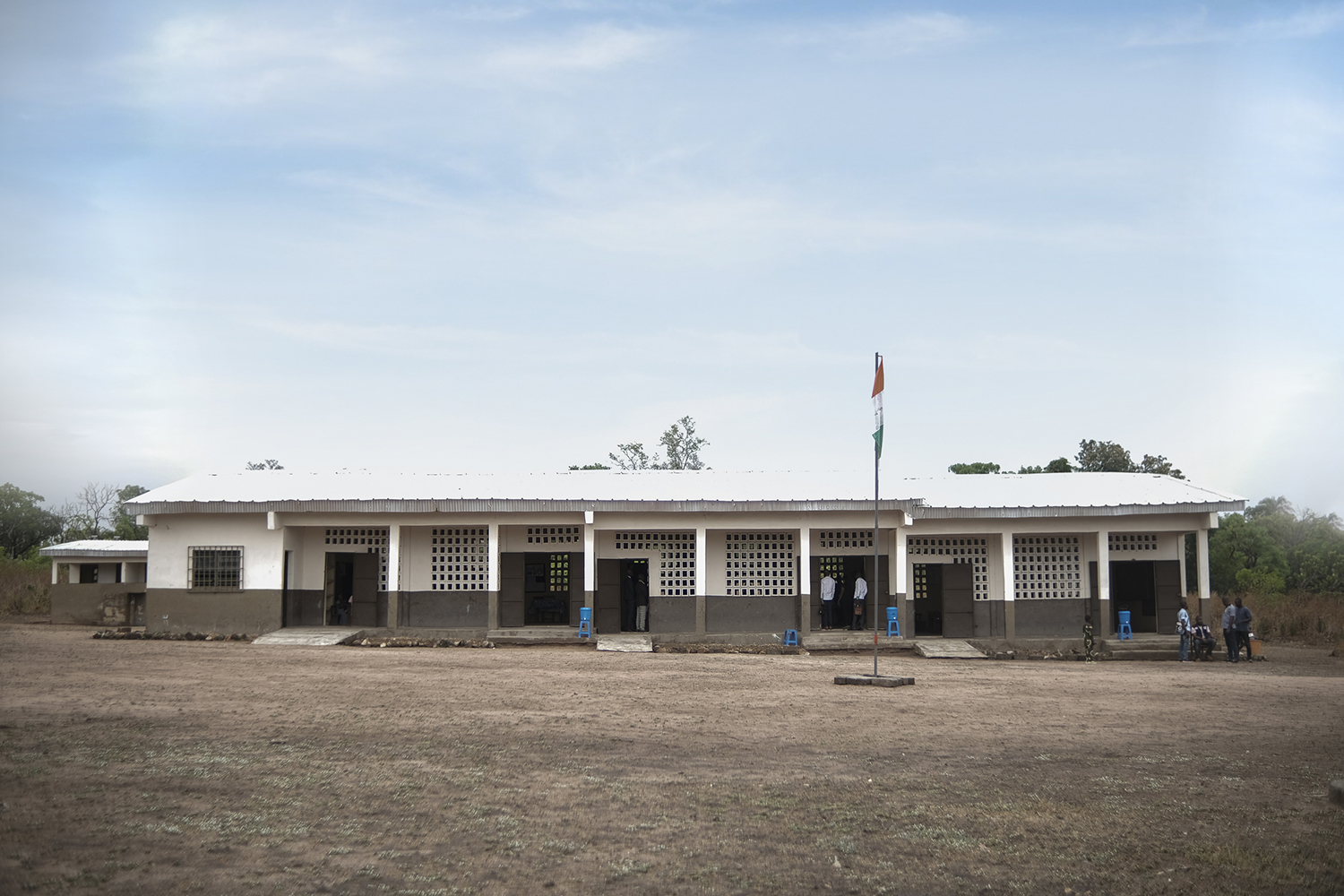
CGD’s education program focuses on broad welfare goals and seeks to understand the role education can play in addressing inequity. Despite the tremendous progress that has been made in getting girls and boys into school, education has not yet fulfilled its promise of being the great societal equalizer. Gender inequality remains acute and deeply rooted in the economic, political and social spheres in developing countries. Intergenerational mobility is declining, not increasing. Poor children get educated in bad schools where they do not acquire basic numeracy and literacy skills while rich children attend good schools.
Our research examines the mechanisms through which education can give children equal life opportunities and build the human capital that nations need to prosper.
Featured Work


Get Education Updates
More on Education
Contact
Sharmili Satkunam
ssatkunam@cgdev.org
Related Experts
Related Working Groups
Related Education Content
Achieving some absolute standard of learning for all children is a key element of global equity in education. Using the Annual Status of Education Report (ASER) data from India and Pakistan, and Uwezo data from Kenya, Tanzania, and Uganda that test all children of given ages, whether in school or not, on simple measures of learning in math, reading (local language), and English, we quantify the role of achieving equality between the richest 20% and the poorest 40% in terms of grade attainment and learning achievement toward accomplishing the global equity goal of universal numeracy and literacy for all children.
Pages
This set includes data and Stata files to replicate the results in CGD Working Paper 279, “The High Return to Private Schooling in a Low-Income Country”
This work quantifies how long it has taken countries rich and poor to make the transition towards high enrollments and gender parity. It finds that many countries that have not raised enrollments fast enough to meet the Millennium Development Goals have in fact raised enrollments extraordinarily rapidly by historical standards and deserve celebration rather than condemnation. The very few poor countries that have raised enrollment figures at the rates envisioned by the goals have done so in many cases by accepting dramatic declines in schooling quality, failing large numbers of students, or other practices that cast doubt on the sustainability or exportability of their techniques.
We combine newly created data on per student government expenditure on children in government elementary schools across India, data on per student expenditure by households on students attending private elementary schools, and the ASER measure of learning achievement of students in rural areas.


High-stakes national assessments in developing countries tend to have important consequences for test takers. These assessments can determine a child’s future opportunities by deciding whether a child progresses to a higher grade or achieves a certain certification to enter the workforce. Because these assessments are important for both children and teachers, they have a strong influence on what actually happens inside the classroom, and as a result, on the learning outcomes of children.


Commentary Menu