


You are here

Education
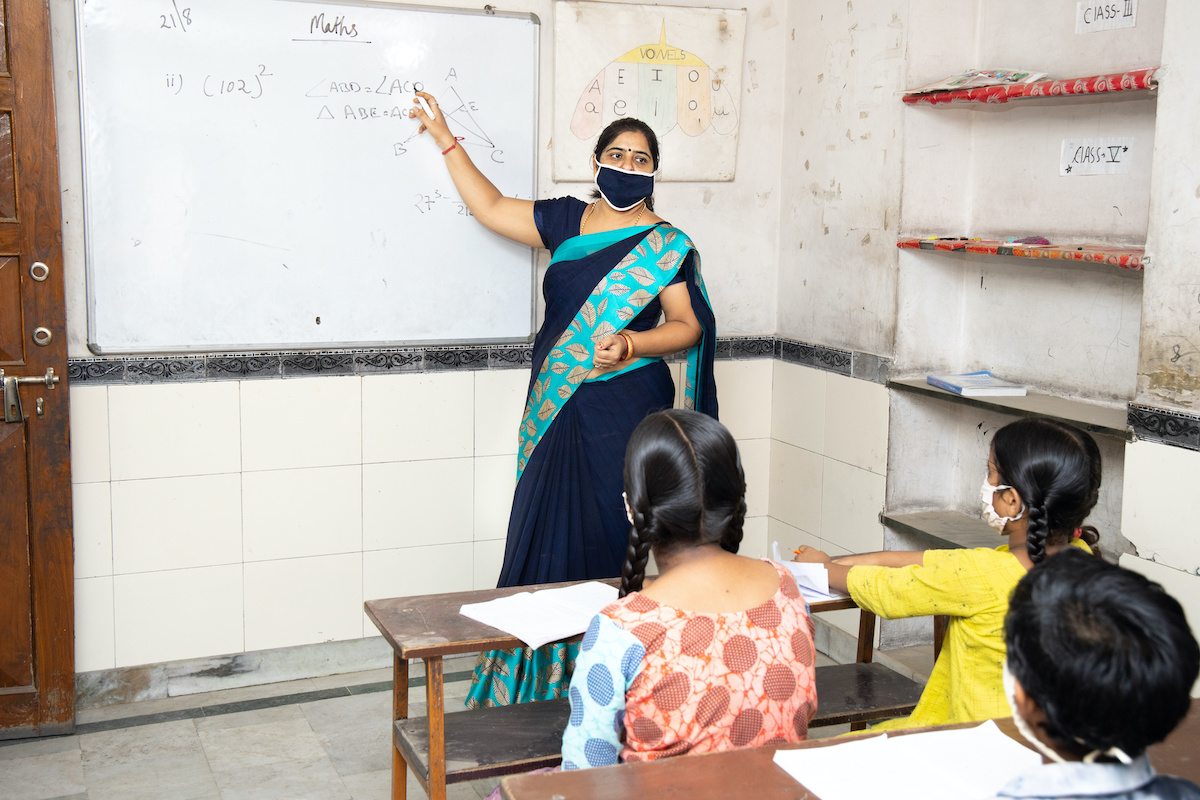
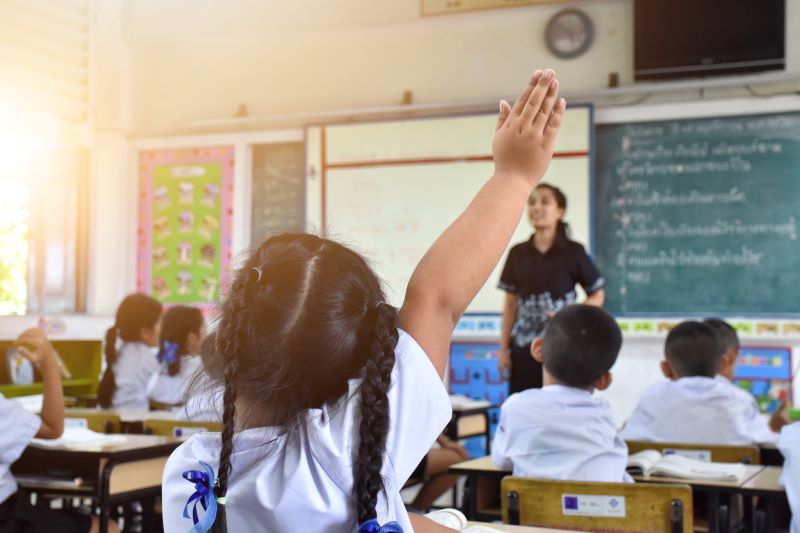
CGD’s education program focuses on broad welfare goals and seeks to understand the role education can play in addressing inequity. Despite the tremendous progress that has been made in getting girls and boys into school, education has not yet fulfilled its promise of being the great societal equalizer. Gender inequality remains acute and deeply rooted in the economic, political and social spheres in developing countries. Intergenerational mobility is declining, not increasing. Poor children get educated in bad schools where they do not acquire basic numeracy and literacy skills while rich children attend good schools.
Our research examines the mechanisms through which education can give children equal life opportunities and build the human capital that nations need to prosper.
Featured Work


Get Education Updates
More on Education
Contact
Sharmili Satkunam
ssatkunam@cgdev.org
Related Experts
Related Working Groups
Related Education Content

Pages
While I think it's silly to argue we spend too much on girls' education, perhaps it's reasonable to ask whether a concern with gender equality and a cold hard look at recent data would lead anyone to put their marginal dollar into girls' schooling over, say, campaigning for gender quotas (which seem to work well in Indian politics, at least) or even subsidized childcare (which has boosted female labor force participation in Latin America).

Education Links is a periodic summary of relevant links from RISE (Research on Improving Systems of Education), CGD’s initiative on education reform in the developing world.
We model household investments in young children when parents and older siblings share caregiving responsibilities and when investments by older siblings contribute to young children’s human capital accumulation. Having an older sister rather than an older brother improves younger siblings’ vocabulary and fine motor skills by more than 0.1 standard deviations.
For the first time, the elderly, urban populations, and women of reduced fertility outnumber their counterparts. Joel E. Cohen discusses how changing demographic trends will require a heavier focus on primary and secondary education, reproductive health and demographically sensitive urban planning.


Commentary Menu