You are here

Education
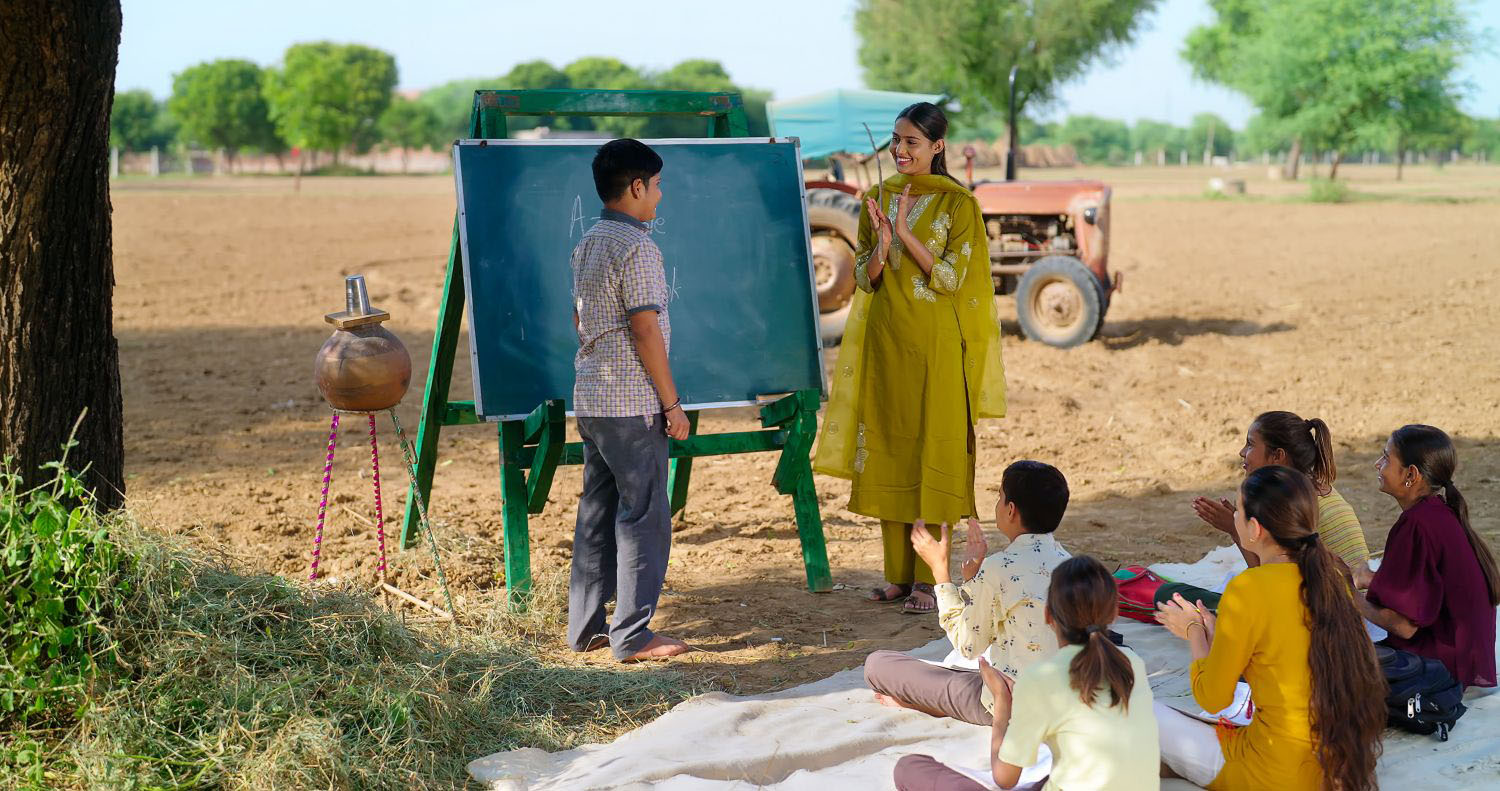
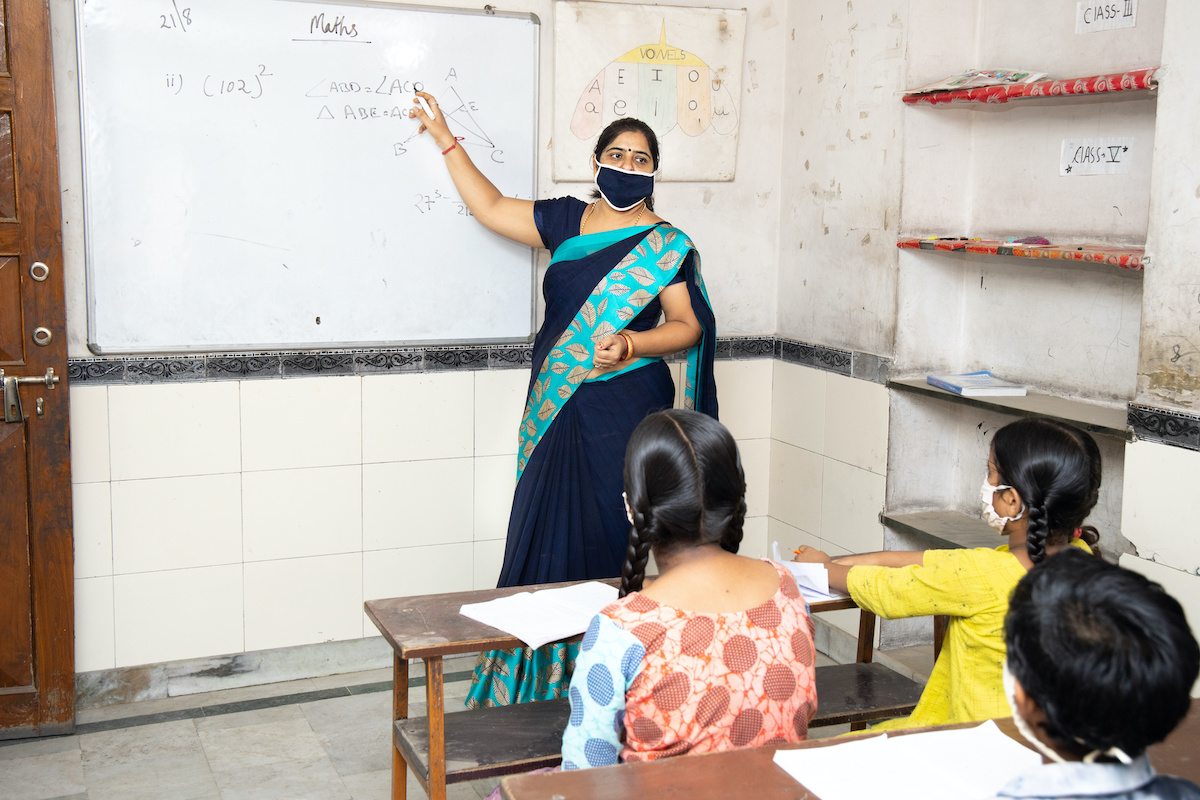
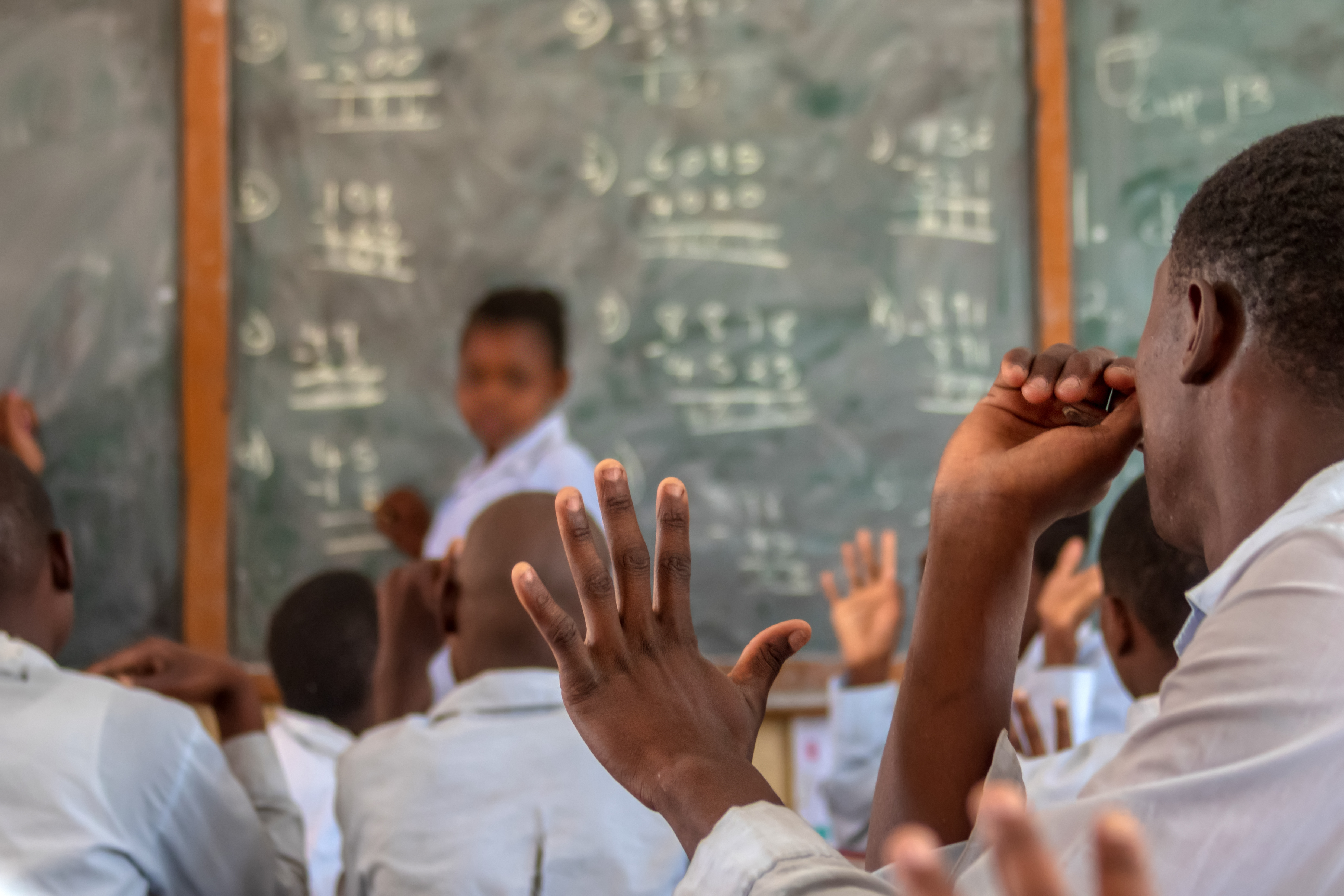
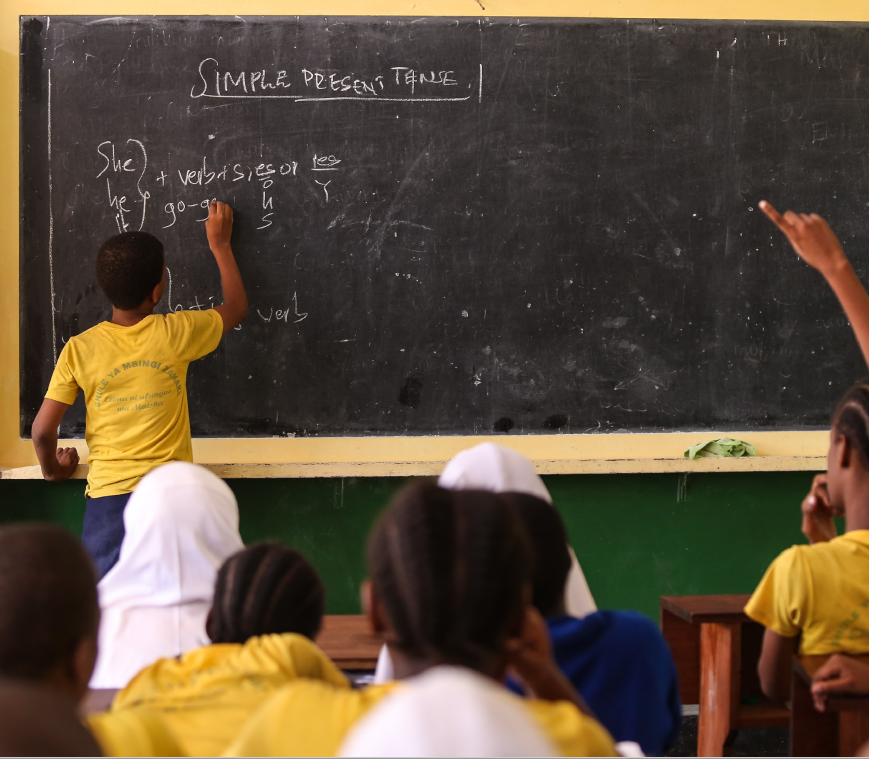
CGD’s education program focuses on broad welfare goals and seeks to understand the role education can play in addressing inequity. Despite the tremendous progress that has been made in getting girls and boys into school, education has not yet fulfilled its promise of being the great societal equalizer. Gender inequality remains acute and deeply rooted in the economic, political and social spheres in developing countries. Intergenerational mobility is declining, not increasing. Poor children get educated in bad schools where they do not acquire basic numeracy and literacy skills while rich children attend good schools.
Our research examines the mechanisms through which education can give children equal life opportunities and build the human capital that nations need to prosper.
Featured Work


Get Education Updates
More on Education
Contact
Sharmili Satkunam
ssatkunam@cgdev.org
Related Experts
Related Working Groups
Related Education Content


Pages
Charles Kenny attempts to dispel development pessimists' fears in this essay summarizing his latest book Getting Better: Why Global Development Is Succeeding - And How We can Improve the World Even More (Basic Books). According to Charles, better health, education, greater access to civil and political rights, infrastructure and even beer, are all signs historic progress being made in the developing world.
2015 was a big year for development – and for the CGD Podcast.
Children in developing countries get lots of schooling, but they are not necessarily learning. To address this, countries need new forms of feedback, experimentation, and financing that conventional aid is ill-suited to provide. This paper reviews experiences with an unconventional aid modality—paying for results—as it could apply to learning. The paper explains how such a program could be implemented and accelerate institutional changes needed to improve student learning.


Commentary Menu