You are here

Education
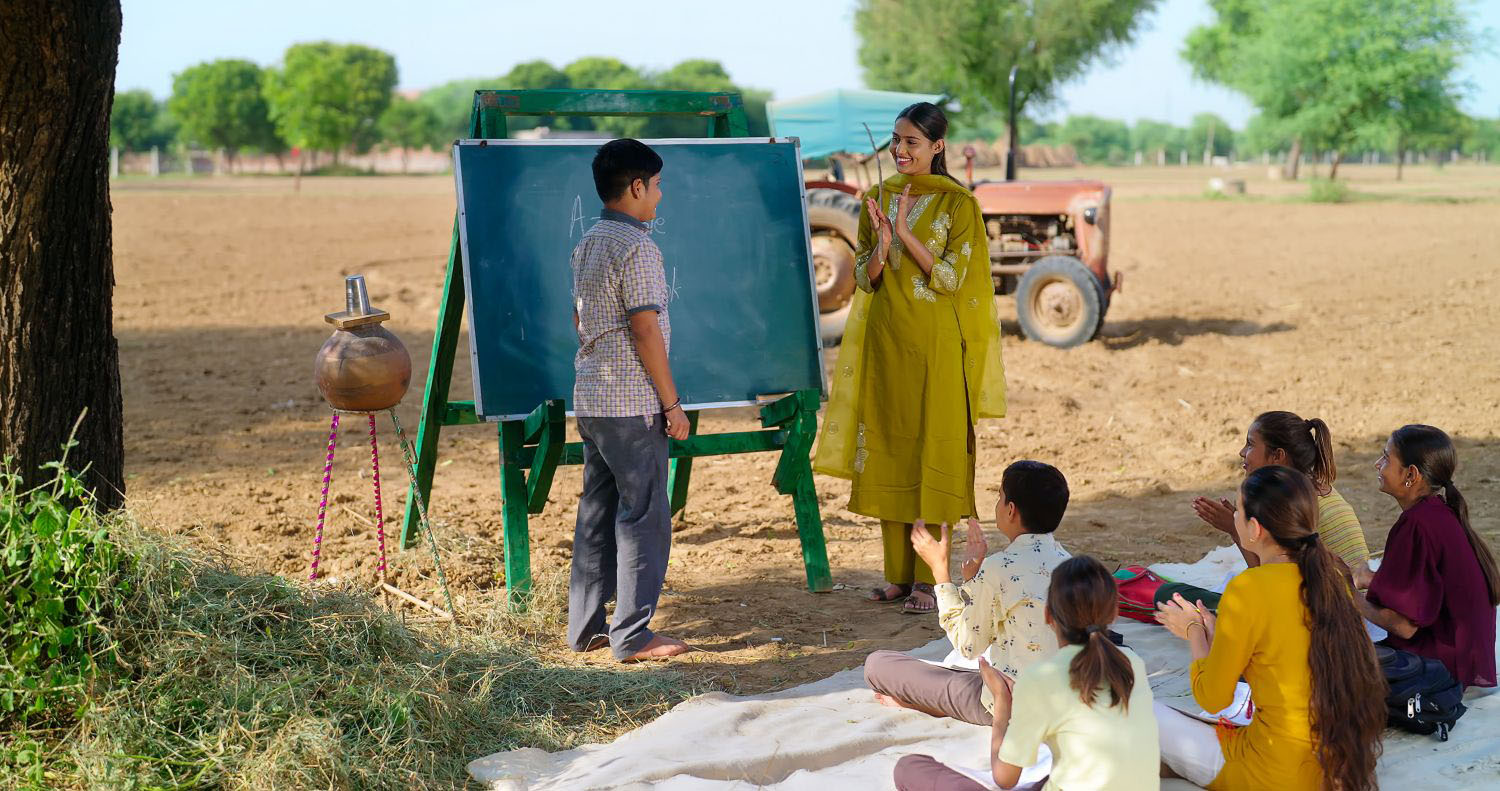
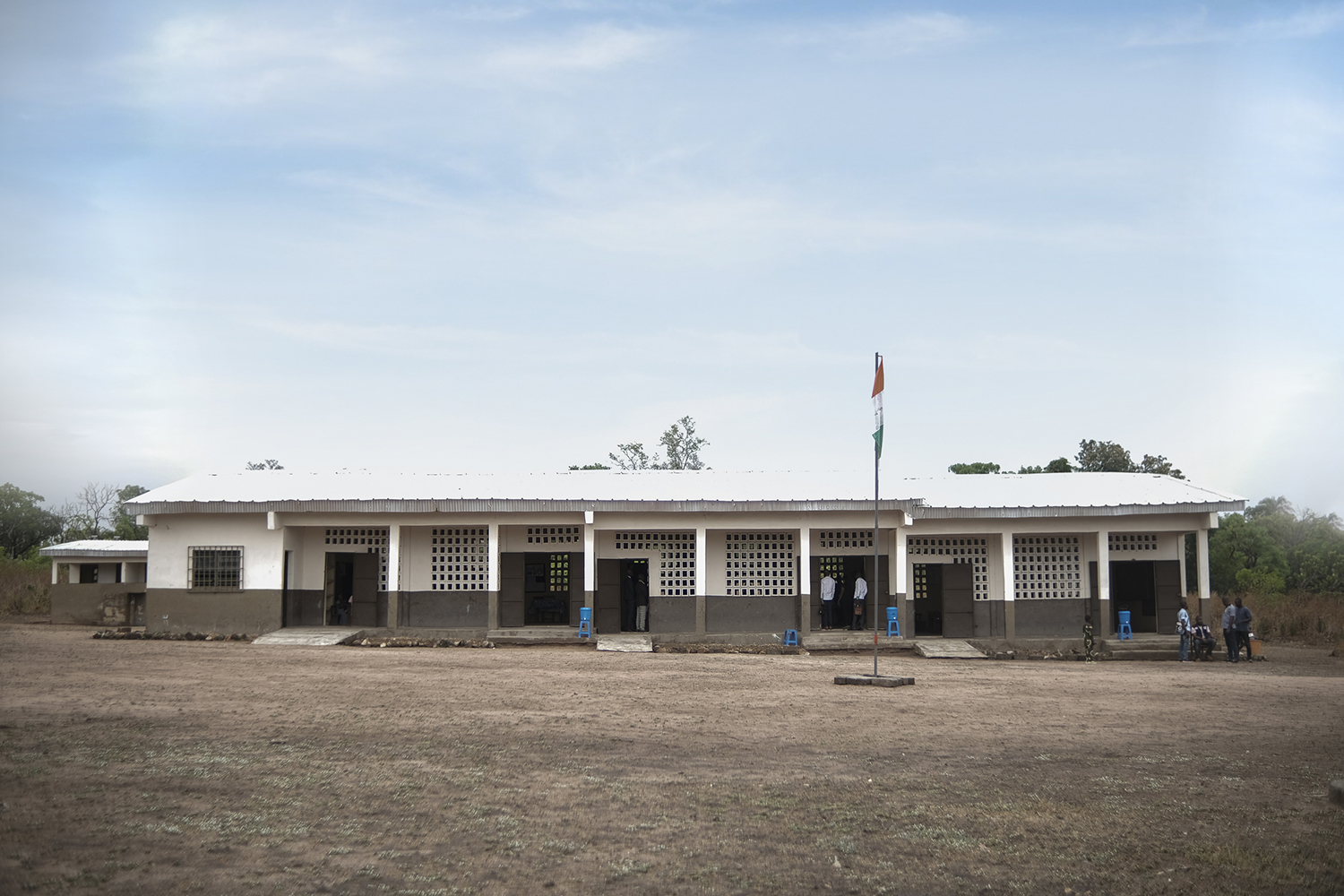
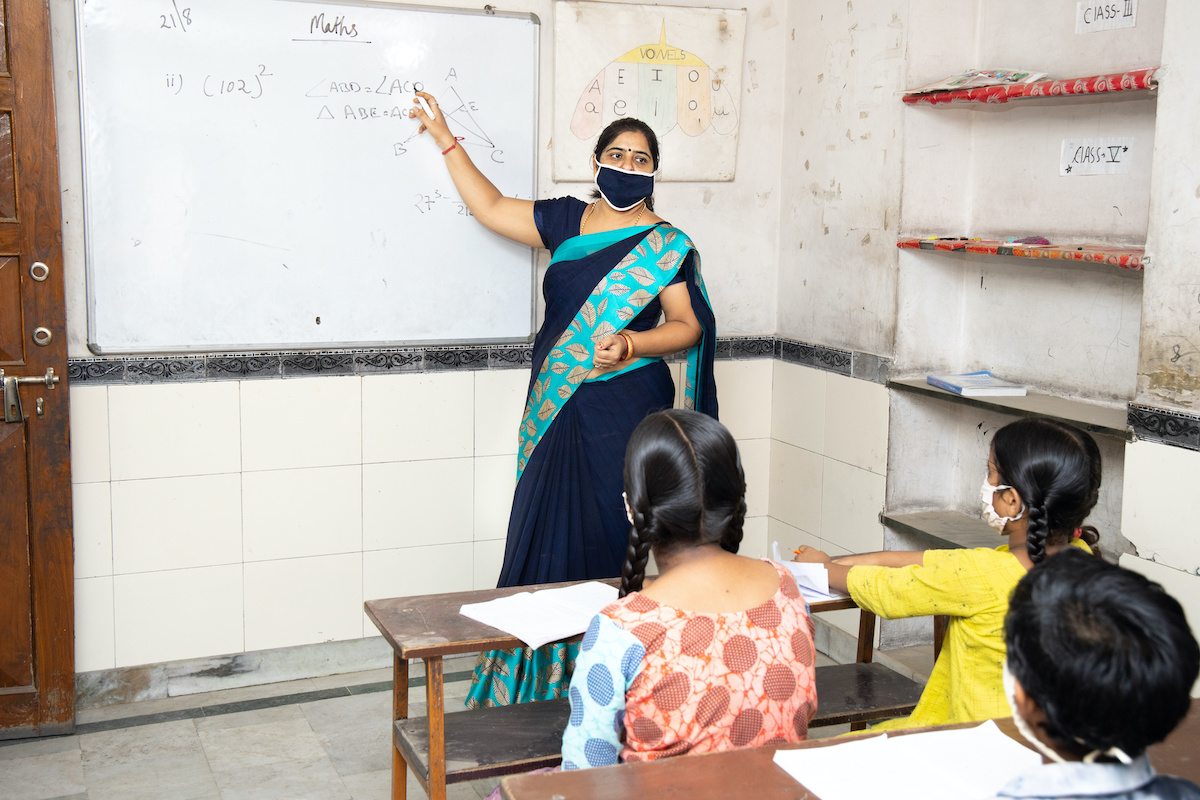
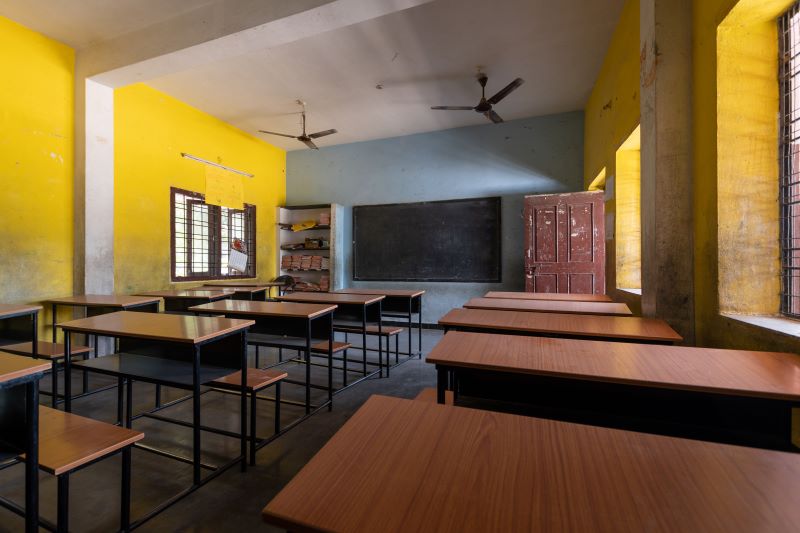
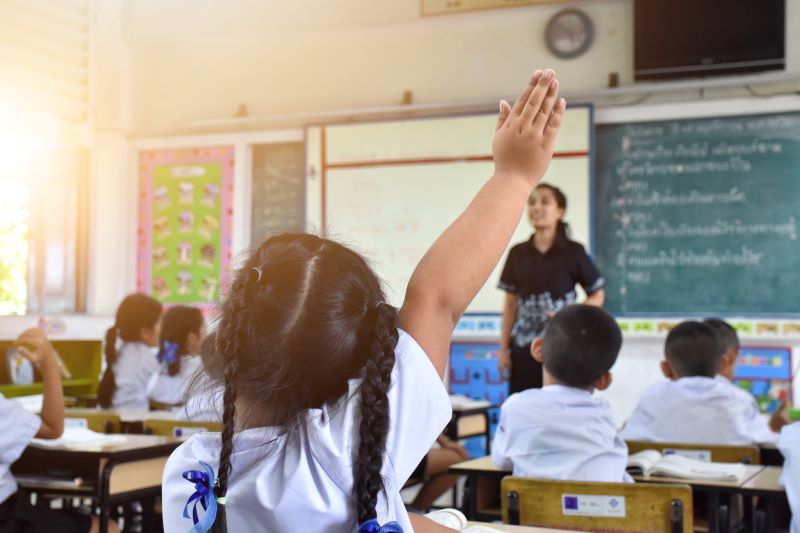
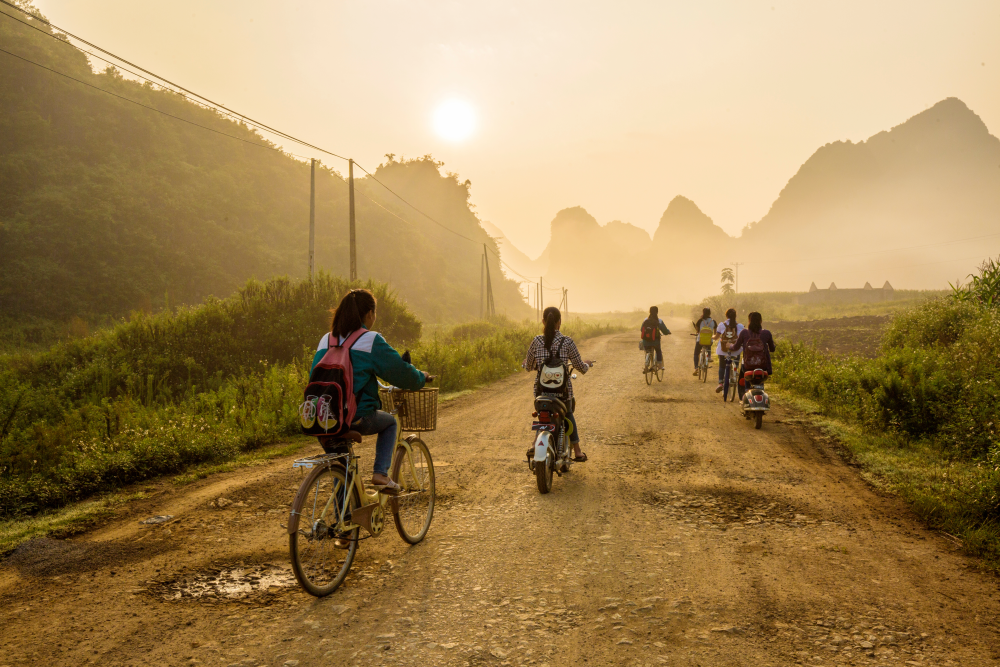
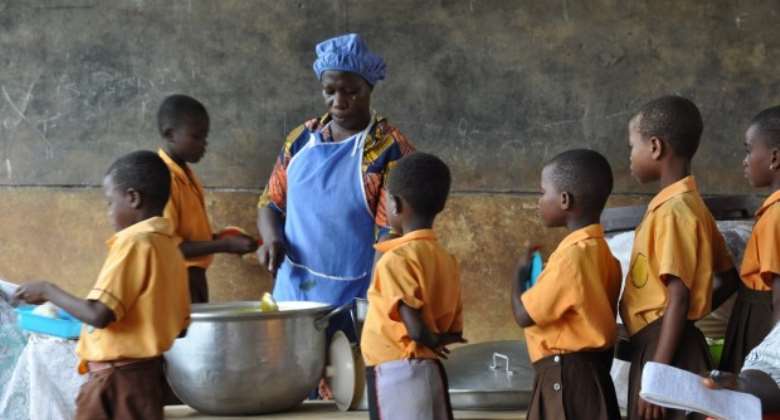
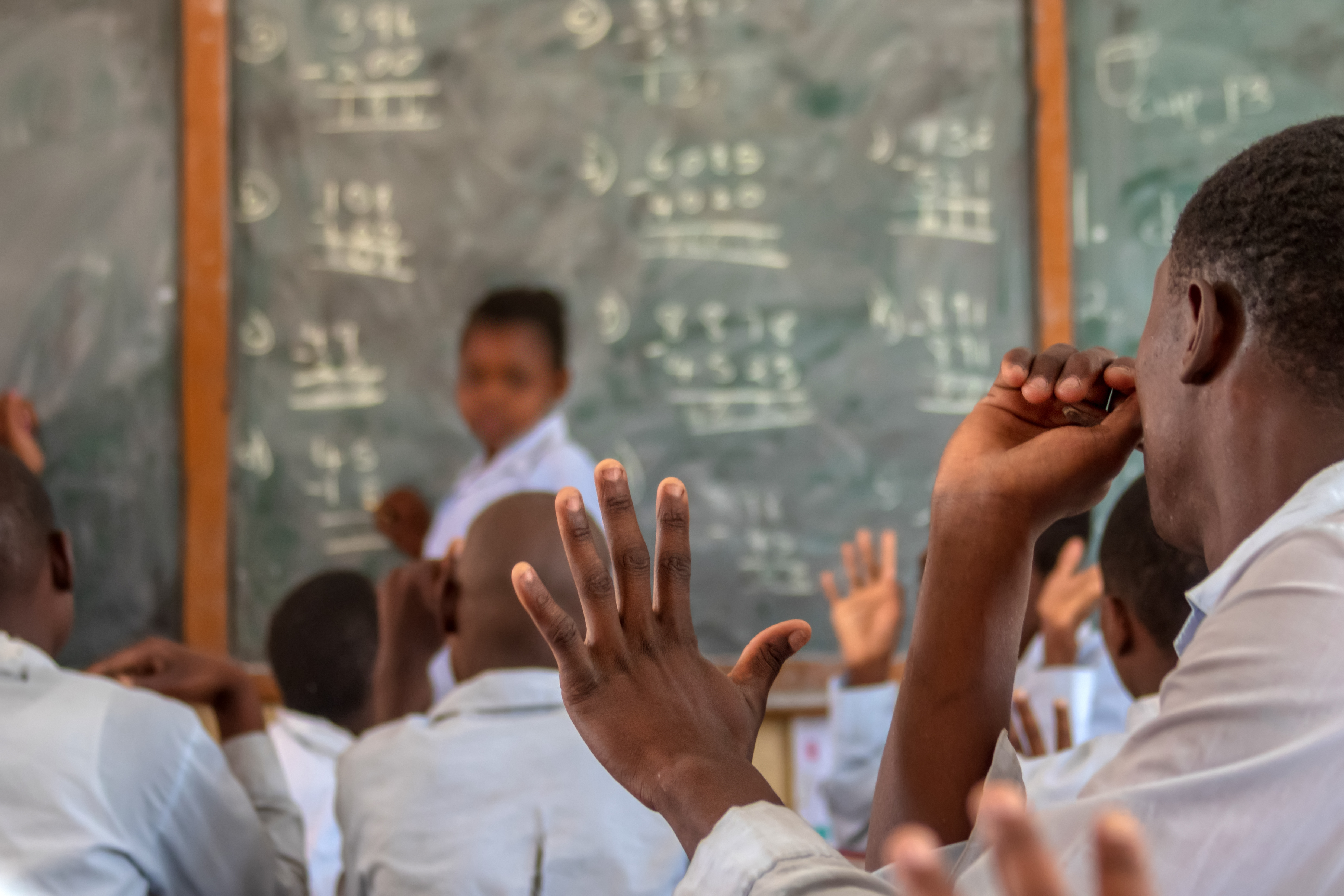
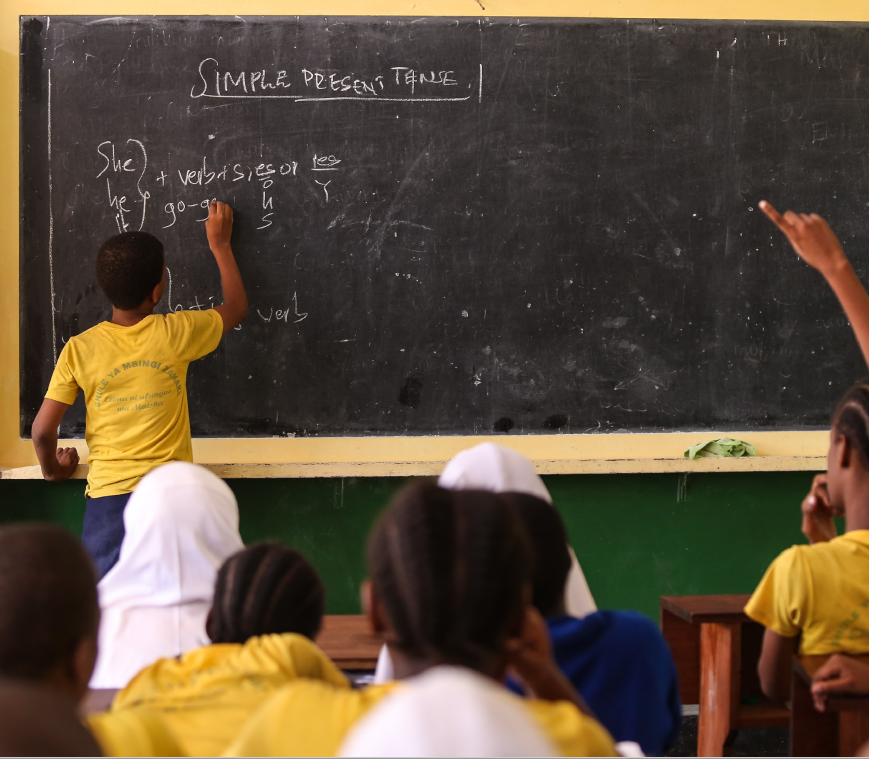
CGD’s education program focuses on broad welfare goals and seeks to understand the role education can play in addressing inequity. Despite the tremendous progress that has been made in getting girls and boys into school, education has not yet fulfilled its promise of being the great societal equalizer. Gender inequality remains acute and deeply rooted in the economic, political and social spheres in developing countries. Intergenerational mobility is declining, not increasing. Poor children get educated in bad schools where they do not acquire basic numeracy and literacy skills while rich children attend good schools.
Our research examines the mechanisms through which education can give children equal life opportunities and build the human capital that nations need to prosper.
Featured Work


Get Education Updates
More on Education
Contact
Sharmili Satkunam
ssatkunam@cgdev.org
Related Experts
Related Working Groups
Related Education Content


Domestic violence — overwhelmingly against women — is by far the most common form of violence in the world. About 350 million women across the planet have suffered severe physical violence from their intimate partner.
Back in the 1960s and 70s, the standard model of how to make poor countries rich was to insert capital, whether for investments in infrastructure or for human capital investments like education and health.
It’s no surprise that rich countries outperform poor countries on standardized tests. But if you compare kids with similar household wealth across countries, that gap disappears.
Over 755 million adults worldwide are unable to read and write in any language. Yet the widespread introduction of information and communication technology offers new opportunities to provide standardized distance education to underserved illiterate populations in both developed and developing countries.
This past weekend, Secretary Kerry delivered what was billed as a major address on US-Africa policy and a scene setter for President Obama’s Africa Summit in August. Kerry traveled throughout the region over the last week, making stops in Ethiopia, South Sudan, Democratic Republic of Congo, and Angola. As the list of countries suggest, the trip focused heavily on security hotspots. However, the so-called ‘Commitment to Africa’ speech was his big opportunity to reach beyond current crises and outline his broader vision for US engagement in the region. So, did he hit the right notes?
Pages
Several recent articles about President Trump’s executive order on immigration from seven Muslim-majority countries have looked at how it affects thousands of international students all across the US. At stake here is not only their ability to benefit from a US education, but also how the US benefits from having students from those countries at American institutions, in terms of revenue, future productivity, and jobs. My own research, using both administrative and survey data, shows that the costs of this ban to the US will include costs to public universities and lost global talent from abroad. The US is the largest "exporter" of higher education services, and the ban could hit universities with a revenue loss of around $200 million a year, with larger impacts on the local economies around campuses.
Malala Yousafzai’s story of overcoming the Taliban’s attempt to silence her is inspirational. Her s


Back in the 1960s and 70s, the standard model of how to make poor countries rich was to insert capital, whether for investments in infrastructure or for human capital investments like education and health.
Did we reach the 2015 global education goals? The UNESCO Education for All Global Monitoring Report just launched their final 2015 report (complete with slick data viz and video). There was acceleration in progress after 2000, but still some countries have a way to go, and we still don’t know enough about what kids are actually learning.

Commentary Menu