You are here

Education
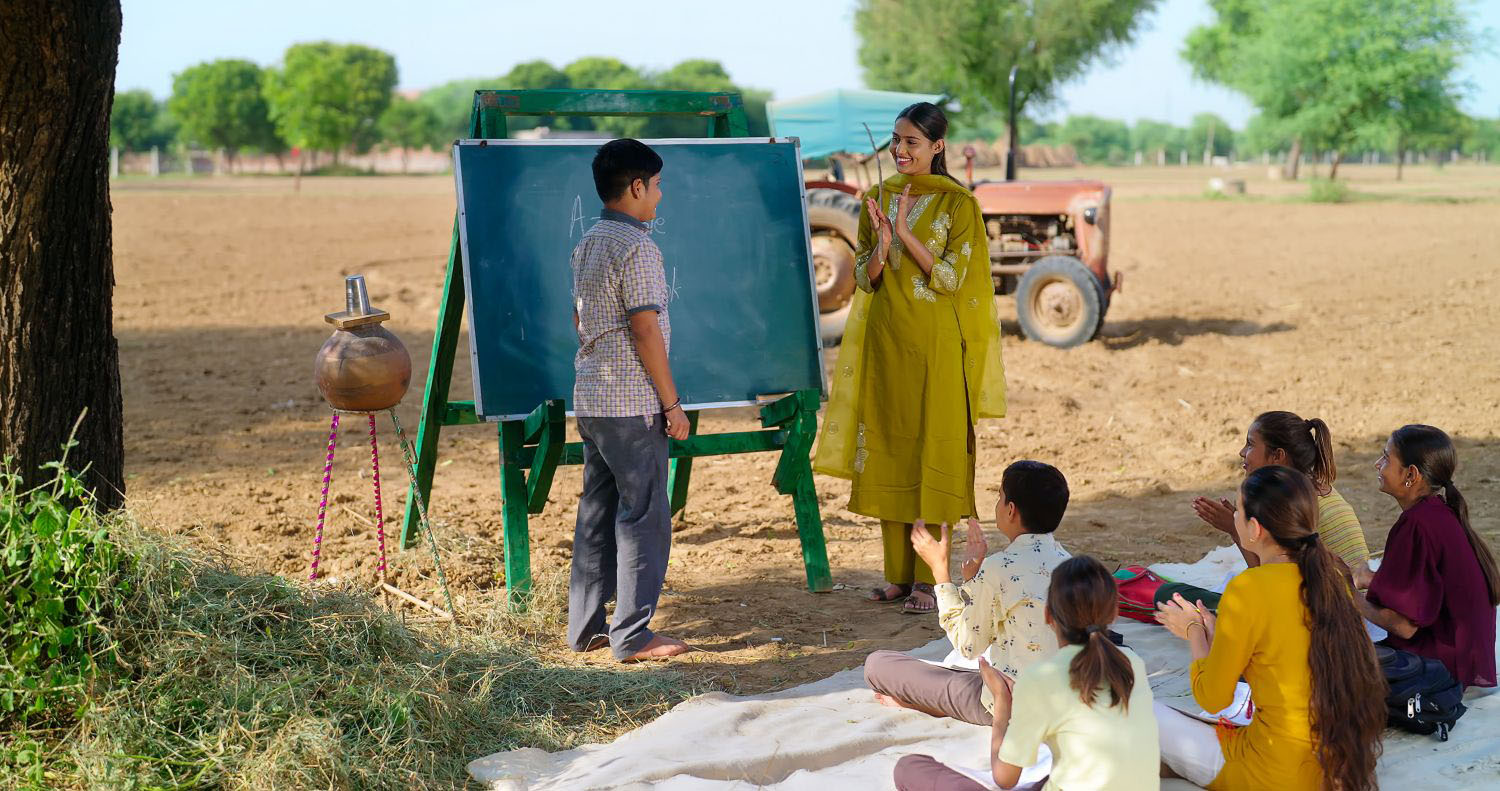
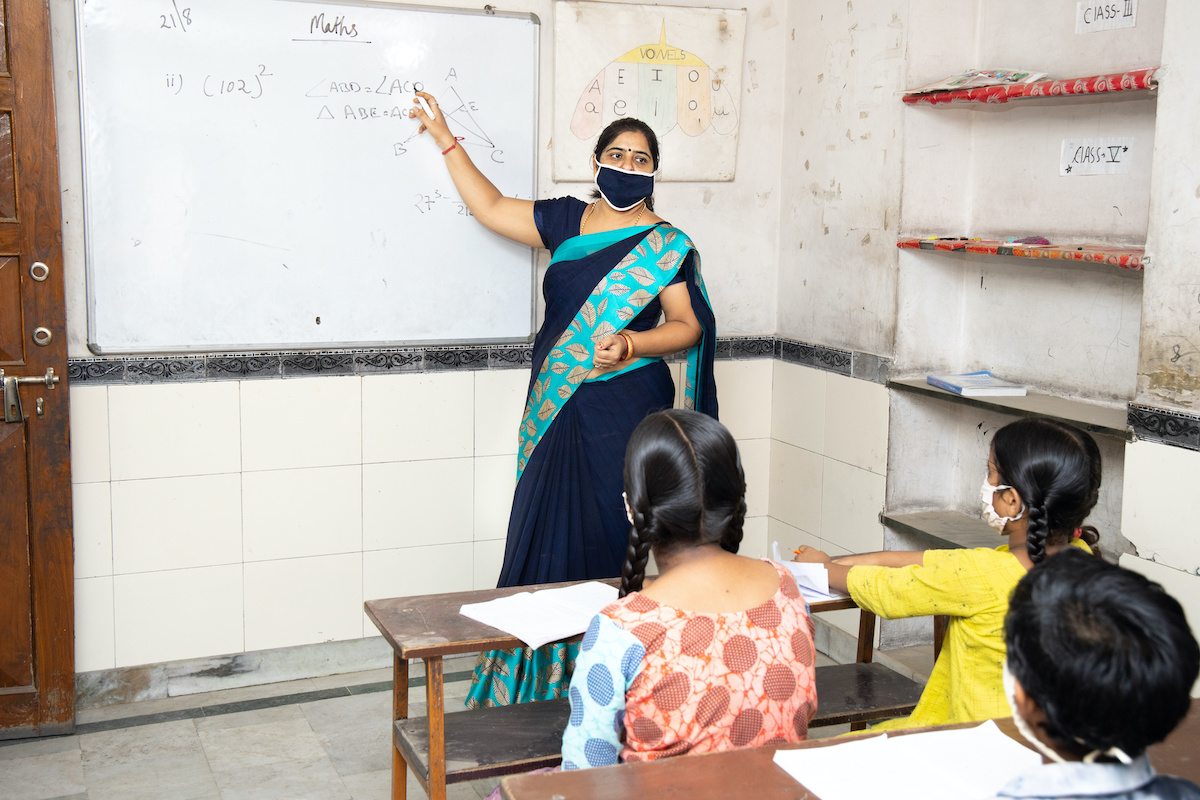
CGD’s education program focuses on broad welfare goals and seeks to understand the role education can play in addressing inequity. Despite the tremendous progress that has been made in getting girls and boys into school, education has not yet fulfilled its promise of being the great societal equalizer. Gender inequality remains acute and deeply rooted in the economic, political and social spheres in developing countries. Intergenerational mobility is declining, not increasing. Poor children get educated in bad schools where they do not acquire basic numeracy and literacy skills while rich children attend good schools.
Our research examines the mechanisms through which education can give children equal life opportunities and build the human capital that nations need to prosper.
Featured Work


Get Education Updates
More on Education
Contact
Sharmili Satkunam
ssatkunam@cgdev.org
Related Experts
Related Working Groups
Related Education Content
The next few posts on education are a bit unusual, in a good way I hope, but unusual entrants into the blogosphere.&n
Many learning assessments only evaluate children of a given age (e.g.
This present paper, by Mohammad Niaz Asadullah and Nazmul Chaudhury therefore makes an important contribution to the literature in a key area of CGD concern. Using a representative sample of 2400 households producing data on 3323 children aged 10 to 17 they assess ability to answer simple arithmetic question (either oral or written).
My guest on this week’s Global Prosperity Wonkcast is CGD senior fellow Lant Pritchett, whose new book, The Rebirth of Education: Schooling Ain’t Learning, was released last month and is now available on Kindle. The book addresses a fundamental problem in education: despite great progress to meet the 2015 Millennium Development Goal target for primary school completion, students the world over are leaving school having learned very little. “They need to be in school and learn,” Pritchett says. “If you create systems where the only measures of schooling are kids in seats, you’re going to get measures of time served rather than learning gained.”
Pages

Three cheers for the DHS! However, the value of the DHS literacy data is significantly undermined by a small, easily fixable flaw in the way the survey is administered.
Treating poverty-stricken AIDS patients with antiretrovirals (ARVs) extends their lives and enables them to retun to work. It seems reasonable to expect that their children would benefit, too. Now there is research to support this idea. CGD post-doctoral fellow Harsha Thirumurthy and his co-authors use household surveys from western Kenya to show that children of adults who receive ARVs experience large and rapid improvements in schooling and nutritional outcomes. Specifically, children of treated adults work significantly less and spend more time in school; and very young children are better nourished.
3.5 million children around the world are refugees, many with little or no access to schooling. That means we won’t come anywhere near our targets for the fourth Sustainable Development Goal—quality education for all—unless we can address the refugee crisis. Save the Children International president Helle Thorning-Schmidt joins the CGD podcast to discuss how donor countries can help.
"No Child Left Behind" could move from a national program to a global mission if several current policies and initiatives converge: the Education for All Fast Track Initiative, the U.S. Millennium Challenge Account, and the renewed declarations of the Bush administration, supported by U.S. public opinion.


Commentary Menu