You are here

Education
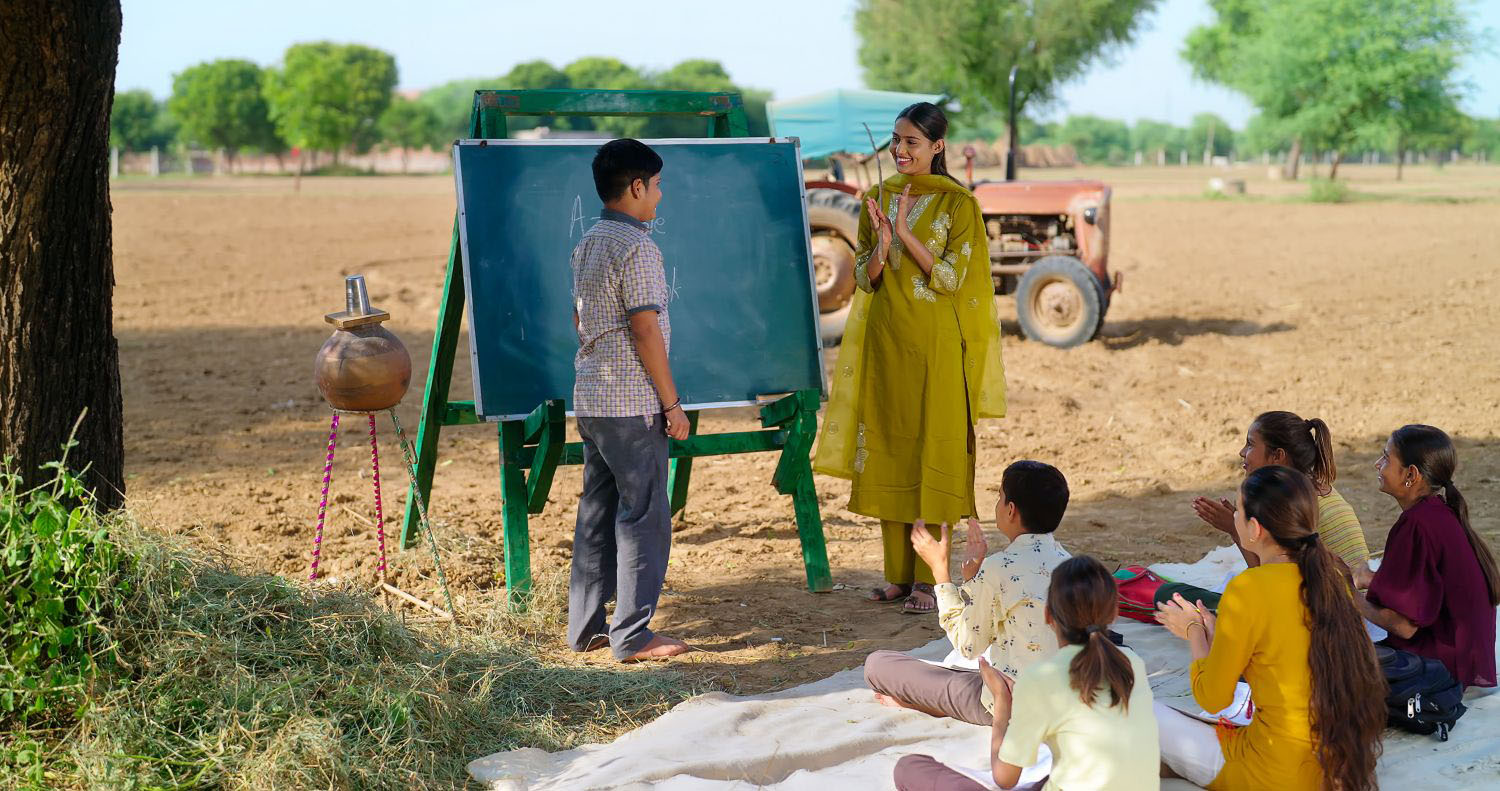
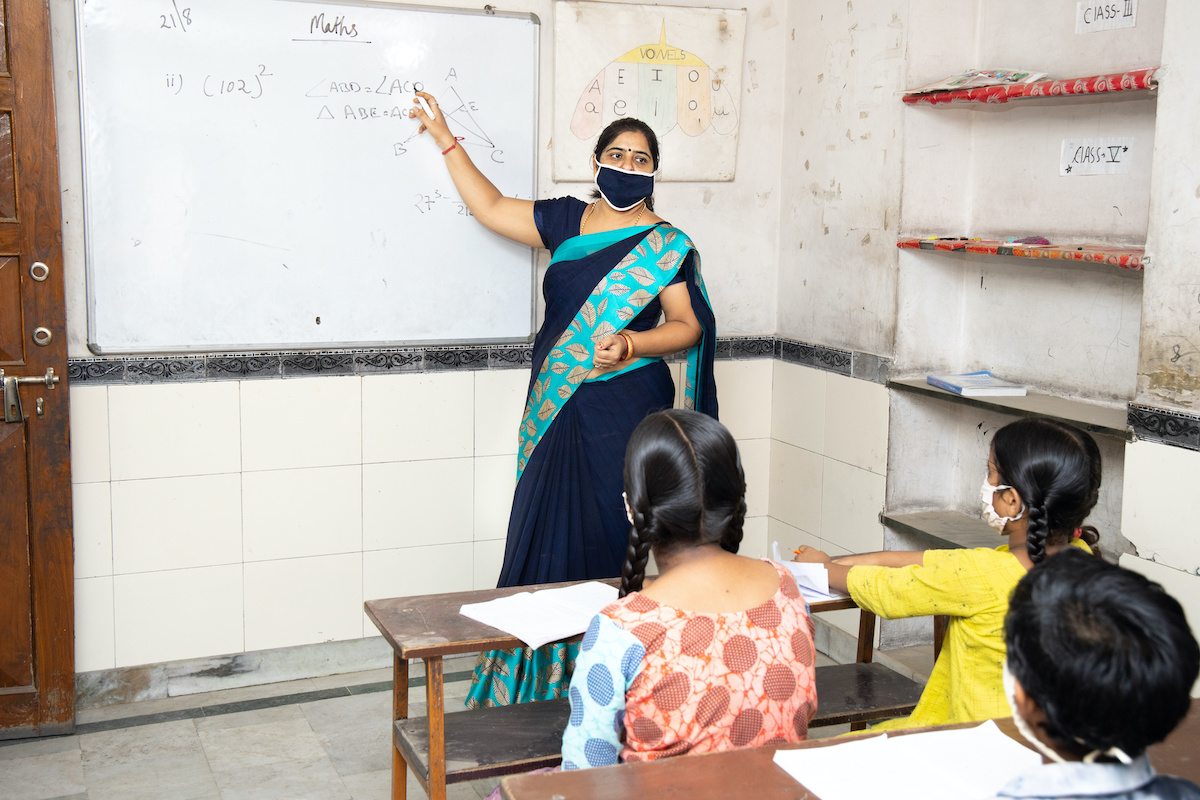
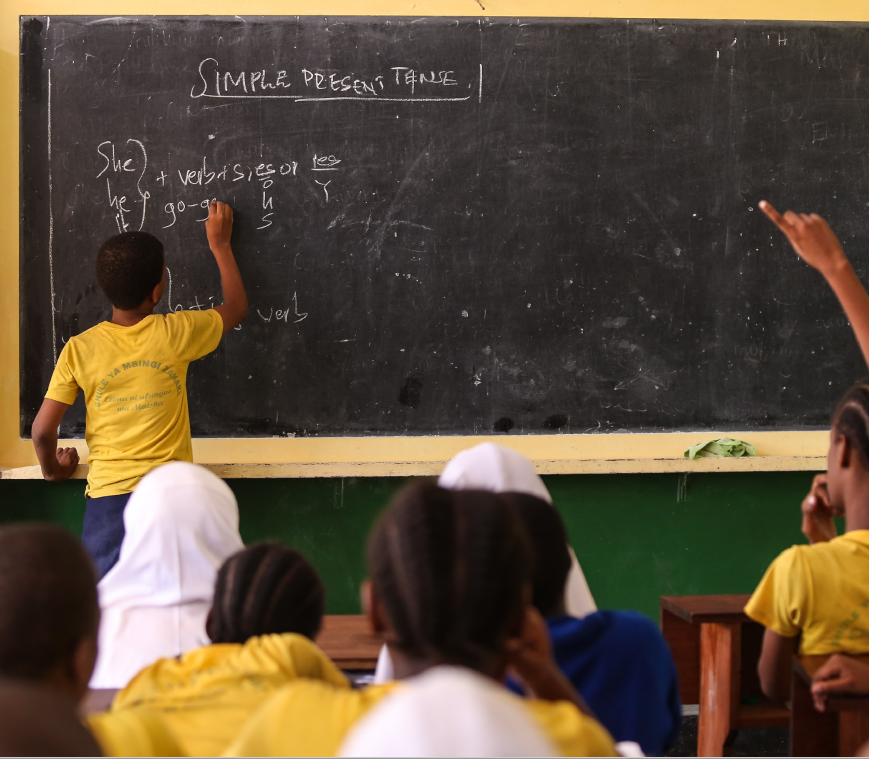
CGD’s education program focuses on broad welfare goals and seeks to understand the role education can play in addressing inequity. Despite the tremendous progress that has been made in getting girls and boys into school, education has not yet fulfilled its promise of being the great societal equalizer. Gender inequality remains acute and deeply rooted in the economic, political and social spheres in developing countries. Intergenerational mobility is declining, not increasing. Poor children get educated in bad schools where they do not acquire basic numeracy and literacy skills while rich children attend good schools.
Our research examines the mechanisms through which education can give children equal life opportunities and build the human capital that nations need to prosper.
Featured Work


Get Education Updates
More on Education
Contact
Sharmili Satkunam
ssatkunam@cgdev.org
Related Experts
Related Working Groups
Related Education Content
Is it possible to alter national governments and global institutions so that decision makers can focus on the vitally important longer term challenges, while still dealing with the urgent considerations which crowd their daily agenda? That’s the important and difficult question set before the The Oxford Martin Commission for Future Generations. My guest on this week’s Wonkcast is Ian Goldin, director of the Oxford Martin School and the driving force behind the commission.
Most of the world’s children now live in countries on track to meet the Millennium Development Goal of universal primary completion by 2015. Countries have indeed made great progress getting kids in school, but behind that progress is a problem: many children are hardly learning anything in school. Some measures of learning are just dismal. In India, for example, only about one-third of children in grade 5 can perform long division. Nearly one-half cannot read a grade 2 text, and one in five cannot follow a grade 1 text.
What is to be done? Broadly speaking, schools, governments, and donors need to focus more on actual learning goals, not just filling seats. This report of the CGD Study Group on Measuring Learning Outcomes shows how to make some headway in that direction. Governments need to develop comparable, public learning assessments. Civil society should engage at the grassroots to demand accountability. Donors can play a secondary role by pegging funding to results or experimenting with different strategies. And the UN and other multilaterals should set global standards against which national efforts can be measured. One option is to establish a global learning goal as part of the post-2015 development agenda.
In 2010, World Bank statistics report that Guinea-Bissau had a youth literacy rate of 72%. That means seven in
We investigate heterogeneity across beneficiaries and implementers—in a randomized trial of contract teachers in Kenyan schools. The data show a stark contrast in success between the government and NGO arm that can be traced back to implementation constraints and political economy forces put in motion as the program went to scale.
The Millennium Development Goal of universal primary-school completion has been successful.
Pages
Limited resources mean that policymakers must make tough choices about which investments to make to improve education. Although hundreds of education interventions have been rigorously evaluated, making comparisons between the results is challenging. This paper proposes using learning-adjusted years of schooling (LAYS)—which combines access and quality and compares gains to an absolute, cross-country standard—as a new metric for reporting gains from education interventions.
Earlier this month the U.S.
What do parents and governments actually expect from schools? Lee Crawfurd looks at a RISE working paper that focuses on the collective understandings of education.


Commentary Menu