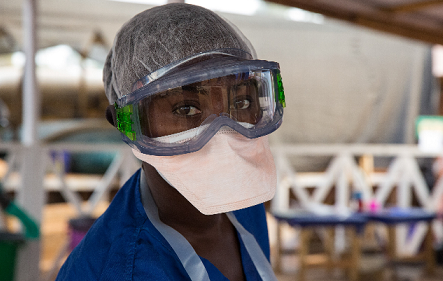
We are, once again, in the midst of an Ebola outbreak. It is the fastest-growing Ebola outbreak on record and has killed more than 4,600 people in the Democratic Republic of the Congo. The outbreak has also spread across borders, with at least nine confirmed cases in Kenya and one recently confirmed in Nigeria.
This outbreak has been particularly hard to contain because it is caused by the Bundibugyo virus, for which there is currently no approved vaccine. And while lessons from previous outbreaks have helped speed the response, the closure of USAID and cuts to other international funding have reduced the resources available to contain it.
On this episode of the CGD Podcast, I’m joined by Professor Charlotte Watts, Executive Director of Solutions at Wellcome and former Chief Scientific Adviser to the UK’s aid agency, and Jeremy Konyndyk, President of Refugees International and former director of USAID’s Office of US Foreign Disaster Assistance during the 2014 Ebola outbreak.
Together, we explore how scientific progress since 2014 has strengthened our ability to respond to Ebola, how funding cuts are affecting that progress, and the implications for both today’s response and our preparedness for future outbreaks.