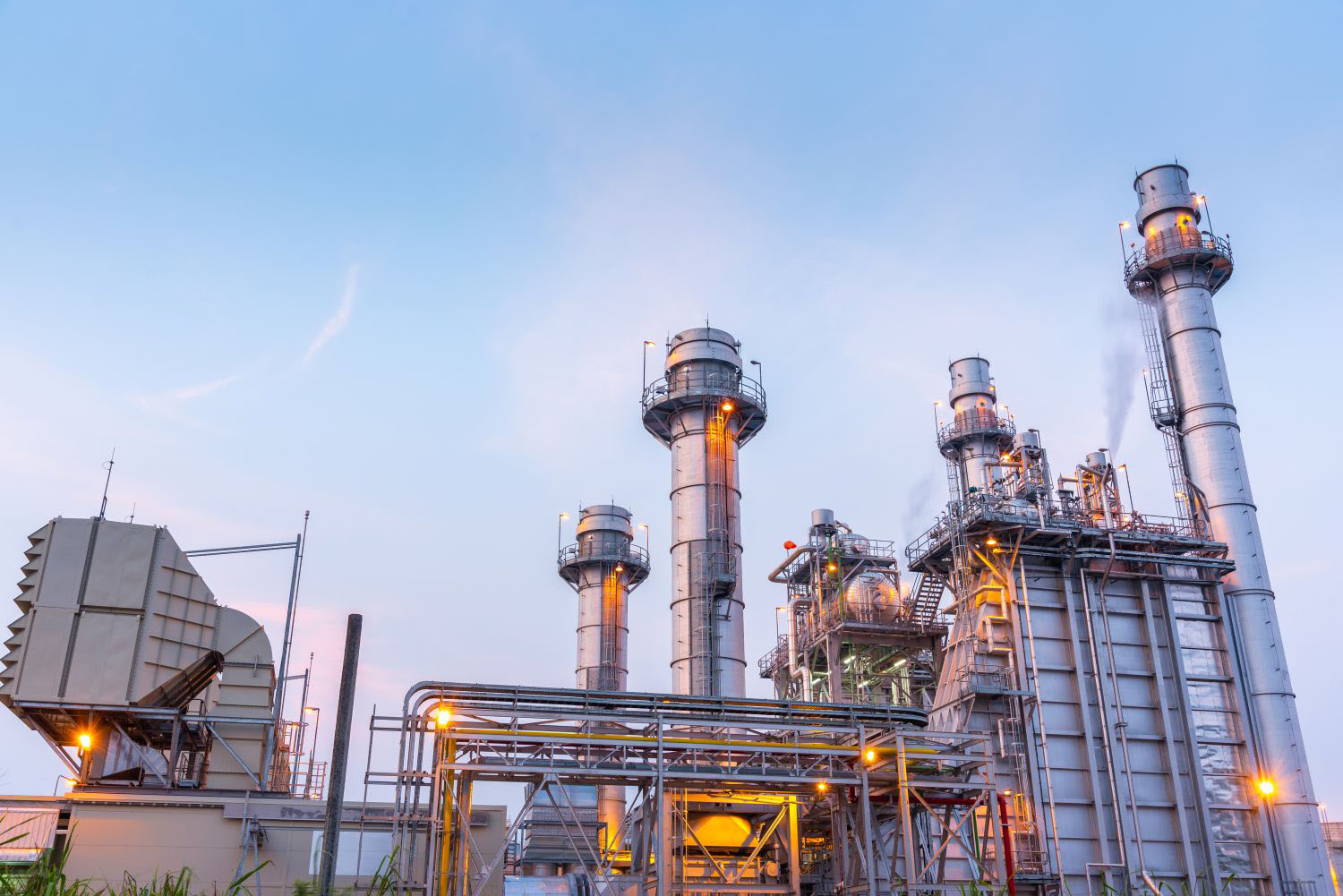
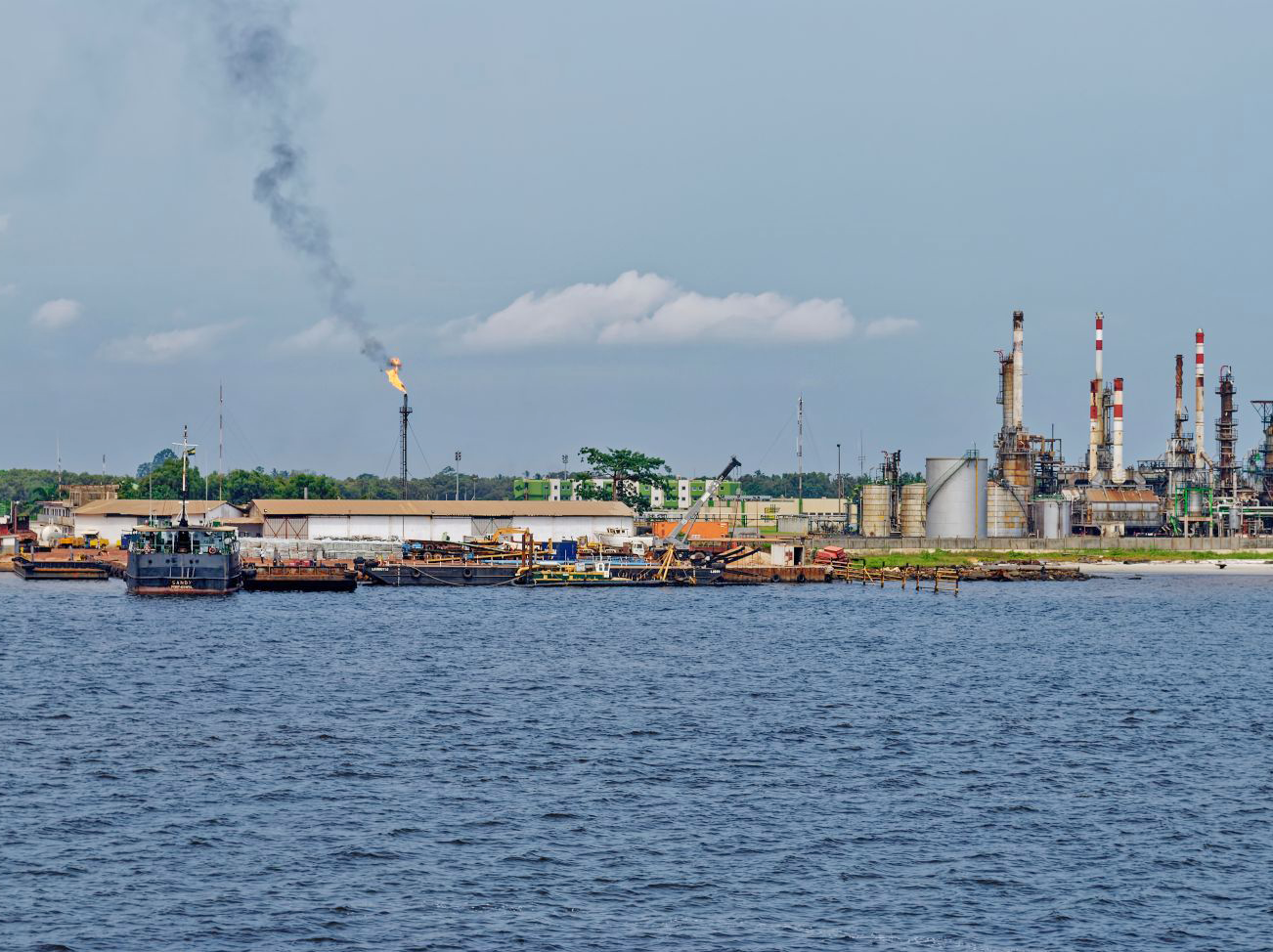
Discussions at COP31 reinforce the view—boosted by the Global Methane Pledge launched at COP26 in 202—that sharply curtailing methane emissions from human activity by 2030 is an urgent priority given its disproportionately large impact on global warming and adverse health outcomes. Gas flaring and venting (the burning or release of natural gas associated with oil and gas production and processing) wastes some 8 percent of global gas production, a loss worth over $100 billion annually. This practice is responsible for roughly one-quarter of methane emissions from human activity, contributing to global warming, and the health consequences and social costs of poor-quality flaring and venting are severe. Nonetheless, this waste and its harmful effects remain largely invisible in global policy discussions. And voluntary initiatives to reduce flaring have not yet delivered on their promise. Why is it so difficult to make progress on mitigating these emissions—an issue with obvious local and global benefits? What policies are needed to encourage better behavior? A CGD-EnergyCC project is shedding light on the scale and value of flaring and its consequences, why it persists, and the opportunity to capture lost value while improving health outcomes.
Nigeria’s costly flaring problem
The case of Nigeria, explored in two new papers (here and here) by Kathryn McPhail and Etienne Romsom (both at EnergyCC), is especially notable, since there is a multibillion-dollar opportunity to increase taxable income while expanding energy access and reducing adverse health consequences. Africa’s largest oil producer and liquefied natural gas (LNG) exporter, Nigeria ranks eighth in the world for gas flaring. In 2024, the value of this wasted flare gas was around $1.6 billion (and more if all were exported at world LNG prices), and together with the value of vented gas, the lost value is equivalent to about one percent of GDP. Earlier progress in reducing flaring from extremely high levels stalled in the past decade, and existing regulatory policies are proving insufficient to stem emissions. Cumulative losses amount to many billions of dollars. Understanding the reasons and highlighting the needed policy response are important for Nigeria and can serve as an example for other oil-producing countries.
A policy paper sets out how emissions reduction can unlock government revenues. By analyzing Nigeria’s oil production, detailed satellite data on flaring, and the policy framework, it documents the scale and value of Nigeria’s flaring, why it persists, and the opportunity to capture the lost value. It identifies gaps in regulation, enforcement, measurement, and transparency. Building on reforms undertaken by the Nigerian government, the paper identifies practical solutions to capture the value of the wasted gas through policy changes, including independently validated measurement of emissions, greater transparency, and gas monetization, as well as fiscal and regulatory measures. It highlights a proposal to introduce a performance-based methane fee and rebate scheme that would incentivize companies to reduce flaring.
The overall picture puts the findings from a companion paper in broader context; using VNF satellite data, the paper documents the continued excess flaring of five super-emitter offshore flares operated by international oil companies and compares this with self-reported data. These five flaring sites combined are estimated to have lost more than $4 billion in potential gas export sales value over their lifetimes due to flaring. Updating a 2023 report, detailed analysis of recent VNF satellite data for these five offshore flares up to June 2026 shows a mixed picture, with some improvement but also evidence of continued excess flaring behavior; three of the five flare sites are still classified as active global super-emitters. The paper highlights the inadequate determination of routine flaring—in principle prohibited—that in practice allows continuous flaring to sustain operations; and it documents a practical method to measure routine flaring when defined as all flaring except for safety reasons. The paper also describes the interrelationships between gas flaring and oil production processes and, with quantitative analysis for each flaring location, shows that existing incentives have not fostered high-quality field operations to minimize flaring and optimize oil reserves. In periods of prolonged high flare intensity, oil production declines faster, potentially compromising ultimate oil recovery. Yet the range of observed outcomes shows that with a stable climate for infrastructure investments—including for gas monetization projects—and with good operational policies, it is possible to reduce gas flaring significantly.
Turning evidence into policy action
Supporting policy action requires that policymakers and other stakeholders fully understand the magnitude of the existing problem and the opportunity for higher revenues and better health. An important element of this work is therefore the stakeholder consultation process. Meetings were held with officials from the Nigerian Federal Ministry of Finance at the start and end of the project. The ministry valued the initial findings, requested further analysis, and helped provide focus on implementation requirements for the methane fee and rebate scheme. IMF staff who develop and provide fiscal policy advice for the government were consulted. International oil and gas companies responsible for the emissions received draft papers for their comment. The Natural Resource Governance Institute, working with the Nigeria Extractive Industries Transparency Initiative on mandatory corporate reporting, incorporated project findings into its Emissions Monitoring and Accountability Tool (EMAT).
This work aims to spur policy action to curb emissions. These papers contain further valuable evidence of the costly and persistent failures of governance and enforcement, and propose practical solutions that can help Nigeria and, by example, many other countries. A next step would be to develop a detailed government revenue model for flare and vent gas monetization options, potentially with IMF support, and in consultation with government, companies, and other stakeholders.
The work on Nigeria is part of a broader CGD-EnergyCC project examining the case for fiscal and regulatory measures to reduce gas flaring and venting in oil- and gas-producing countries. An earlier literature review synthesized the evidence on the human health impact of gas flaring, including in Nigeria. Two related blogs—COP30: Learning from Brazil’s Experience Limiting Gas Flaring and Gas Flaring: A $100 Billion Problem with a Policy Solution—set out the project’s core argument: that eliminating wasteful flaring is not an intractable technical problem but a policy failure, and that well-designed fiscal measures can simultaneously generate government revenue, improve public health, and advance climate commitments.