The World Economic Forum recently released its 2026 Global Gender Gap Report. Sub-Saharan Africa still faces sizeable gender gaps, ranking 6th out of the eight regions included, while the Middle East and North Africa ranked 8th. In the decades since independence, leaders across Africa have invested in gender policies, quotas, inclusion strategies, and legal reforms. Yet inequality persists. Why is this the case? Part of the explanation may be a strong focus on representation, with less attention to understanding how power is organized. Conversations about gender equality often begin with questions like: How do we get more women into leadership? How do we close gaps in access to land, finance, and economic opportunity? How do we make institutions more inclusive?
These questions are important, but they may miss a deeper issue. To explore the potential for African historical insights on gender equality to inform policy change and promote economic transformation in Africa, the African Center for Economic Transformation (ACET) and the CGD jointly convened a roundtable discussion that brought together researchers, practitioners, funders, and civil society leaders for a learning exchange. The convening started by asking a different question: What if African societies already had systems for sharing and distributing power, and recognizing women’s economic impact, long before today’s interventions for gender equality?
The question is not simply historical. Across Africa, inequalities in economic, social, and political power persist despite dedicated effort. The convening therefore asked whether focusing on representation has sometimes overlooked the fundamental question of how power is organized, and whose authority is recognized. This blog post outlines key takeaways from the discussion.
Shared power was once a reality in Africa, but there wasn’t a universal African model
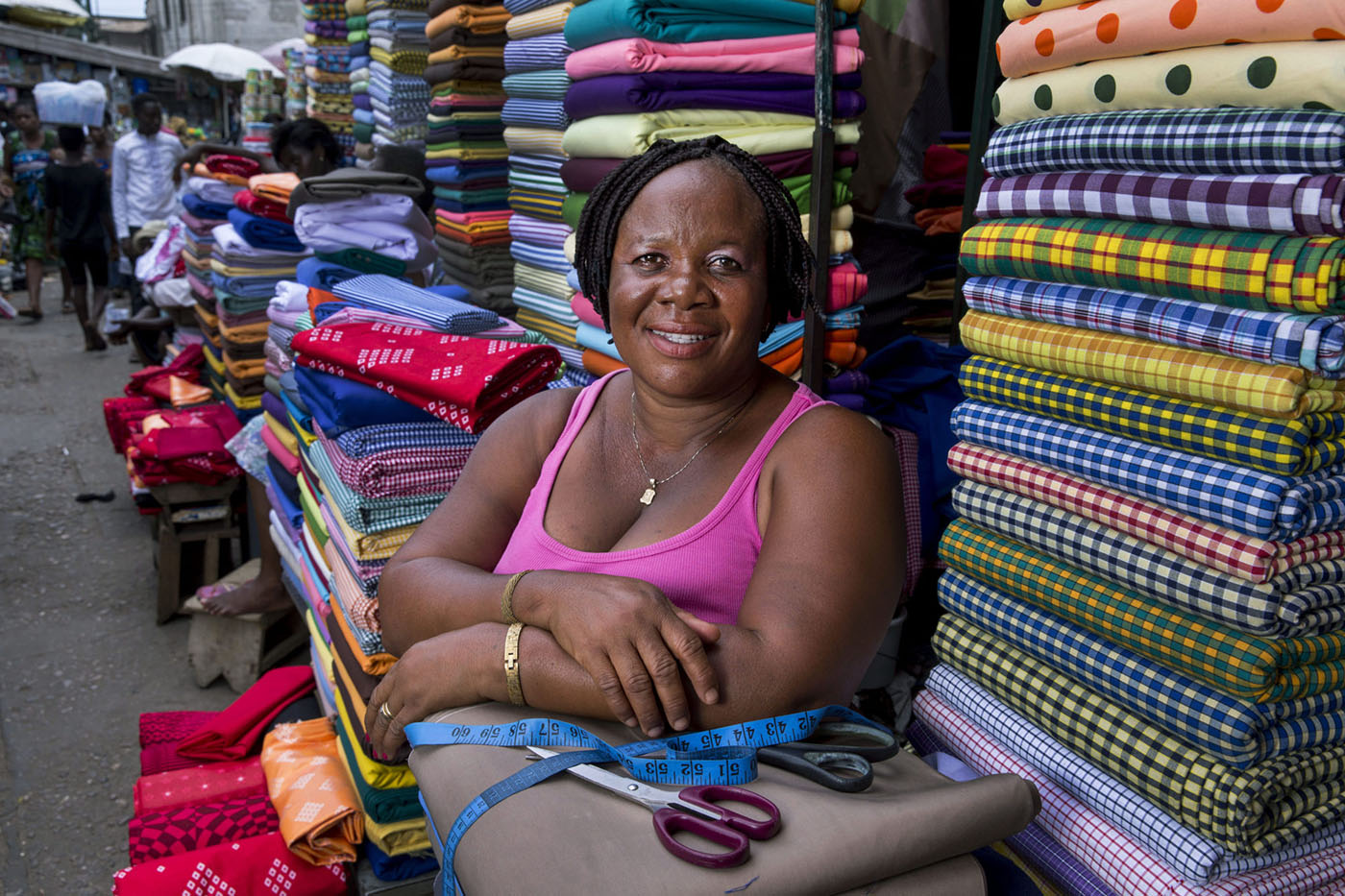
The conversation challenged the idea that a single African system of governance ever existed. Instead, the discussion pointed to a variety of arrangements. Akan queens’ authority in West Africa (Ohemaa in Ghana and Côte d’Ivoire) offered an example of women’s political power. Matrilineal systems in some parts of Africa, such as Malawi, organized inheritance and power differently from patrilineal ones. Certain women in certain places had social seniority, spiritual authority, and held central positions in community institutions. Women often also played an influential economic role through their prominence in trade and markets.
At the same time, participants noted the danger of idealizing these histories. African societies were also structured around hierarchy and exclusion, as well as more distributed forms of authority. Moreover, experiences from one subregion or country cannot represent an entire continent. Participants emphasized the need for disaggregation—to understand why particular systems developed in certain economic and social settings. Similarly, the fact that some African countries fare well in the Global Gender Gap Report provides an opportunity to learn from their individual successes—for example, Namibia is ranked 4th overall and Ghana is ranked 1st in the economic participation and opportunity subindex.
What happened to Africa’s historical examples of shared power?
These opening reflections led to a second question: if some forms of shared power existed in Africa, what happened to them? Participants noted that women did not simply withdraw from leadership; what changed were the institutions that recognized power and wealth. Historical exchanges with other cultures, religions, and governance systems, together with colonial administration, undermined earlier arrangements.
Economic value changed too. A thought-provoking part of the discussion concerned how wealth is defined. Land titles, registered businesses, bank accounts, and formal employment are some of the primary ways through which economic power is measured today. The discussion highlighted historical contexts in which gold, beads, indigenous textiles such as kente cloth, trade networks, and communal assets also had economic and social value. As definitions of wealth evolved over time, some of the economic spaces in which women had exercised the most influence became less visible.
Nonetheless, participants noted that recognizing past alternatives does not mean that current economies should return to older measures of wealth. Instead, it invites an examination of whether today’s frameworks capture the full range of assets, relationships, and power structures through which women can productively participate in African economies.
Why does this matter for economic transformation?
The conversation pivoted from history to economic policy. Viewing shared power exclusively as an issue of political representation overlooks its economic relevance. Discussing three concrete issues—the care economy, informal work, and resource governance—provided a constructive vehicle for this shift in focus, illustrating the economic significance of evolutions in power.
Care economy: The policy case for investing in care often emphasizes labor force participation and economic productivity gains—for example, the ILO estimates that the labor force is losing hundreds of millions of women globally because of unpaid care responsibilities. At the same time, there is value in acknowledging systems in which care was more holistically understood as a collective responsibility and an avenue for social reproduction, rather than seen solely as women’s work.
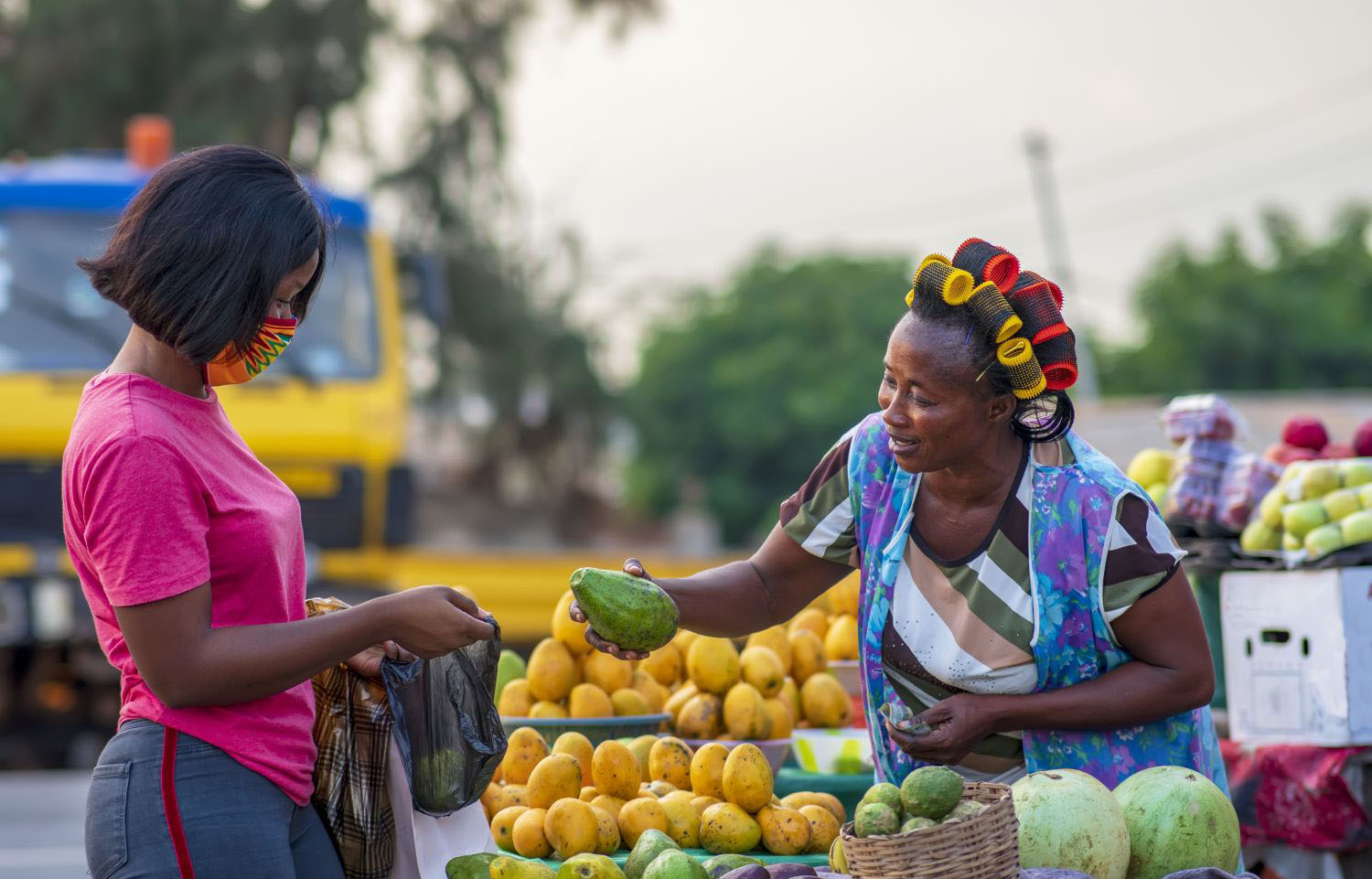
Informal work: Similarly, women across Africa are heavily concentrated in informal work, where social protection and recognition are weak. Historical evidence about women’s authority in markets and trade may be relevant because it can shed light on how power arising from economic organization, knowledge, and representation evolved over time.
Resource governance: Another entry point participants noted was land and resource governance. Across Africa, evidence shows that women continue to face barriers to owning and controlling land and productive assets, restricting their economic opportunity. The historical discussion extends this issue by asking how rights and power operated before individualized property became prevalent.
Gender equality is still sometimes dismissed as a foreign-driven agenda. Documenting African histories of shared power does not replace the importance of a universal declaration of human rights, nor does it displace the legal weight of prevailing policy. Nevertheless, it may offer a different starting point for reform, grounded in ideas that existed within Africa’s history. The African Union’s framework on women’s rights already recognizes the importance of protecting and supporting the development of women’s indigenous knowledge systems (article 18(2)(c) of the Maputo Protocol). This can serve as a guiding principle alongside a goal of expanding women’s participation in decision-making and strengthening women’s control over resources.
What do we still not know?
The conversation revealed how uneven the evidence remains. Participants identified gaps in scholarship about Central and North Africa, Lusophone countries, and island states, along with persistent language barriers within the existing evidence base. Relevant knowledge is not confined to standard academic publications; it also exists in oral histories, societal memory, music, folklore, and storytelling by people whose experiences may not be captured by formal research and data collection.
That points to a larger problem. Policy analysts, economists, feminist scholars, anthropologists, and other academics frequently approach related issues from within their respective spaces. The knowledge that exists across these disciplines rarely combines to inform economic policy. Bringing these perspectives together may create a useful reservoir of interdisciplinary and comparative research and spark a constructive new agenda for policy engagement.
How do we move from conversation to action?
The primary challenge, according to participants, was operationalizing their insights. Three priorities emerged clearly:
- a stronger and more geographically diverse evidence base
- translation of indigenous and interdisciplinary knowledge into language that can engage economic decision-makers
- networks that can bring together the researchers, economists, indigenous knowledge holders, civil society actors, and policymakers who currently work in silos
The convening was an attempt to start building that bridge.
Crucially, this was not a conversation about returning to the past. The closing consensus was that Africa’s institutional history may contain principles about shared power, collective accountability, economic recognition, and legitimacy that are worth examining for guidance on how to navigate current governance challenges and achieve regional goals like economic and financial inclusion for women.
Looking forward
The evidence is still incomplete. Yet we can now move beyond wondering whether shared power existed and turn more attention to considering what we can learn from it, what is best left in the past, and whether the ideas that persist can inform how Africa designs more inclusive paths to economic transformation. Enough gaps remain to justify deeper research, stronger cross-disciplinary collaboration, and more deliberate translation of lessons into economic policy.
Acknowledgments: We thank the convening participants for sharing their insights.