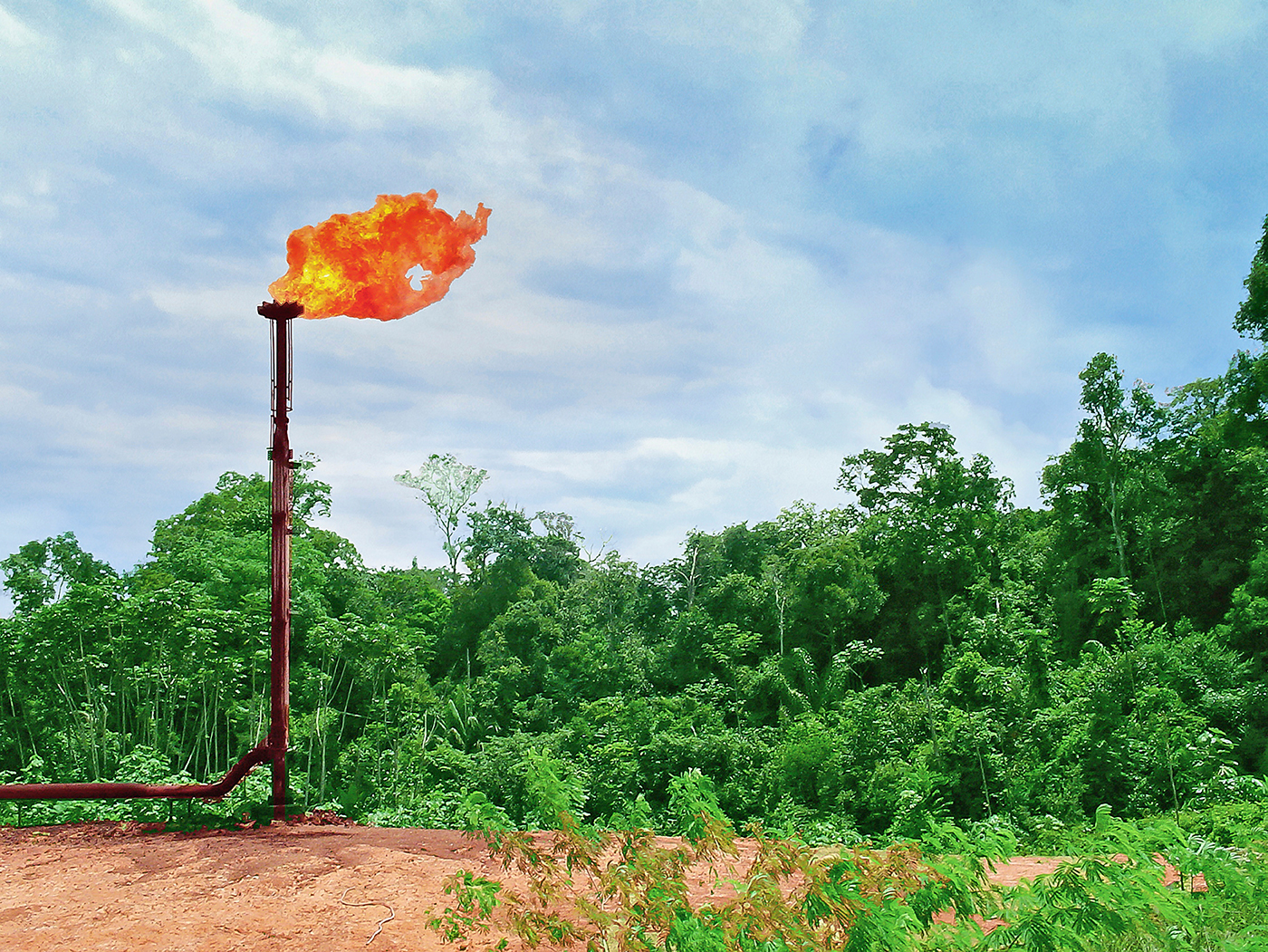
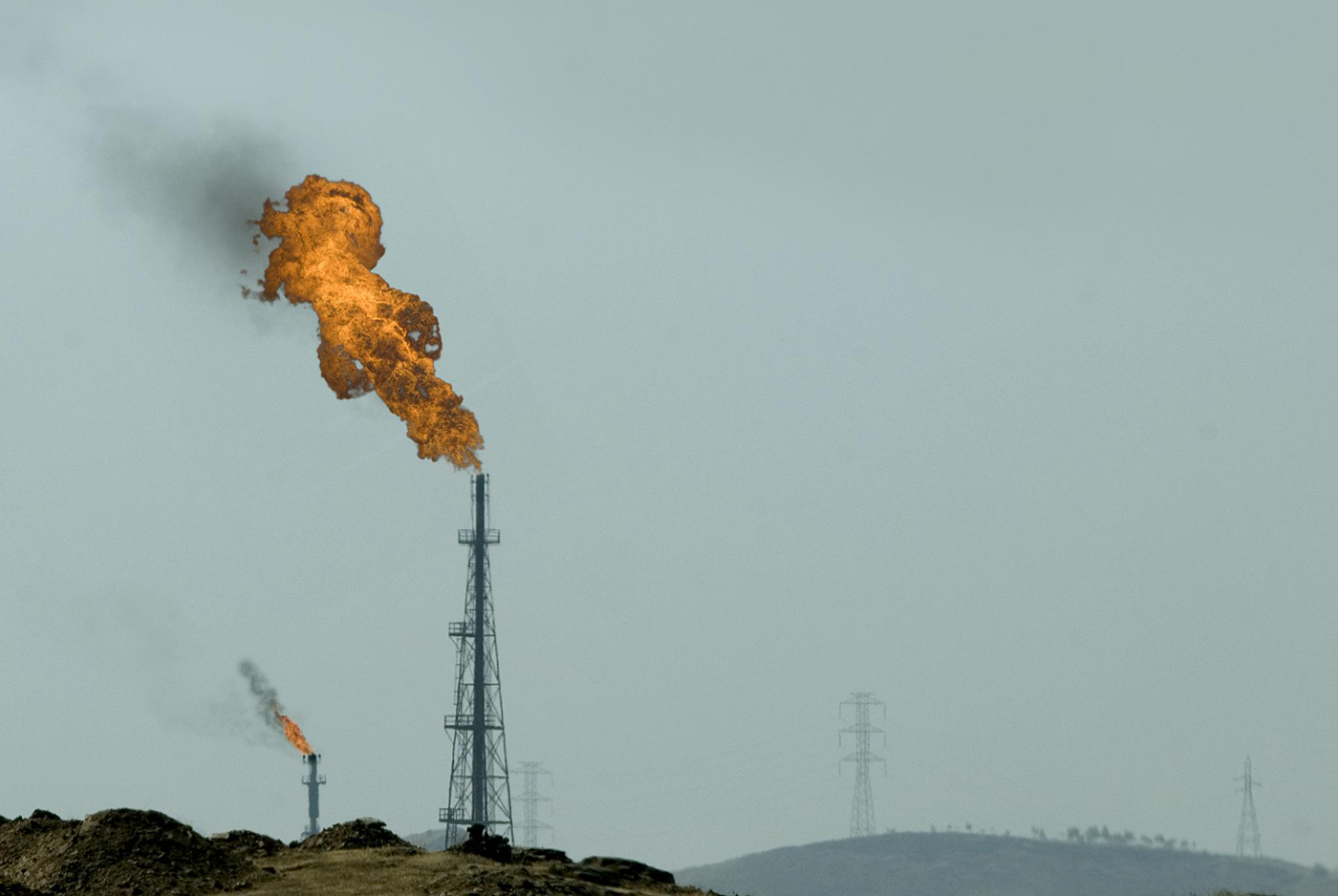
Hydrocarbon gas flaring, the burning of natural gas during oil production, produces carbon dioxide and can also, when combustion is incomplete, release harmful air pollutants including volatile organic compounds, black carbon, nitrogen oxides, sulfur dioxides, and methane. This literature review synthesizes evidence on the human health impacts of gas flaring in Nigeria and Iraq, two high-flaring countries, as well as Brazil, each country having committed to the World Bank–led Zero Routine Flaring by 2030 (ZRF) initiative. The review draws on epidemiological and clinical studies, biomarker analyses, environmental monitoring and exposure modeling, as well as investigative reporting.
Across these contexts, the literature consistently links exposure to gas flaring emissions with increased risks of respiratory illness, cardiovascular disease, carcinogenic and cellular damage processes, haematological and immunological dysfunction, endocrine and metabolic disorders, renal impairment, and adverse maternal, neonatal, and child health outcomes. The evidence base varies in scope and type of study, and reflects common methodological constraints, including indirect exposure assessment and limited baseline health data. Moreover, with the methodologies adopted in the studies under review, the unambiguous attribution of adverse health outcomes to gas flaring as opposed to other factors remains a challenge. Nonetheless, the convergence of findings across diverse study designs and geographic contexts—supported by established toxicological mechanisms—provides a plausible basis for causal inference, although stronger study designs would be needed to establish causation more definitively.
While further studies would be helpful to quantify the adverse health impact of the toxic load from gas flaring, the weight of evidence strongly supports the conclusion that gas flaring represents a significant, preventable public health risk and that eliminating the practice would yield substantial health benefits alongside climate mitigation and economic gains, underscoring the need to integrate public health considerations into flaring reduction policies, enforcement mechanisms, and energy transition strategies.