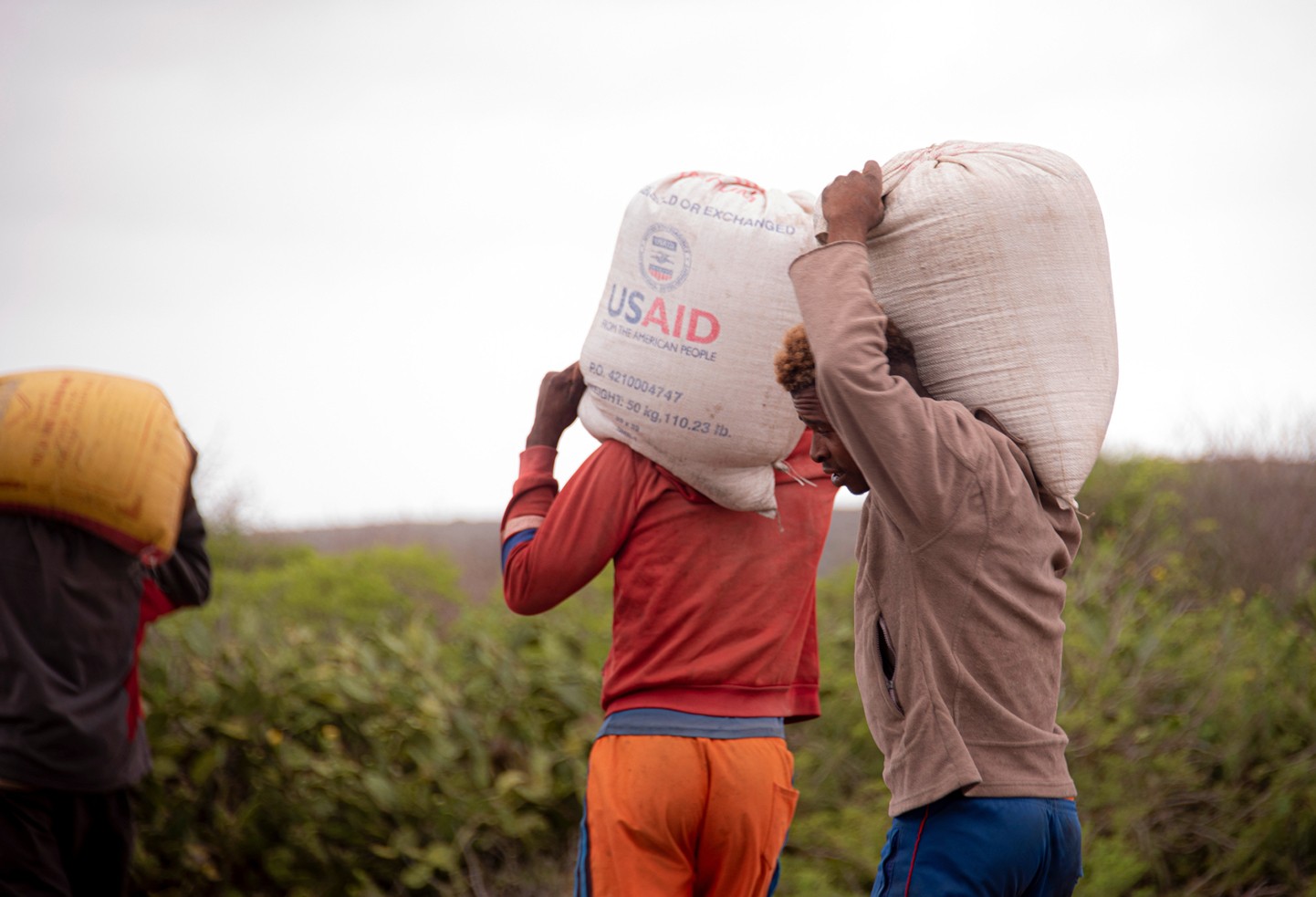
Admittedly, procurement reform isn’t the most exciting topic in development policy. But the implications of USAID’s move last week to reform its Source, Origin, and Nationality rule (S/O/N), one of the mother relics of procurement rules, are too important to pass relatively unnoticed through the news cycle.As part of an ongoing agency effort to cut through layers of burdensome bureaucratic red tape, USAID altered the old S/O/N rule which forced the agency to buy goods it needed in the field from the U.S. or submit to a lengthy waiver process when it was too impractical or costly to buy American. The change is part of USAID Forward’s Implementation and Procurement Reform initiative aimed at simplifying and streamlining policies and procedures to make foreign assistance more effective. A big part of that transformation will involve increasing competition and the use of reliable partner country systems and institutions by making more funding accessible to local partners, disadvantaged businesses, and small NGOs.In the days of S/O/N, regulations led USAID to buy most goods from the United States. But products procured stateside are often more expensive to purchase, ship, and take longer to get to where they’re needed. Reforming S/O/N is a big win-win for taxpayers and developing countries alike. While producers in developing countries can now more easily sell to the USG, USAID can save a buck on purchasing and delivering aid faster, making our assistance more sustainable and cost effective.But changing the S/O/N rule is only one step in what promises to be a long road towards a more streamlined and effective foreign assistance procurement system. Change can be difficult, especially for government agencies stuck in their ways. For example, Congress actually expanded USAID’s right to procure outside the U.S. in 1993, yet the agency self-imposed a policy to continue to follow the same limits on procurement as if Congress’s statutory amendment had never occurred (does anyone know why?).[1] Other pointless regulations are the result of lobbying, often well-intentioned, from special interest groups who benefit from these antiquated laws.Changing the culture of poor regulations – many of which are relic leftovers of the Cold War era, will take concerted effort. But according to Connie Veillette and John Norris, the payoff for trimming the red tap will be well worth the trouble. Their report lists five regulations to scrap that will make our aid more effective and potentially accumulate up to $2 billion in savings.1. End cargo preference for U.S. food aidCargo preferences mandate that 75% of all U.S. food aid commodities be shipped abroad by U.S. flagged vessels, or ships registered in the U.S. This costs more than finding the most competitive form of transport to move food aid, and usually takes longer to ship to needy recipients.2. Eliminate monetized food aidUnder food aid regulations, USAID is allowed to have private voluntary organizations, or PVOs, sell a portion of the food aid they receive from the U.S. on local markets in or near needy countries. They then use the proceeds of these sales to finance development projects or help pay for the cost of distributing food aid. But despite the popularity of this practice, experts agree that selling food aid in local markets undercuts local farmers, impedes market development for U.S. agricultural products, and is overall a financially inefficient method for providing food aid.3. Cut U.S. agricultural subsidiesDomestic U.S. agricultural subsidies overwhelmingly favor a handful of large producers while directly undermining the ability of developing countries to grow as stable economic trading partners over the long haul.4. Remove limitations on the local and regional procurement of food aidMuch like the S/O/N rule, the Food for Peace law requires food aid be purchased in the U.S. As noted above, this makes our assistance more expensive, slows down delivery, and undercuts producers in developing countries.5. Eliminate all earmarks in foreign aid accountsCongress earmarks almost all of our foreign assistance accounts, giving agencies very little discretion or flexibility to seize new opportunities for advancing U.S. interests or to respond to new development crises. Furthermore, this practice of micromanaging makes it difficult for agencies to develop coherent foreign assistance strategies.Changing the S/O/N rule is a good first step on the road to reducing inefficient regulations, but many remain. Overcoming powerful lobbies and agencies’ aversion to change will be a mammoth task for the USG, but USAID’s attention to procurement reform through USAID Forward is an encouraging sign that there is political will to start cutting through some of the red tape.
[1]http://www.gpo.gov/fdsys/pkg/FR-2012-01-10/html/2011-33240.htm