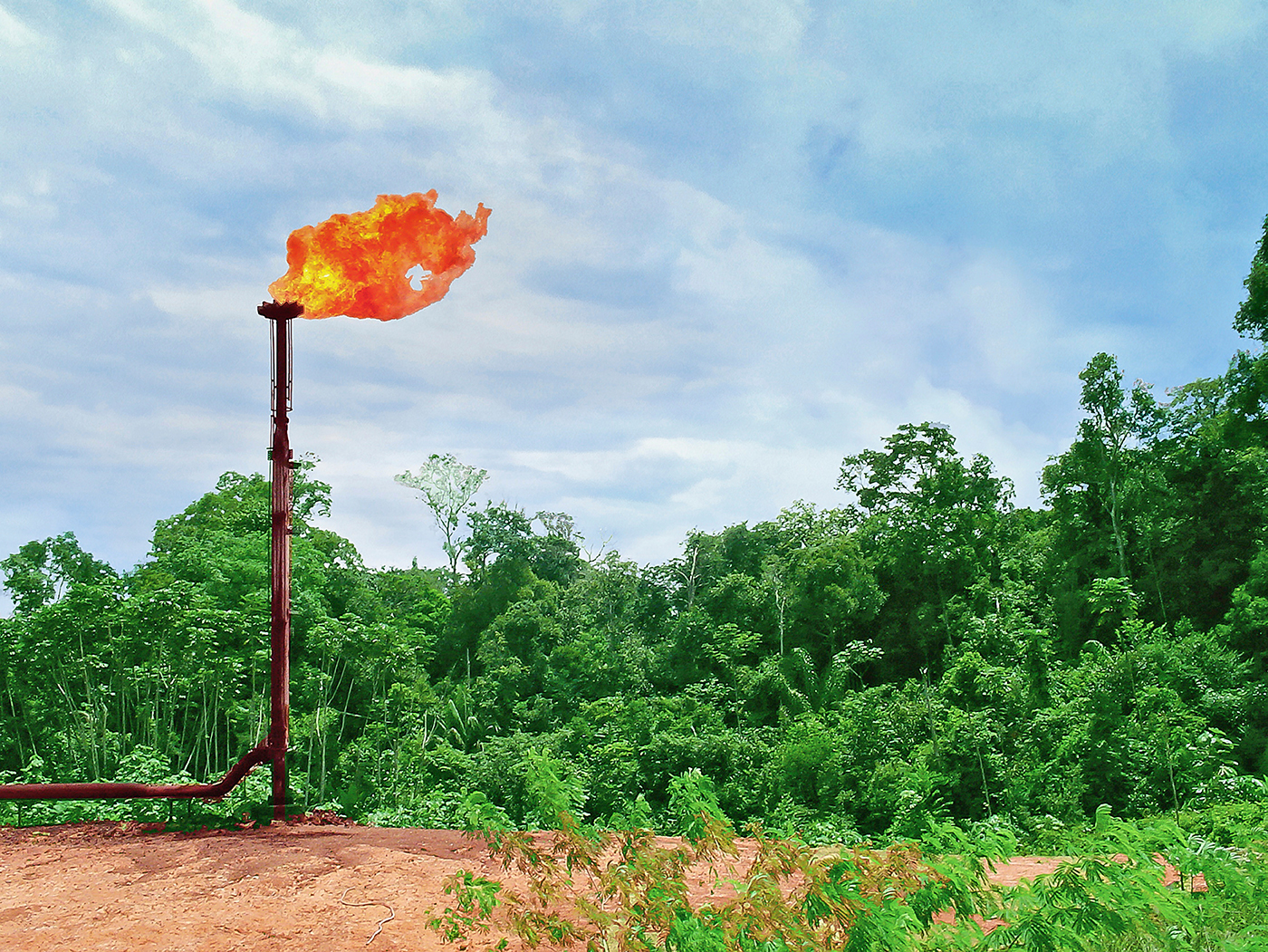
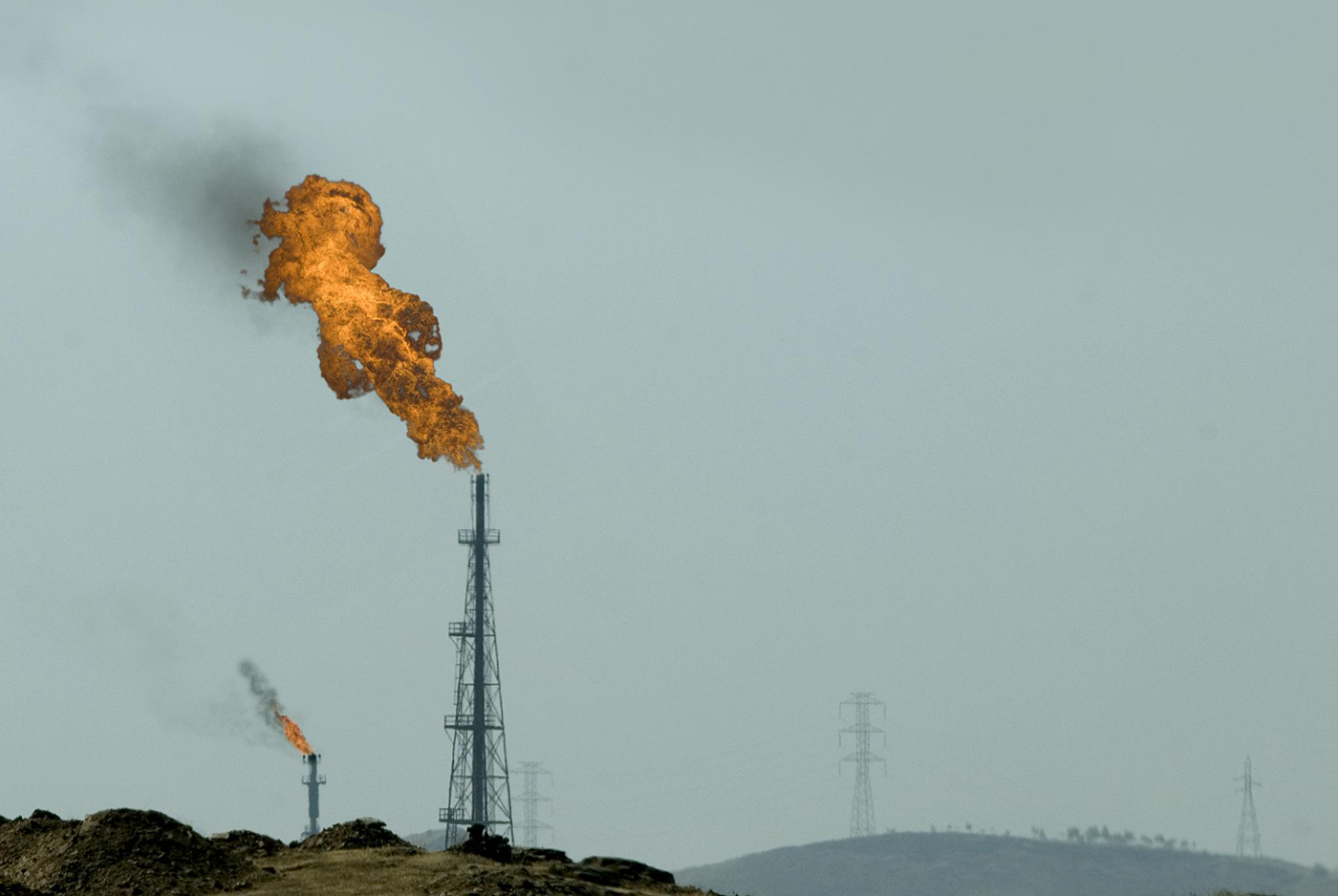
Every year, oil and gas producers burn off, or “flare,” vast quantities of natural gas instead of capturing and using it, because its value is ignored and the cost of capturing it can exceed the penalties for flaring. In 2025 alone, global gas flaring reached 167 billion cubic meters, the highest level since 2019 and the third consecutive annual increase. Total atmospheric release is much higher because natural gas, mostly methane when unburnt, is also vented, that is released directly into the atmosphere. Flaring and venting are significant sources of greenhouse gases and carry profound climate, environmental, and public health consequences.
Taxing or penalizing gas flaring and venting at levels that change company behavior can cut methane emissions, raise government revenues, and improve the health of people living nearby: three wins from one fiscal lever. This is one of the more promising climate-and-development ideas around, and so we have begun a project to knit together the evidence and policy recommendations needed to make the case for concerted actions.
The mechanism is straightforward. Satellite technology can now detect and measure flaring more rigorously, which means governments no longer have to take companies' word for how much gas they're burning off. That makes flaring a genuinely taxable activity. Calibrated correctly, a tax or penalty regime gives oil companies an incentive to invest in capturing and using gas instead of wasting it, while generating revenue for the government in the meantime. Nigeria, for example, made progress (until recently) by penalizing flaring and reducing it as a result. But an improved fiscal and regulatory regime is needed to change incentives and make further progress. The open question is whether Nigeria will continue its leadership role and whether, together with other flaring-heavy countries, it can be convinced to go further to stop flaring.
CGD and EnergyCC are engaged in a project to answer that question with better evidence. The project has three parts: an updated case study of Nigeria's flaring and the effects of penalties and other incentives since 2022, a scoping study of flaring in Brazil, and a literature review of what is known about the health effects of gas flaring.
Health impacts of natural gas flaring
The health literature review is the project’s first published piece, and it deserves attention, because the health case turns out to matter as much as the fiscal one. Flaring is a major source of CO2 emissions. When flares burn incompletely, which happens more often than regulators assume, they also release a mix of methane, fine particulates, benzene, polycyclic aromatic hydrocarbons, and other pollutants that people in neighboring and downwind communities breathe.
Our review, authored by Hailey Hoyle, pulled together epidemiological studies, biomarker analyses, environmental monitoring, and investigative reporting from Nigeria and Iraq, two of the highest flaring countries, and Brazil, which has an important leadership role in the UN Climate Change Conference. The pattern across all three countries is consistent: elevated respiratory and cardiovascular disease, blood and immune disruption, kidney and endocrine effects, and worse outcomes for pregnant women and young children. Nigeria has the deepest evidence base, built over two decades. Iraq's is newer but includes government health data tying flaring intensity in Basra to elevated cancer rates. The evidence from Brazil is thinner, drawn mostly from occupational studies, but points in the same direction.
We should be upfront about what this evidence cannot yet do. No study can easily separate gas flaring effects from everything else that comes with living near an oil field, and most rely on proxies for exposure rather than direct measurement. That is a real limitation, and it means we cannot put a precise number on how much of the disease burden in these communities is attributable to flaring specifically, as opposed to other industrial pollution. Cohort health studies can address this and focus particularly on children who are less exposed to contaminants other than air pollution in their living communities. What the review does make clear is that the direction of the effect is not in serious doubt, and that existing estimates likely understate the cost to human health.
This strengthens the case for one of the three “wins” governments should care about. A finance ministry considering a flaring tax is not only calculating revenue gains for the government. It also should be reckoning with the health of its own citizens in ways that have been documented but rarely quantified well enough to use in a fiscal argument.
Pending results and next steps
This is seed-stage work, funded through CGD's Incubation Fund: a first, focused piece of a larger effort. We will have more to share as the Nigeria and Brazil case studies come together over the coming months.
Our next steps will then be to work out how existing health-impact modeling tools, particularly the Social Cost of Atmospheric Release (SCAR) framework, can translate this evidence into numbers that finance ministries can use to make the social cost/benefit calculations for a proactive taxation regime. We plan to formulate a guide for policymakers and their advisors, such as the IMF, to turn a theoretical win-win-win into reality across the globe.
Useful comments were received from Hailey Hoyle, John Hicklin, Etienne Romsom and Kathryn McPhail. This blog was written with the assistance of Claude-AI. All AI-generated suggestions were carefully reviewed and edited by the author to ensure accuracy.