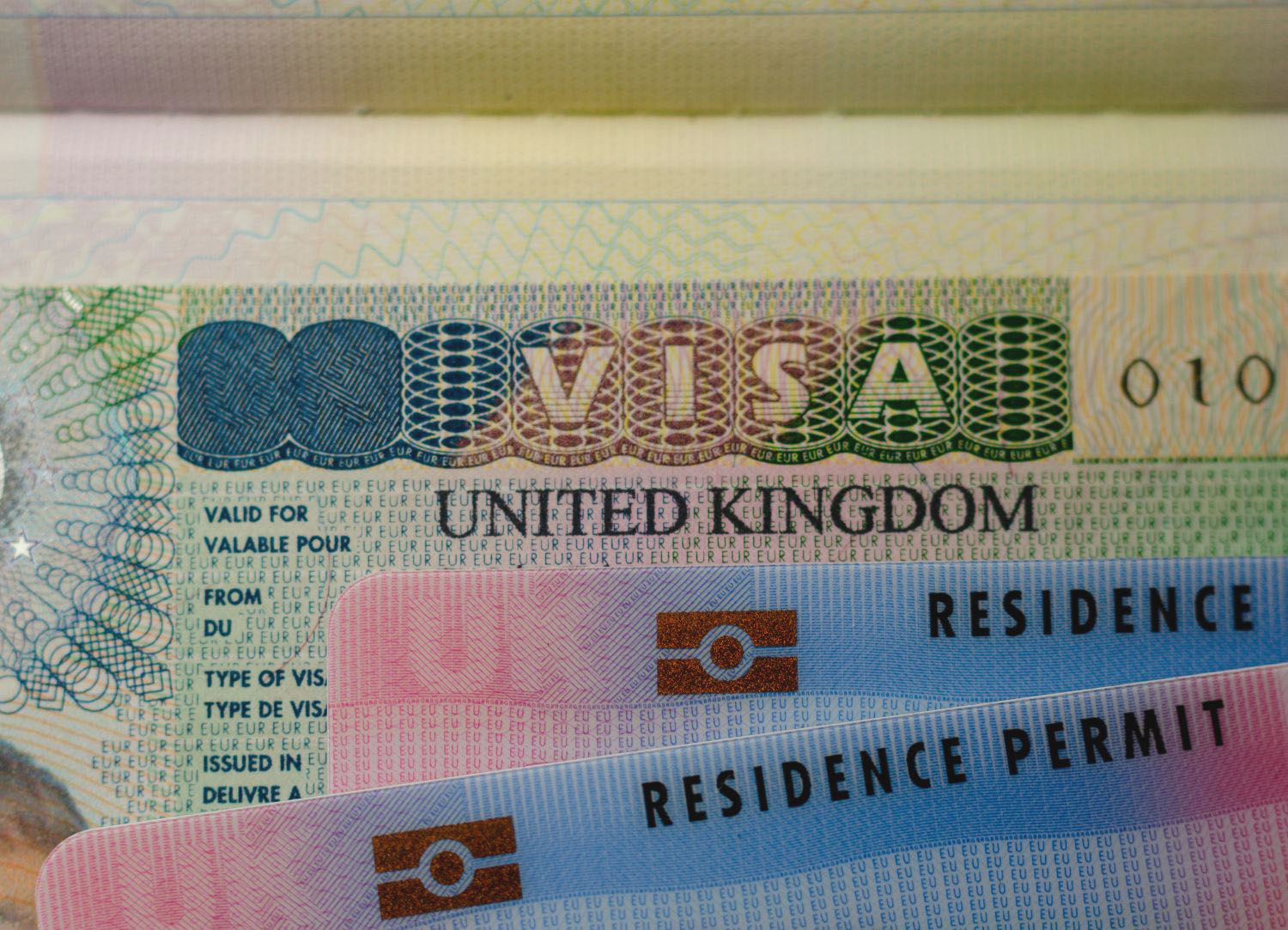
ABSTRACT: Immigration restrictions were imposed in the United States and other developed countries due in part to concerns that immigration of low-skill workers could exacerbate inequality among natives, fiscally drain the welfare state, and lead to a bifurcation of native culture. Several countries that have become prosperous more recently are creating a new form of immigration that may equalize native wage distributions and provide fiscal benefits. Hong Kong, Singapore, and the Gulf States admit large numbers of foreigners to work as domestics on temporary visas. This can potentially allow native high-skill workers, women in particular, to enter the labor force. If immigrants and low-skill natives are imperfect substitutes, either technologically or because government policy restricts low-skill immigrants to domestic work, this increased labor supply by native high-skill workers can increase the wages of low-skill natives and provide fiscal benefit by correcting distortions against outsourcing domestic production created by income taxes. Calibration suggests these effects are substantial.