You are here

Topics:
Expertise
Bio
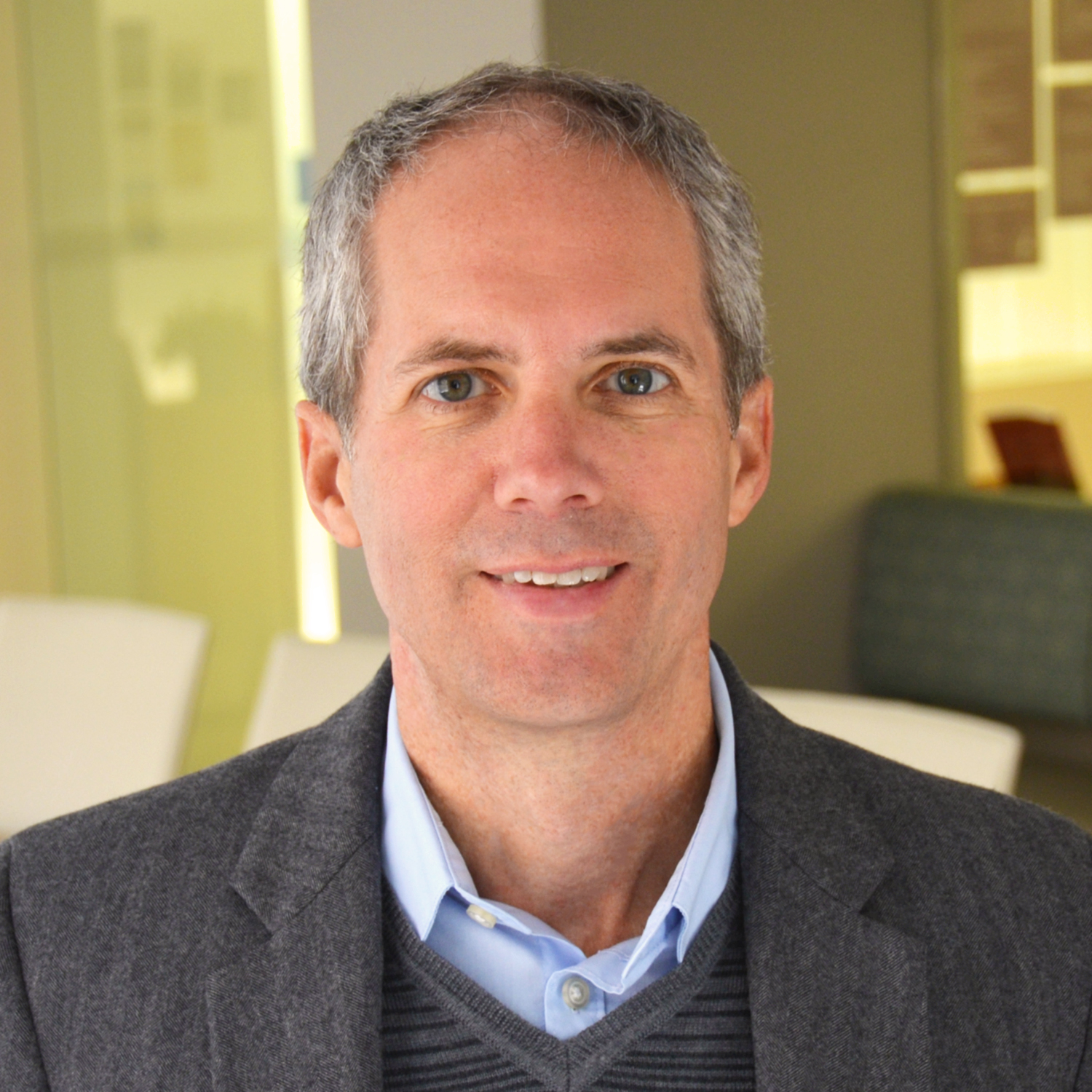
Scott Morris is a senior fellow at the Center for Global Development, director of the center’s US Development Policy program and co-director of the Sustainable Development Finance program. His research addresses development finance issues, debt policy, governance issues at international financial institutions like the World Bank and IMF, and Chinese development finance.
Morris served as deputy assistant secretary for development finance and debt at the US Treasury Department in the Obama Administration. In that capacity, he led US engagement with the multilateral development banks, as well as US participation in the Paris Club of official creditors. During his time at Treasury, Morris led negotiations for four general capital increases at the multilateral development banks and replenishments of the International Development Association (IDA), Asian Development Fund, and African Development Fund.
Morris was a senior staff member on the Financial Services Committee in the US House of Representatives, where he was responsible for the Committee’s international policy issues, including the Foreign Investment and National Security Act of 2007 (the landmark reform of the CFIUS process), as well multiple reauthorizations of the US Export-Import Bank charter and approval of a $108 billion financing agreement for the International Monetary Fund in 2009. Previously, Morris was a vice president at the Committee for Economic Development in Washington, DC.

Morris serves on the international advisory panel of the Asian Infrastructure Investment Bank, the eminent group of independent advisors for the International Fund for Agricultural Development, and the executive committee of the Modernizing Foreign Assistance Network. He is also co-chair of the International Financial Institutions working group, a diverse coalition of US-based organizations seeking to promote effective US participation in multilateral institutions.
Media Contact
In the News
Working Groups
More From Scott Morris


WASHINGTON – While China still receives loans and other aid from multilateral institutions like the World Bank and UN agencies, it has also emerged as one of the most powerful donors, in some ways eclipsing the US, according to a sweeping new study from the Center for Global Development.
Pages

US leadership in multilateral institutions such as the World Bank and regional development banks is flagging. These institutions, rated as some of the most effective development actors globally, provide clear advantages to the United States in terms of geostrategic interests, cost-effectiveness, and results on the ground. Restoring US leadership in institutions like the World Bank will mean giving a greater priority to MDB funding, which today accounts for less than 10 percent of the total US foreign assistance budget and less than 0.1 percent of the total federal budget. Prioritizing multilateral assistance in an era of flat or declining foreign assistance budgets will necessarily mean some reallocation from other pots of foreign assistance money, as well as an effort to address the structural impediments to considering reallocations.
From the testimony: “And while the United States was roundly criticized for its handling of this episode, I think much of that criticism was misguided in putting the focus on the short term bungling of diplomatic outreach, or Congress’s failure to pass IMF reform. Both are relevant, and I very much believe that action on the IMF quota package is critical in its own right, but the challenges to US leadership in the MDBs – institutions like the World Bank and Asian Development Bank where the US is the largest shareholder – run deeper and are longer term in nature.”
China’s Belt and Road Initiative – which plans to invest as much as $8 trillion in infrastructure projects across Europe, Africa, and Asia – raises serious concerns about sovereign debt sustainability in eight countries it funds, according to a new study from the Center for Global Development.
What's going to happen in the world of development in 2018? Will we finally understand how to deal equitably with refugees and migrants? Or how technological progress can work for developing countries? Or what the impact of year two of the Trump Administration will be? Today’s podcast, our final episode of 2017, raises these questions and many more as a multitude of CGD scholars share their insights and hopes for the year ahead.


Commentary Menu