FEWS NET, the US-financed famine early warning system, was one of the casualties of the US foreign assistance “pause.” The good news is that it has resumed operations. But what it has to report is deeply concerning. “Starvation persists in Sudan and re-emerges in Gaza; South Sudan and Yemen also continue to face severe acute food insecurity emergencies… large-scale food assistance needs persist across East Africa, parts of West and Southern Africa, conflict-affected areas of the Middle East, Afghanistan, and Haiti.”
Conflict, weather shocks and food inflation play the major roles. But in addition, the “uncertainty of trade relationships has led to a downward revision in projections for global economic growth for the year, and there is concern that shifts in agricultural trade flows may place upward pressure on prices.” And “freezes and ongoing reductions of donor funding are forcing cuts to food, nutrition, and agricultural assistance programs.”
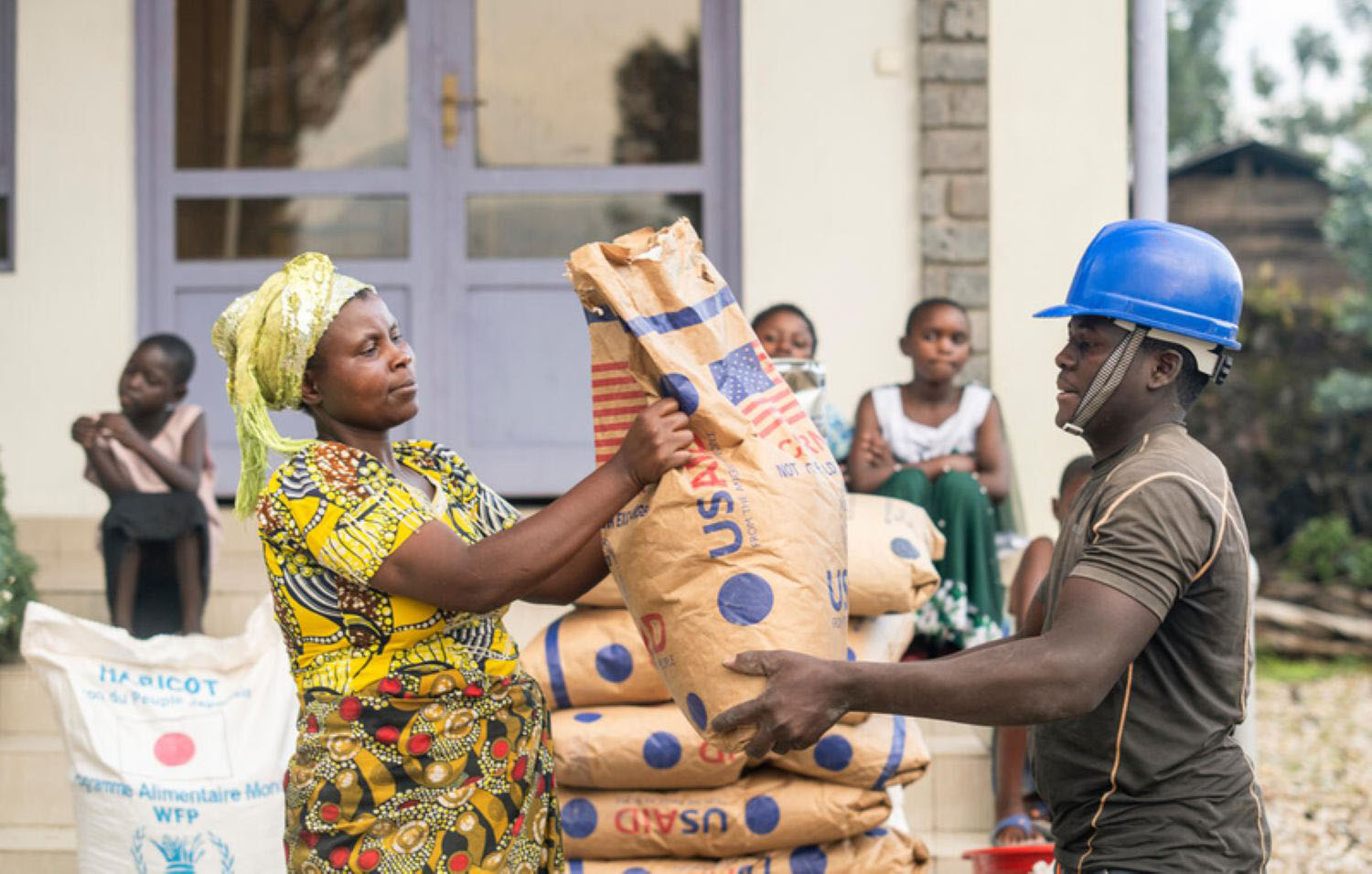
In Ethiopia, for example, “[t]he impact of frozen funds led to significant disruptions in food and nutrition delivery programs in early 2025, including the suspension … food distributions for two million people in February … treatment for 650,000 malnourished women and children will be halted in May, while assistance for up to one million refugees is at risk of stopping in June.” In Somalia “humanitarian response capacity is constrained by shrinking funds. Monthly assistance distributions are expected to decline from 1.1 million recipients in January-March 2025 to fewer than 900,000 people in April-June 2025.”
Life-saving assistance has already been severely disrupted by the foreign aid pause. Cuts to humanitarian assistance, agriculture, and maternal and child health will extend and exacerbate that impact. The deaths have already begun. If the administration’s budget, which proposes cutting humanitarian assistance from $10.3 billion to $4 billion and health assistance from $10 billion to $3.8 billion, is passed, that death toll will only mount.