Stanley Fischer, who passed away this week at 81, was a giant in global economic thought. His career offers enduring lessons for how countries can move from crisis to stability and sustained economic growth. While many will remember his academic contributions or his roles at the IMF and the U.S. Federal Reserve, he was one of the most consequential economic policymakers that one of my home countries, Israel, has ever had. Twice, he stepped in to help steer the Israeli economy away from the brink—once as an outside advisor, and later as the nation’s central banker.
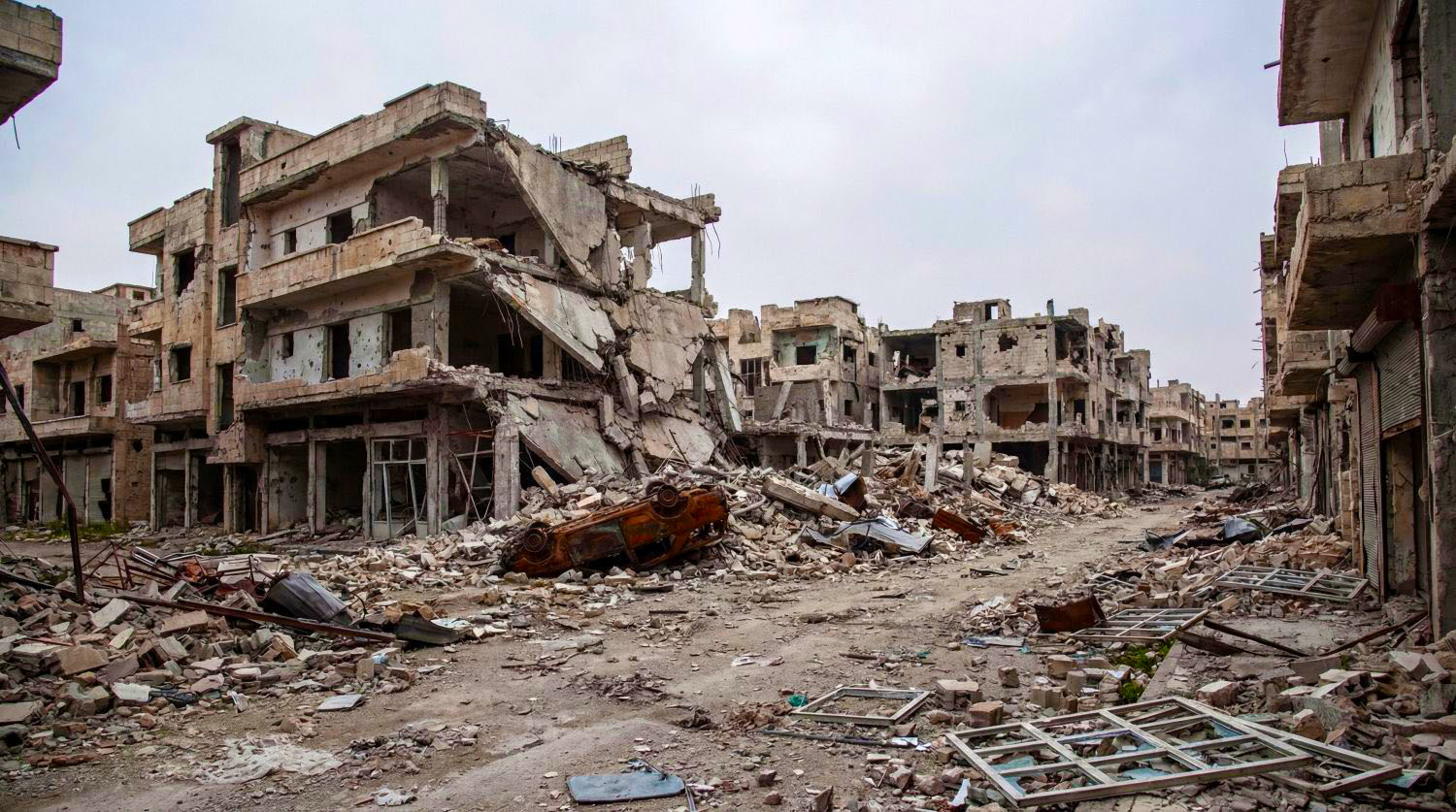
Fischer’s first major role in Israeli policymaking came in the mid-1980s, when the country was facing economic collapse. Israel’s macroeconomic crisis at this time—marked by annualized inflation nearing 400 percent (and up to 1,000 percent in the second half of 1984), a spiraling deficit, collapsing reserves, and a looming debt default—echoes the kinds of challenges many middle-income countries have faced during periods of political transition or external pressure. After forming a national unity government in 1984, Prime Minister Shimon Peres assembled a team of economists—led by Michael Bruno and supported by an American advisory group that included Fischer—to design what became the 1985 Economic Stabilization Plan.
The plan, which included Fischer’s contributions, combined orthodox measures—such as slashing the budget deficit by 7.5 percent of GDP, devaluing the currency, and raising interest rates. Crucially, the plan succeeded because it was embedded within a somewhat not-quite-orthodox framework: a national “social contract” that brought together the government, labor unions, and the private sector to reach consensus on price and wage controls. This cross-sectoral coordination was achieved under the courageous leadership of then-Prime Minister Shimon Peres. Fischer’s work helped give the plan its intellectual coherence and credibility.
The results were historic: inflation plummeted from over 11 percent per month in mid-1985 to just 1 percent per month a year later. Unemployment, which many feared would skyrocket, rose only modestly. That moment—and Fischer’s role in it—cemented his place as an indispensable figure in Israel’s modern economic history.
But his second act in Israel might be even more remarkable.
In 2005, Fischer—by then one of the most respected economists in the world—became Governor of the Bank of Israel. It was just a few years after the Second Intifada had badly shaken the economy. Investor confidence was fragile in this period, and many of the scars—economic and social—were still visible. By the time the global financial crisis hit in 2008, Israel was still in recovery mode. The global financial system was unraveling. Few knew what the next day would bring.
And yet, under Fischer’s calm and confident leadership, Israel emerged from the crisis in better shape than most other economies with deep ties to the American economy. He moved decisively: cutting interest rates, intervening in currency markets, and expanding liquidity to stabilize the banking system and protect exports. He managed the crisis not only amid global economic collapse but at a time of lingering regional instability and political uncertainty at home. In light of this huge accomplishment, in 2010 Euromoney honored Fischer as the “central bank governor of the year”.
Fischer was uniquely prepared for that moment. He was not only a world-class academic but had rare public-sector experience from his time as First Deputy Managing Director of the IMF, and senior private-sector experience from Citigroup. That combination—deep theory, institutional savvy, and practical judgment—made him an ideal fit to guide a small, open economy through a global storm.
Fischer’s approach—mixing orthodox monetary tools with unconventional measures like foreign exchange interventions—holds valuable lessons for developing and emerging markets, especially small open economies. His response showed that flexibility, timely action, and credible institutions are essential to navigating external shocks. Rather than sticking rigidly to textbook policy, Fischer tailored his tools to the country’s vulnerabilities—an approach that many developing countries can learn from when facing volatile capital flows, exchange rate pressures, or global crises.
I met Stanley Fischer several times over the years. In every setting—public or private—he radiated intellectual clarity, humility, and a deep sense of purpose. He had that rare gift of making complex economic ideas feel intuitive, and the even rarer gift of making everyone around him feel heard.
Fischer’s story is also a reminder of the value immigrants bring to public life. Not every country would entrust such a senior role to someone who arrived later in life, educated and shaped elsewhere. Yet Israel did just that—welcoming a world-renowned economist and giving him the institutional space to lead. That openness, where it exists, can be a powerful source of strength for any country.
Stanley Fischer’s legacy is not just in textbooks or speeches. It lives in the resilience of Israel’s economy, in the institutions he strengthened, and in the generations of economists he inspired around the world.
Note:This blog was edited with assistance from AI and reviewed by the authors and a human editor before publication.