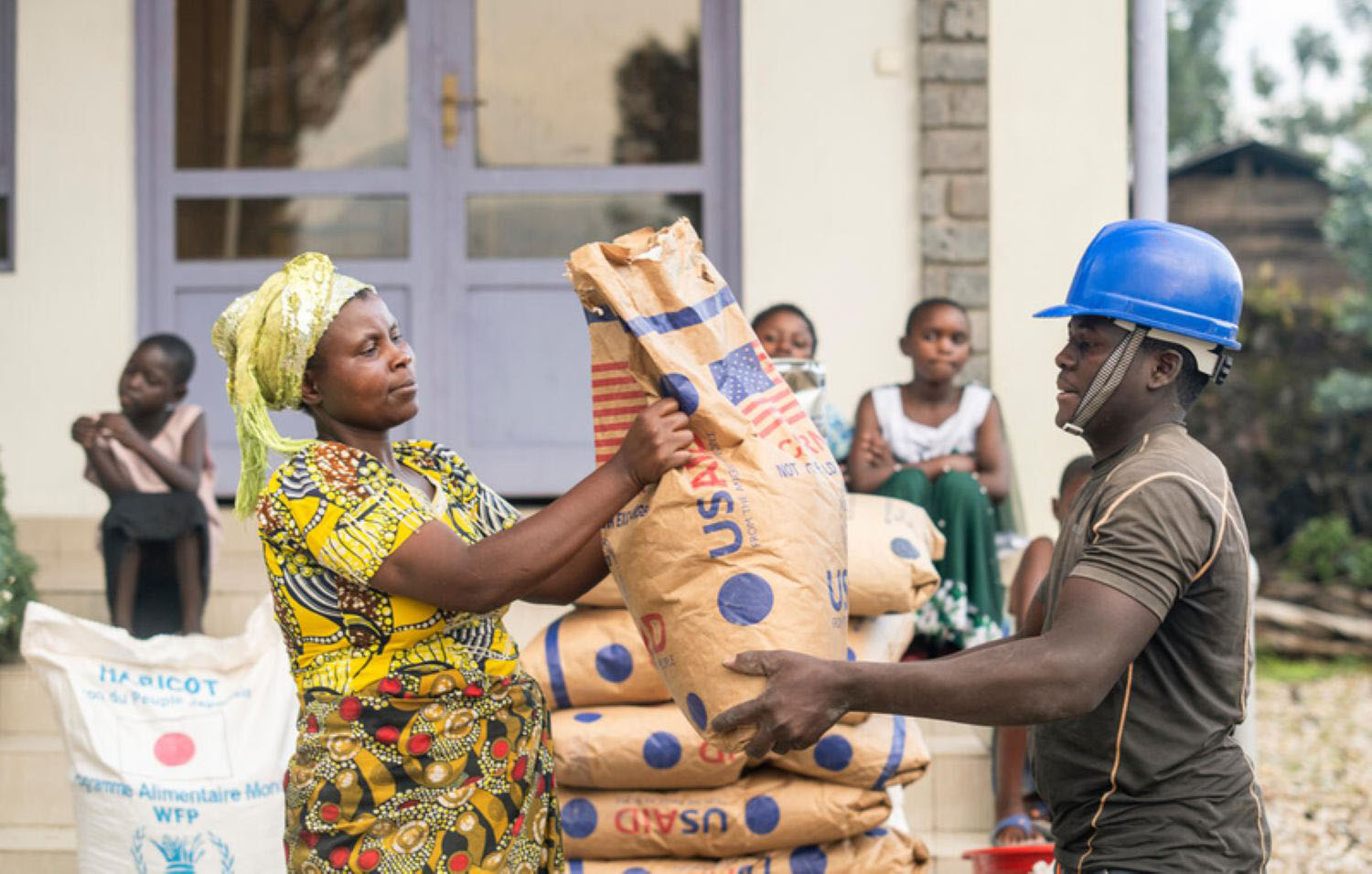
Amid major shifts in US global engagement, CGD is analyzing the depth of the changes and their far-reaching implications, including the dismantling USAID and the abrupt termination of USAID awards supporting programs worldwide. CGD is kickstarting a new research agenda and developing partnerships to inform what comes next, building on an event on the future of US foreign assistance held earlier this year.
In addition, CGD is hosting Project Resource Optimization (PRO)—an independent initiative responding to this unprecedented disruption. Led by a dedicated team of experts, PRO identifies cost-effective, life-saving programs thrust into uncertainty by funding cancellations. PRO has developed an "urgent and vetted" list of cancelled programs that, with additional private resources, could complete their planned, high-impact activities and—as appropriate—wind down operations responsibly.
While PRO continues mobilizing private funding to address urgent needs, the team is reflecting on insights from this critical work and the lessons they hold for navigating the challenges ahead. We're excited to share the first in a series of posts from the PRO team.
To learn about PRO's origins, selection methodology, and the projects it has identified as critical, visit the initiative's dedicated page. More insights will follow on the CGD blog.
When the Trump administration froze most foreign assistance in early 2025, officials were quick to reassure the public that life-saving aid would be preserved. Secretary of State Marco Rubio repeatedly claimed that “life-saving medicine, medical services, food, shelter, and subsistence assistance” were eligible for waivers to continue their work.
But with few staff and little guidance, the waiver system provided only limited relief. The freeze halted scores of USAID-supported programs that were saving lives. We know this because we have spent the past five months talking to implementers, combing through public data, and cataloguing cancelled awards. The result is unambiguous: the freeze halted dozens of programs that were saving lives, and for many, no replacement was put in place.
We started Project Resource Optimization (PRO) in the wake of the foreign aid freeze to mobilize funding for life-saving interventions by tracking which USAID programs were canceled, how many lives were at stake, and what could still be salvaged. Our team—six former USAID staff—built a triage system to identify the projects with the greatest potential to save the most lives per dollar spent if rapidly re-funded. So far, we’ve helped mobilize nearly $46 million to re-activate over 30 programs that we estimate will reach over 3.6 million people, but the remaining need is staggering.
Waivers existed. Life-saving programs still didn’t survive
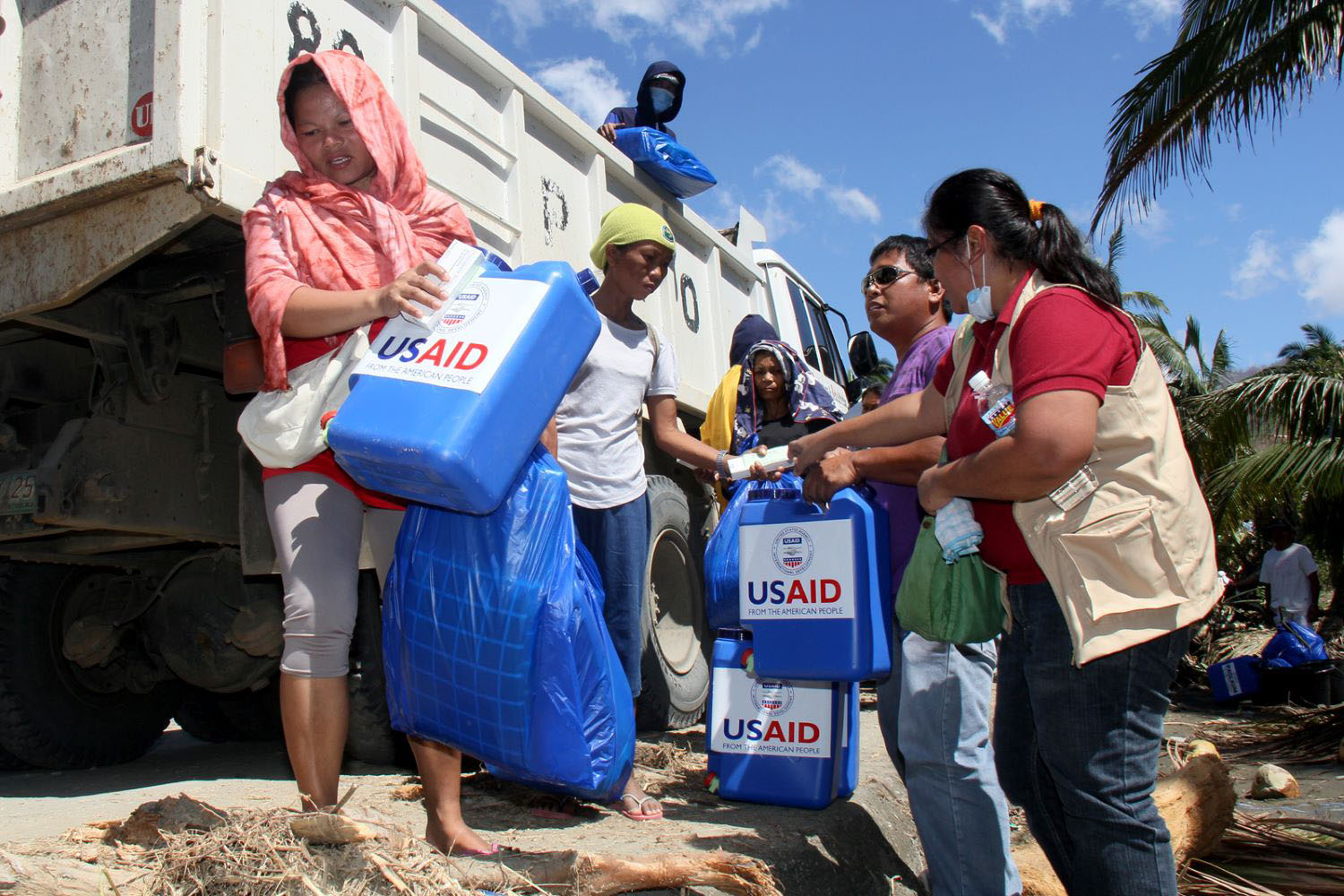
Foreign aid can include everything from governance reforms to infrastructure development. Not every USAID award focused on life-saving assistance, or was necessarily urgent or indispensable. But among those terminated were programs that deliver some of the most cost-effective health and humanitarian interventions that we know of: emergency nutrition for malnourished children, vaccines to prevent disease outbreaks, maternal and newborn health services in fragile settings, and others.
These are not speculative ventures; they are approaches supported by decades of rigorous evidence and embedded in global health and humanitarian policy because they work. Yet even where waiver processes existed, many of these programs remained shuttered.
Using a transparent prioritization approach (described here), we filtered through USAID’s budget for fiscal year 2024, reviewed hundreds of canceled awards, and identified a subset with especially high life-saving potential. The result is a vetted list of priority programs across 20+ lower-income countries. These projects are already staffed, stocked, and ready to deliver, and were abruptly halted with no plan for replacement.
Here are some representative—but not exhaustive—examples of the types of shuttered programs that recur in our triage work: proven programs that avert deaths at some of the lowest costs in global aid.
Fighting child hunger with therapeutic food
Over half of all deaths among children under five are linked to malnutrition. Severe acute malnutrition and moderate acute malnutrition are leading causes of death for children under five, especially in conflict-affected areas like Sudan, Yemen, and Mali. If left untreated, we estimate that over 25 percent of children diagnosed with severe malnutrition would die.
The treatment, however, is straightforward: nutrient-rich therapeutic foods such as Plumpy’Nut, which can bring a child back from the brink in weeks. These nutrition programs are simple, proven, humane, and highly cost-effective.
In Sudan, Catholic Relief Services (CRS) was running 11 health and nutrition centers in response to the conflict, which has displaced over 13 million people and left nearly 25 million facing acute hunger. These facilities treated children suffering from acute malnutrition, delivering therapeutic foods that can reverse starvation in weeks for as little as $40–$120 per child. When US funds were suspended, life-saving services stopped.
Through emergency support from philanthropic partners, CRS has now been able to resume some activities. We conservatively estimate that this emergency funding will allow CRS to reach well over 200,000 people, mostly young children. These are tremendous efforts, as are those of Save the Children and the International Rescue Committee (both on PRO’s vetted list). But the gap remains large, and every delay costs children's lives while ready-to-use therapeutic foods sit in locked warehouses, soon to be destroyed. While we welcome the news that some US-funded programs are resuming, significant gaps remain. Feeding children should be uncontroversial.
Vaccines work. These programs did too
Routine immunization averts an estimated 4.4 million deaths annually, often reaching children for just a few dollars per vaccine. Several shuttered USAID programs were part of broader efforts to ensure children receive routine immunizations, including measles and polio vaccines. These programs often come with stockpiles of already-procured doses, technical assistance plans, and community outreach infrastructure in place. Even with modest bridge funding, they can continue operating long after US government dollars stop flowing.
Before the freeze, JSI Research & Training Institute, Inc. was supporting local health ministries to reach zero-dose and under-immunized children in Mozambique, Nigeria, Côte d’Ivoire, and other countries. The work included expanding access to primary healthcare, supply-chain improvements, and the roll-out of a new malaria vaccine. Once funding stopped, outreach collapsed.
A group of philanthropic donors stepped in to provide bridge support, allowing the distribution of remaining in-country vaccines in both Nigeria and Mozambique, which we estimate will help reach 880,000 children. But without longer-term operational support, coverage gains will erode, increasing the risk of disease outbreaks and preventable childhood mortality.
The case for saving interrupted research
Not all life-saving programs involve direct delivery of life-saving interventions. Some research projects were abandoned midstream, wasting millions of dollars already spent and jeopardizing future cost-effective and life-saving efforts. These are the tools we need to improve foreign assistance—especially in this increasingly resource-constrained environment.
One example is MATRIX, a multi-country trial investigating affordable HIV prevention methods for women. Recent advances in HIV prevention have been exciting but expensive; MATRIX is exploring cheaper and effective alternatives that could make HIV prevention scalable in a future with less direct foreign aid funding. The USAID-supported studies in Kenya, Zimbabwe, and South Africa were nearly complete. Still, without the final funds for follow-up, lab analysis, and regulatory reporting, biological samples remained in storage, and years of work were at risk of disappearing.
We have helped mobilize a growing list of private donors to keep some of this work alive, but many similar projects do not yet have backers. These are programs that don’t just avoid waste. They hold the key to doing more with less as global aid budgets tighten.
What’s still on the line
Given the extent of cuts since January 2025, we had to be ruthless in our prioritization. As we combed through USAID’s programs, we focused our efforts only on direct health and humanitarian programs—along with interrupted research in this field—with the clearest link to proven life-saving interventions. That meant leaving out critical systems work, like national health data platforms or sustainable economic development efforts, and it meant ignoring any award without detailed public data. The true scale of the harm from pulling back support is far larger than what we’ve been able to capture.
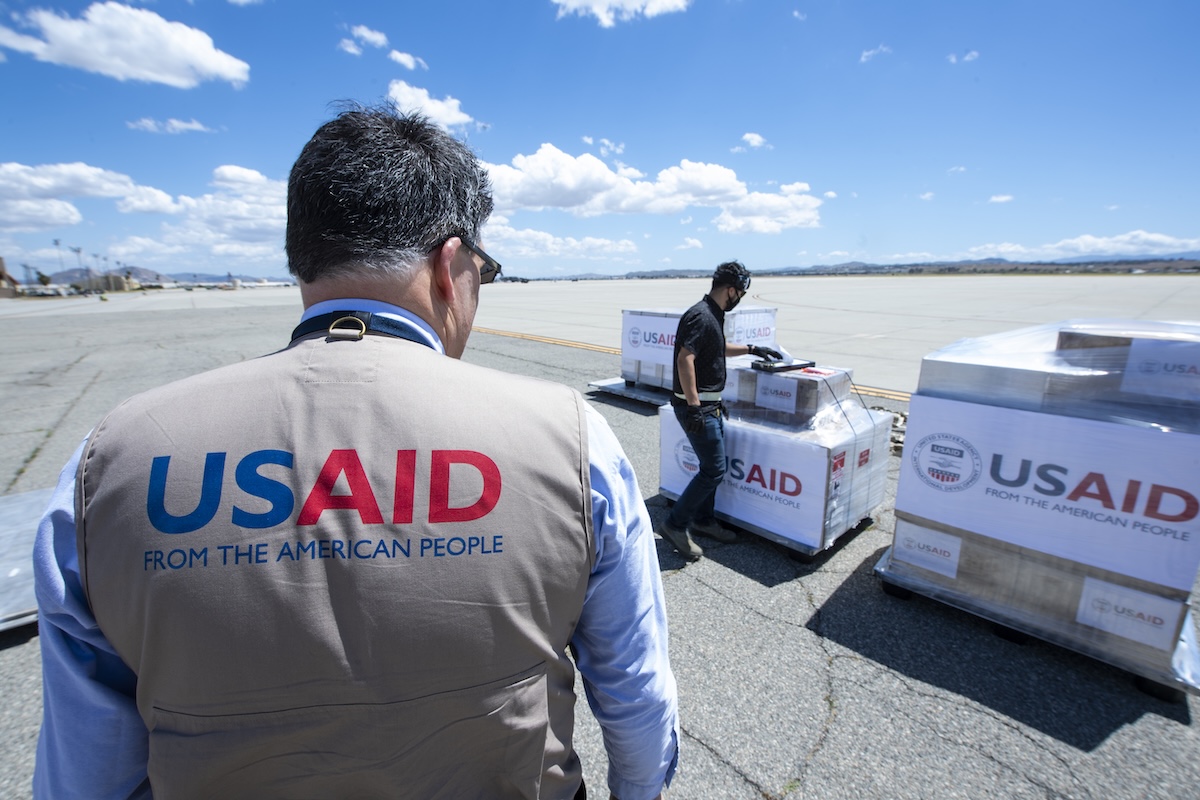
Today, nearly 50 programs on our list remain unfunded, despite being ready to resume implementation. They include nutrition support in Bangladesh, vaccines in Côte d’Ivoire, safe drinking water in Yemen, and more. These programs were not only among the most effective in USAID’s portfolio, but they were also reaching the world's most vulnerable populations. And every week, our list shrinks—sometimes because a program was funded, but at least as often because the organization determined the program is no longer viable and released key staff and resources. As time goes on, the “no longer viable” list grows longer as more and more projects reach fiscal cliffs that force them to fully shut down their operations.
There’s still time to help
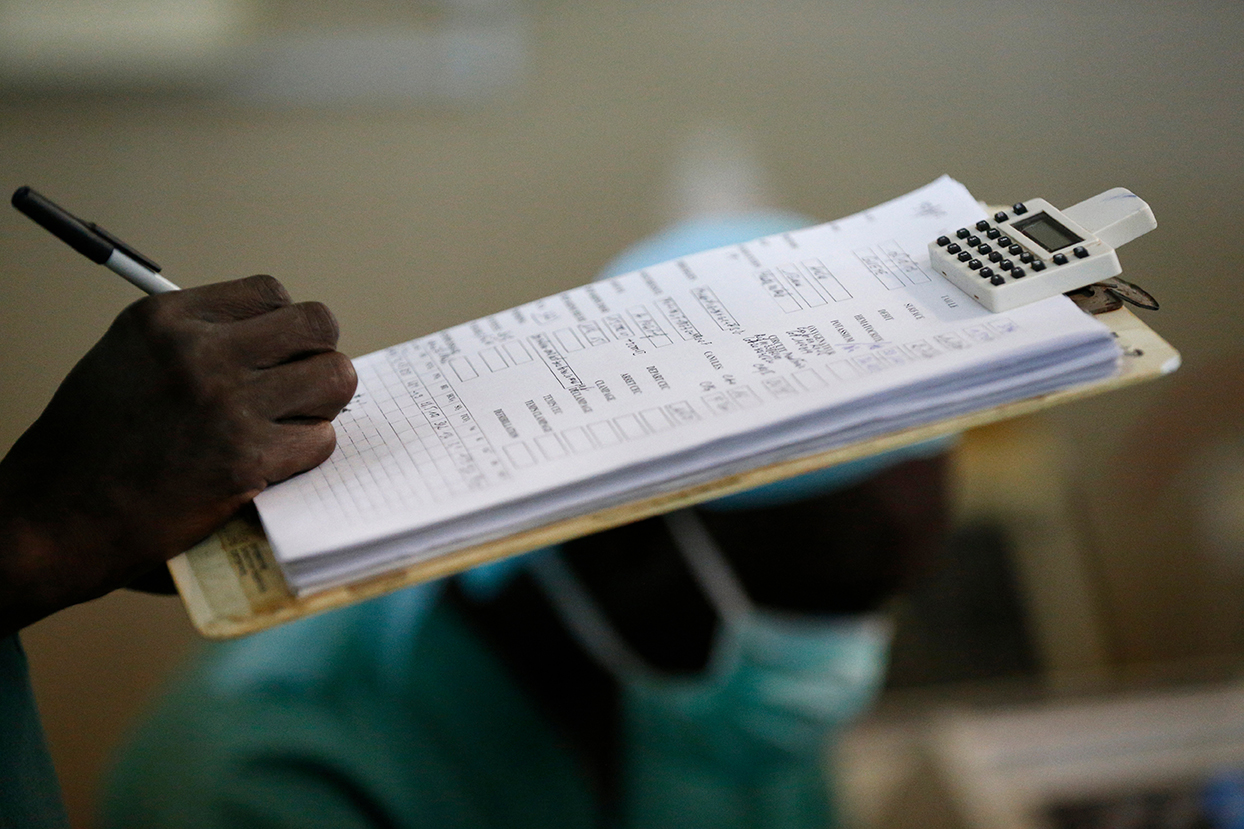
It didn’t take an army to do this work. It took effort: we had to scrape databases, talk to implementers, and triangulate funding sources. Our analysis also leveraged decades of rigorous research and program evaluation efforts. But six people working in a spreadsheet could quickly identify dozens of programs that will save tens of thousands of lives if restored.
A transparent triage process like ours would have helped the administration ensure the preservation of life-saving aid.
Instead, the freeze took effect almost indiscriminately. The result is that clinics have gone dark. Stockpiles are sitting unused. Research findings are vanishing. What we and our partners have worked to untangle in this moment of urgent response is what can be done right now. Check out PRO’s page for what’s still possible.
Evidence can point to programs with the strongest track records of preventing deaths. Beyond addressing immediate, urgent needs, the State Department has a critical opportunity to allocate resources to interventions that have demonstrated cost-effectiveness. In a resource-constrained context, evidence-informed prioritization is measured not just in dollars, but in lives that could be saved.