The current picture of US foreign assistance suggests that the status of operations is in even worse shape than expected from the scale of the cancellation of awards announced in March and the rescissions package passed in July. Not least, obligations and payments are running considerably behind where they should be, even accounting for those contract, grant, and budget cuts. But the picture is confusing: there is evidence that Congress has been given only a partial view of the status of awards, while new obligations are hard to track and major reporting gaps remain for the delivery of lifesaving assistance. Congress should insist on greater transparency regarding the use of taxpayer dollars.
Patchy awards data
While USAspending.gov seems to be catching up in reporting on cancelled projects and (limited) new obligations and outflows, stakeholders still have to rely on leaked lists of retained and cancelled awards to understand which sectors and countries have seen the greatest cuts. Those lists suggest that Congress has been inadequately informed as well.
For instance, comparing a spreadsheet of cancelled and retained awards sent to Congress in late March to a more recent list of awards being transferred from USAID to the State Department suggests that the first list had omitted data and that a number of decisions have been reversed.
The list sent to the State Department includes a number of retained projects that were still “under review” in March, which apparently was not made clear to Congress, with an obligated value of about $1 billion. Meanwhile, 29 awards with $1.4 billion in obligations Congress was told would be kept appeared to be cancelled, while 39 awards with an obligated value of $1 billion have reportedly been reinstated. It is all still educated guesswork to understand what the cuts imply in terms of delivering service in particular sectors and countries.
Some money is flowing, but it is hard to tell where
Filtering on the main development-related program activities in USAspending.gov suggests that, as of mid-July, there have (still) been no new major awards in calendar 2025 related to delivery (as opposed to core operations).
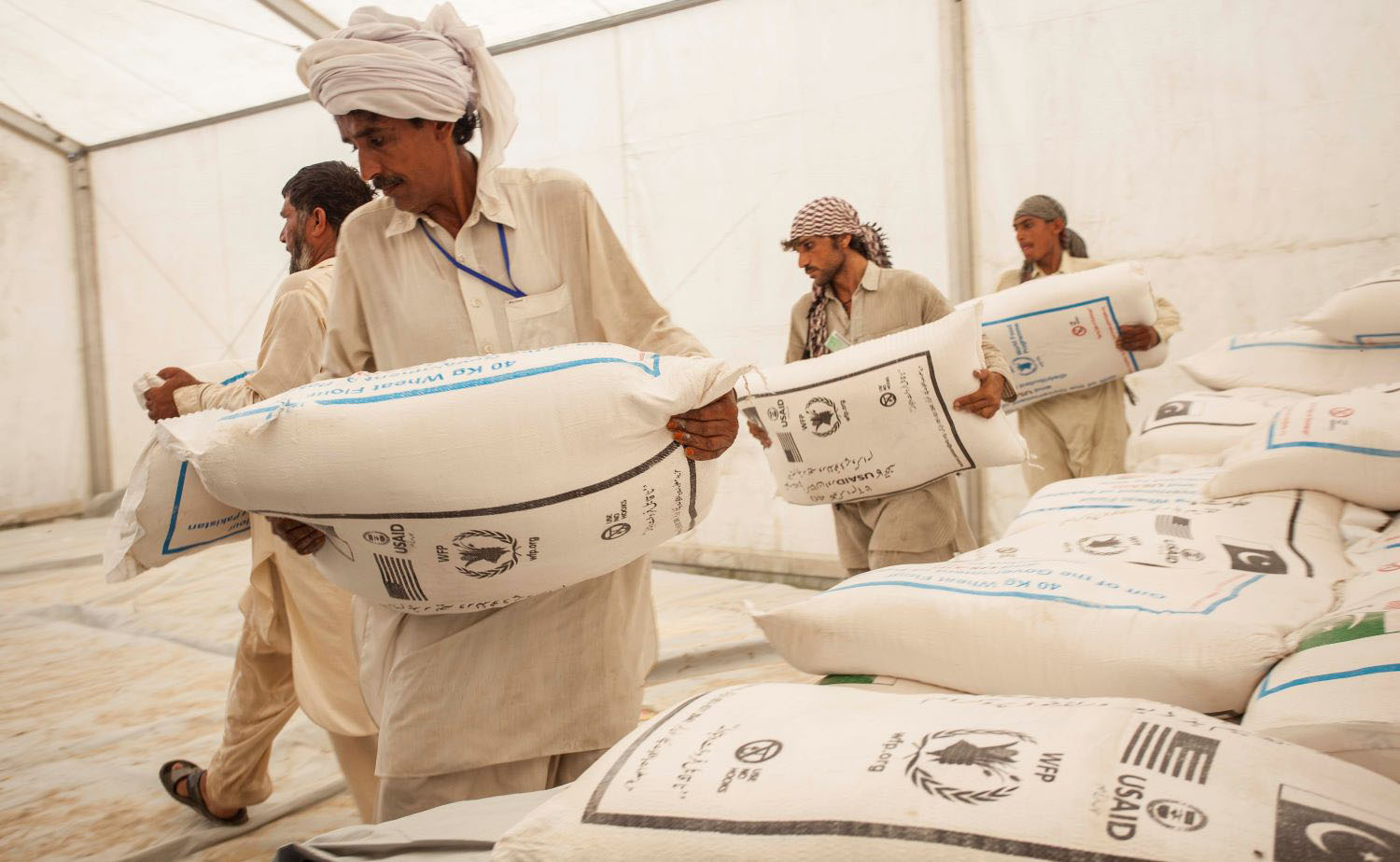
The need for new awards is particularly acute with regard to humanitarian response. The $93 million recently announced in financing to UNICEF to transport and distribute stockpiled ready-to-use therapeutic food is a very small part of the resources required to respond to what FEWS-NET reports as worsening situations across Sudan, South Sudan, and Ethiopia, where the World Food Programme, UNICEF, and nongovernmental organization partners are already reducing ration sizes due to funding constraints; as well as food security in Gaza continuing to deteriorate from what it reports as “already extreme levels of starvation.”
And at the moment, there is no sign that new award issuance or greater transparency will come back in the short term. The opportunities listed on USAID and the State Department on SAM.gov, the government’s contracting portal, does include one to provide legal support to the USAID Office of the General Counsel (intriguingly the contract is anticipated to have a period of performance of up to five years). But a search found no sign of any advertised contracting opportunities for a major development initiative. Replacing a tennis court with a pickleball court for an Embassy residence in Athens is apparently a more important use of limited State Department contracting capacity than starting to rebuild the pipeline of humanitarian and development activities with competitive awards.
Since January, USAspending.gov has recorded $5.1 billion in new obligations to existing awards under the main development-related program activities. The largest are a payment to the Global Fund for $1.3 billion, to Chemonics for malaria work for $416m, to the World Food Programme to support Syrian refugees for $65m, and to ABT Global for malaria work for $54m. There is also a late-May adjustment to strengthen the supply chain and delivery of HIV medications in Kenya, hopefully mitigating some of the harm caused by earlier cuts to delivery in that country. These obligations are a sign that, unlike humanitarian and development spending, global health spending is getting back on track. But there is little detail on the nature and scope of the award changes.
A confusing budget picture
Alongside limited data on the implications for particular programs given the significant overall slowdown in obligations, there is no detail as to where rescission cuts will fall, nor on how the administration intends to spend funds to avoid impoundment. Two out of the four largest foreign assistance accounts have a significant issue with unspent funds: as of July 21st, the Development Assistance and Economic Support accounts had over $5 billion in unobligated discretionary funding due to expire at the end of the fiscal year. (Recent rescissions to these accounts exclusively cut 2025 funding, none of which is expiring.)
Table. Expiring foreign assistance funds
| | Expiring | Total funds available |
|---|
| Disaster Assistance | 0 | 6,893,569,800 |
| Development Assistance | 3,273,558,241 | 7,391,561,177 |
| Global Health Programs | 4,284,520 | 11,282,718,283 |
| ESF | 2,007,726,836 | 5,995,985,368 |
Data as of July 21st, Source.
The data sources on delivery are down
Perhaps the biggest challenge to a clear picture of the state of US foreign assistance is that the data sources on foreign assistance delivery remain largely offline. For example, there were rumors that PEPFAR would soon resume reporting on at least some service delivery under the program, but that has been delayed.
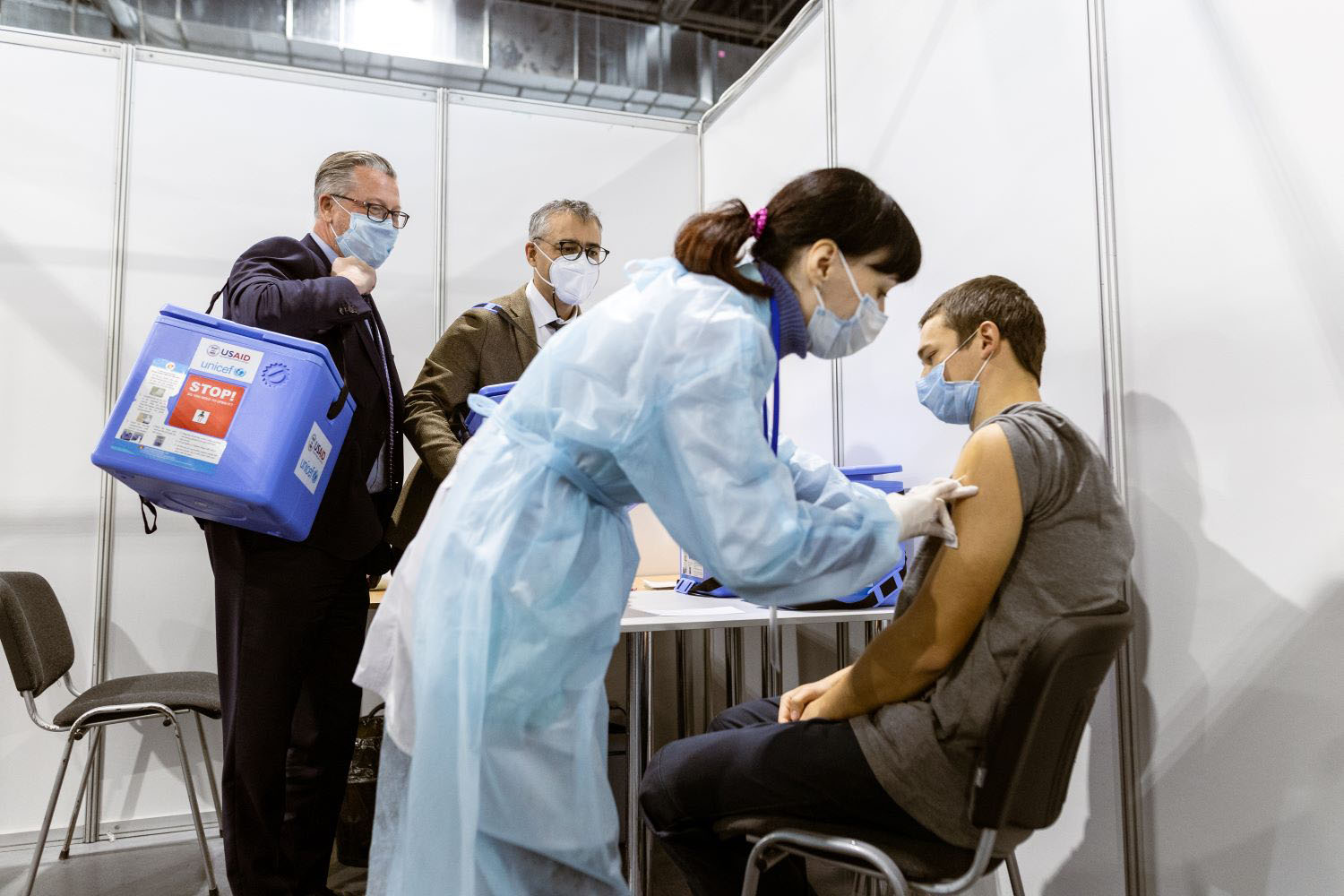
In the meantime, in the absence of data from PEPFAR, an April survey estimated eight countries were at risk of running out of adult or pediatric antiretrovirals (ARV) and ten countries at risk of stockout of advanced HIV disease commodities. By the end of March, there were reports that thousands of health workers across Africa had been retrenched due to the cuts, leading to major service disruptions. An analysis of cancelled awards suggests they supported more than ten million HIV tests in FY2024, or 31 percent of all USAID-supported HIV tests that year. Terminated grants also covered nearly 2.8 million people on HIV treatment (39 percent of USAID’s total), and about 90,000 pregnant women on antiretroviral therapy (40 percent of the total in 2024). And a recent analysis by researchers in Mozambique reportedly showed a 38 percent year-on-year decline in viral testing through February, and a 37 percent decline in treatment initiation between February 2024 and May 2025. Whether there has been any rebound since then is impossible to estimate without updated PEPFAR data.
The situation is similar for malaria programs. The PMI.gov website is still down, leaving little public information on the status of US-funded projects. The Roll Back Malaria partnership reports that bednet campaigns in Nigeria, Tanzania, and Rwanda are off track, while the campaign in Zimbabwe is at risk. All four of those countries rely heavily on PMI (and the Global Fund), and together they represent half of the countries depending on PMI funding that had an active campaign. Six out of seven countries reliant on PMI funding with ongoing seasonal programs providing antimalarial drugs to children see those campaigns at risk or off-track, as well as four out of seven countries reliant on PMI funding with ongoing indoor spraying campaigns. Funding may now be in place to cover these gaps, but there is no data to evaluate that claim.
In addition, the cancellation of the Demographic and Health Surveys, as part of the aid cuts, removed one of the best tools for tracking long-term outcomes including child and maternal mortality across the developing world. That data not only helped to target US foreign assistance to save more lives, but also provided a reliable way to measure the longer-term results of US foreign assistance programs—as well as the impact of the terminations.
Congress should demand transparency
Congress was given assurances about the continuity of lifesaving assistance, and that lives would not be lost from the cuts. Sadly, that has not been the case. Lawmakers were given lists of cancelled and retained contracts that were incomplete and quickly outdated or inaccurate. And while Congress may be lacking information, taxpayers have even less clarity on how, and to what effect, their dollars are being spent.
At this point, transparency is urgent. With so few new awards coming and the growing number of awards reaching their closure date, Congress needs to know what is being done in terms of amending, expanding, and extending existing awards to keep services being delivered —especially with regard to lifesaving assistance. It is equally critical to revive the tracking mechanisms for delivery and outcomes to ensure those awards achieve results.
The best way to know if America’s foreign assistance institutions are doing their job delivering the programs that Congress has authorized, without waste, fraud, and abuse, is to be able to know if beneficiaries are receiving the support they should. Right now, Congress and taxpayers have no visibility on what the foreign assistance system is trying to accomplish, let alone if that is happening. That’s just not a tragedy for the people who depend on US aid—it is also a serious derogation of responsibility by the executive branch. Congress should demand both action and proof of action.
Thanks to Erin Collinson for advice and guidance.