Recommended
Blog Post
Household Preferences in the Ghana School Feeding Programme
“We need to feed children and feed the soil.” With that simple but powerful phrase, Namokolo Covic of the International Livestock Research Institute captured the central challenge facing governments today. She spoke at the Rockefeller Foundation-led Nourishing the Future through Regenerative School Meals convening ahead of the 2nd UN Food Systems Summit Stocktake in July 2025, where governments, coalitions, implementers, civil society, academia, and development partners came together to wrestle with this very question.
The issue at stake, how to ensure children are fed while restoring the ecosystems that sustain agriculture, extends well beyond a single convening. For low- and middle-income countries (LMICs), the challenge spans political economy, implementation capacity and coordination, among other issues, but it also partly comes down to a financing question: how can they fund school meals in ways that simultaneously nourish children and regenerate soils?
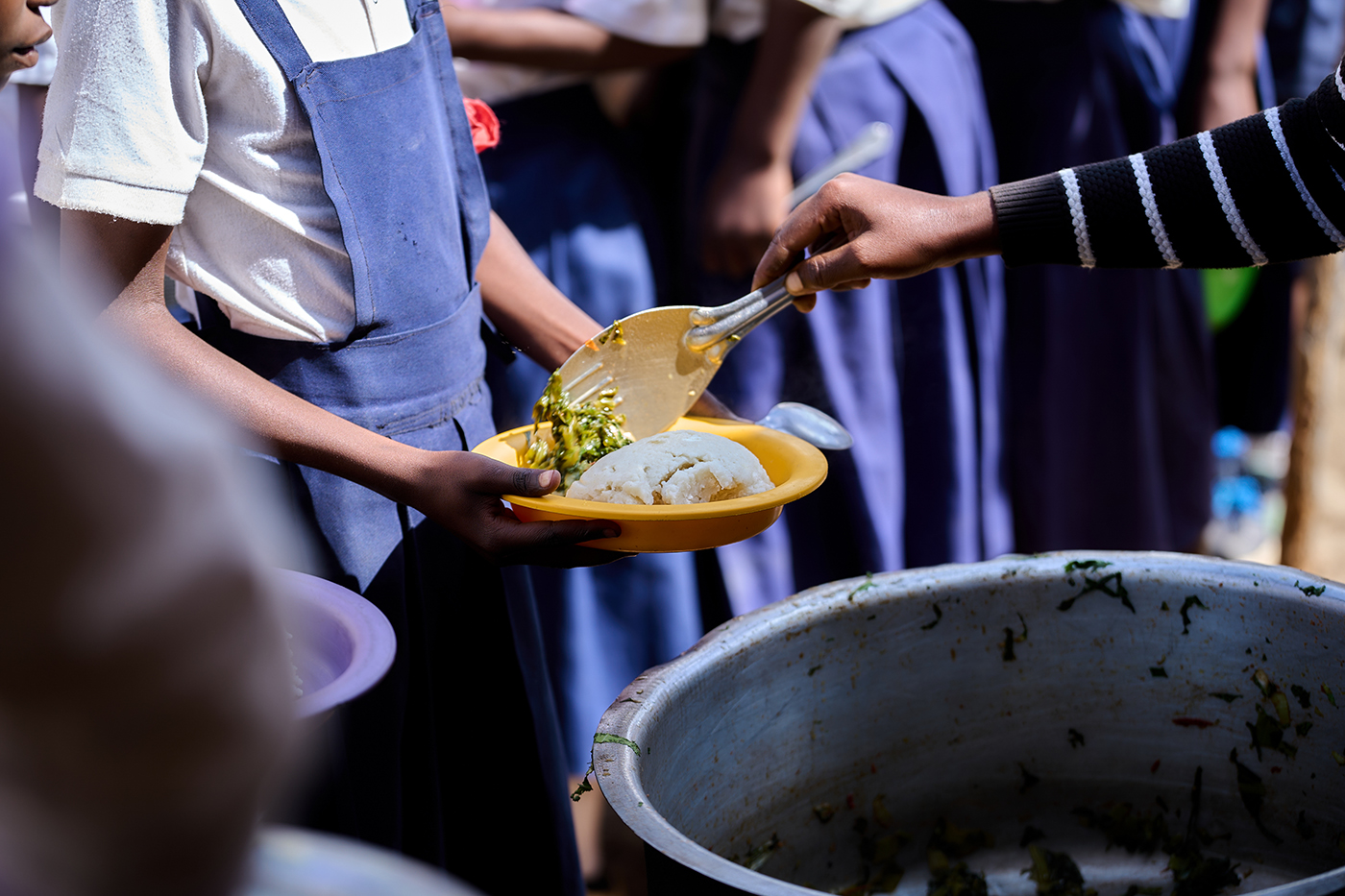
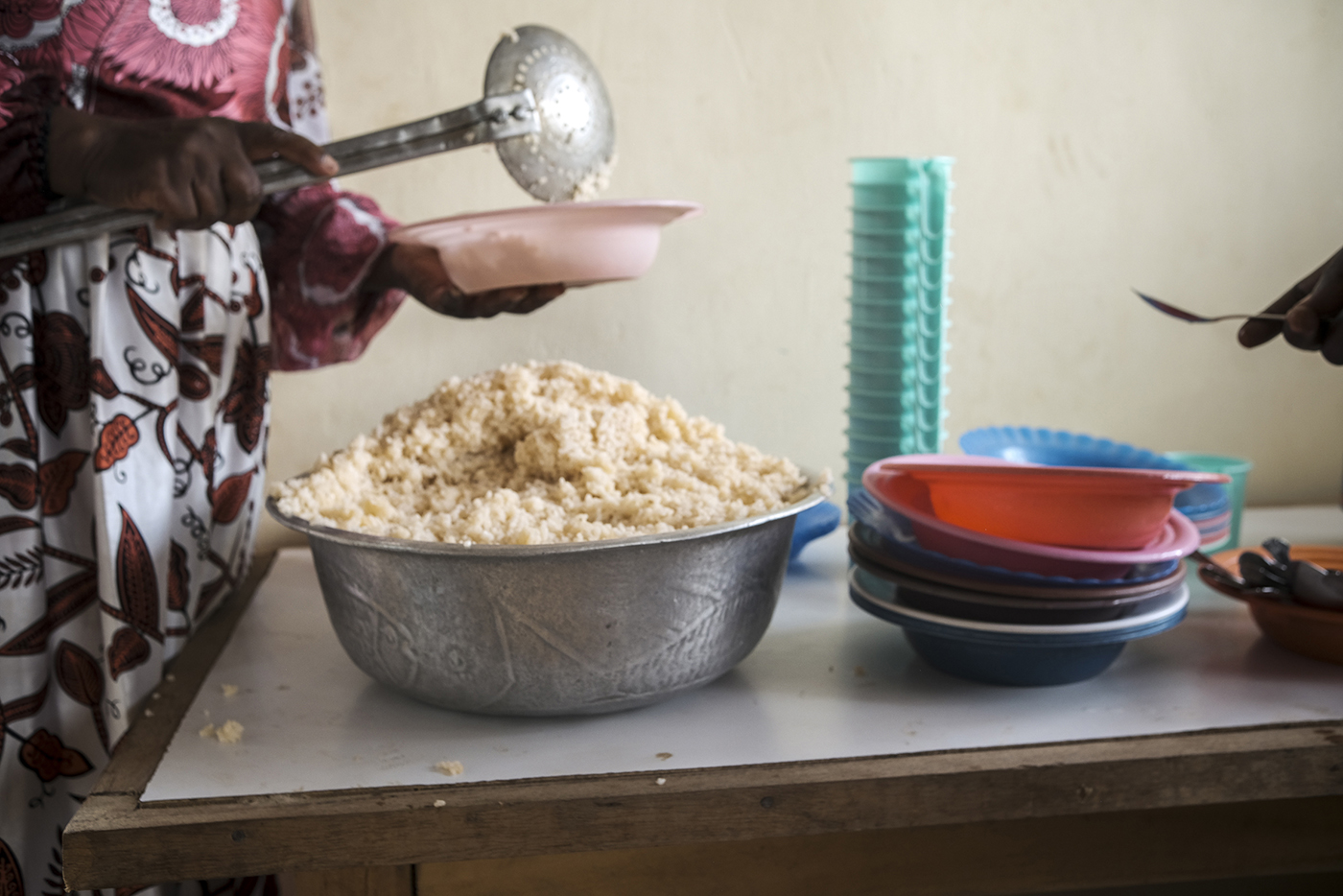
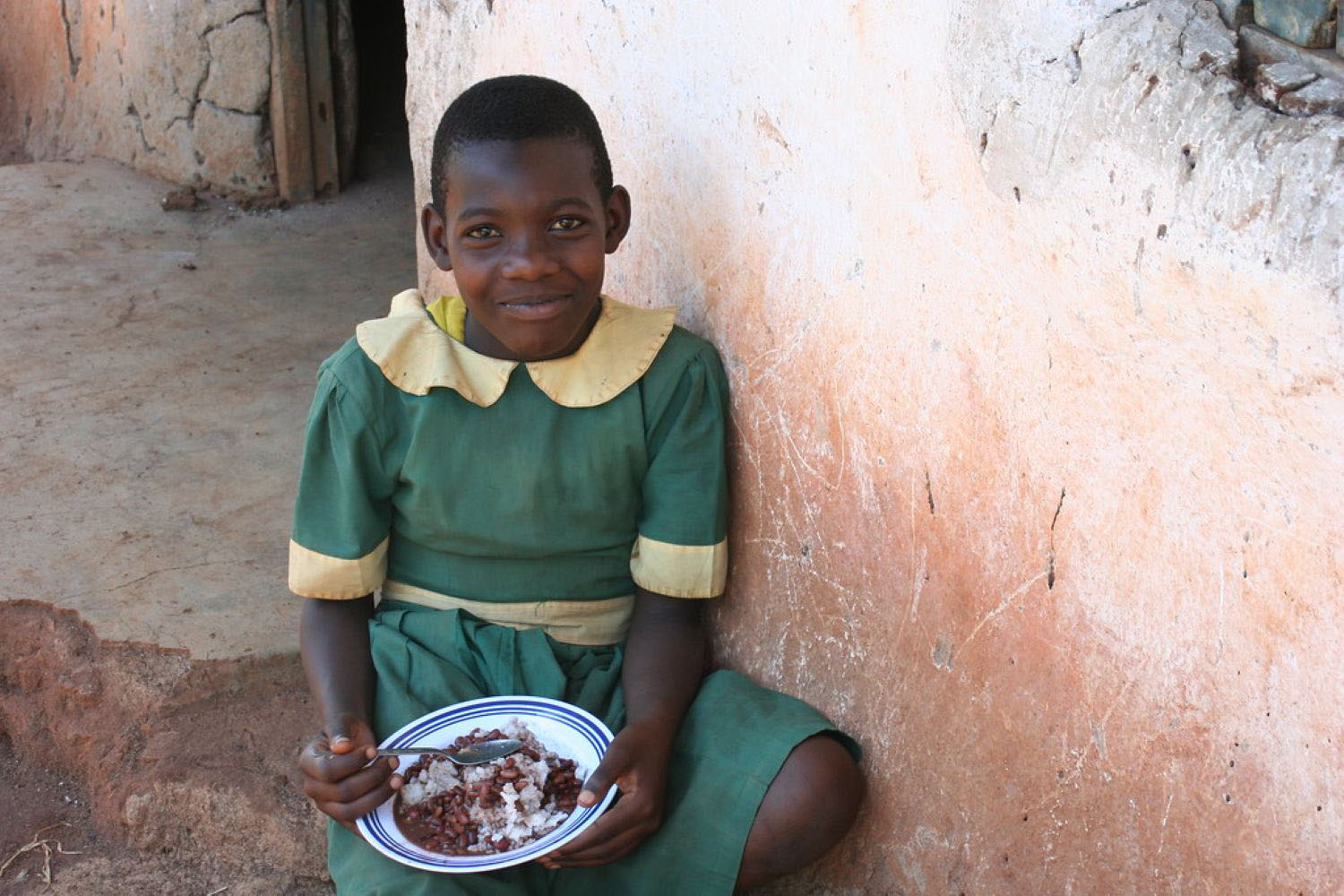
Think of the 418 million children worldwide who receive meals at school every day, at a total annual cost of USD 48 billion. These programs are more than just a way to feed children; they are a powerful lever for governments to steer food systems toward sustainable agricultural practices. If school meal procurement could help drive the transition to regenerative agriculture - farming practices that restore soil health, preserve biodiversity, and reduce emissions - the impact would ripple across biodiversity, climate, farmers’ livelihoods, and children’s nutrition.
The question is whether governments can build the bridge while crossing it, by continuing to provide meals to those 418 million children while expanding reach to those who are still left out, and using these very programs to drive the transition to regenerative agriculture.
School meals - a lever for catalyzing regenerative food systems
Rapid population growth is driving demand for higher yields that are delivered through conventional agriculture practices which tend to overuse land, exhaust soils, deplete biodiversity, and increase emissions. As a result, food systems are pushing hard against planetary boundaries, with climate impacts making agricultural yields increasingly volatile. This is why the call for regenerative agriculture is more urgent than ever.
School meal programs give governments a powerful lever to influence local agricultural practices through large-scale public procurement of food. Many governments already intend to use school meal programs to foster agricultural development, particularly with the incorporation of smallholder farmers in school meal procurement. In fact, more than two-thirds of the programs in low-income countries, covered by the latest round of the Global Survey of School Meal Programs, include agricultural development as an objective (Fig 1). Among programs that have been tracked over time, agriculture has become the most frequently added objective of school meal programs, with 12 out of 50 programs adopting it between 2018 and 2023.
This trend likely reflects the growing recognition of the role that local procurement can play in strengthening both school feeding and broader food systems. For many countries, aligning school meals with regenerative agriculture could be a natural next step.
Figure 1: More low and middle-income countries (LMICs) are investing in school meals to transform their agriculture
The transition and scalability challenge
In many low and middle-income countries (LMICs), school meals are already underfunded. Budgets often struggle to match multiple goals such as: expand coverage, improve dietary diversity, and increasingly, support local agriculture and rural livelihoods. Procuring regenerative foods could potentially increase complexity, requiring not only new technical expertise and financial support, but also the revitalization and popularization of indigenous and traditional knowledge that has sustained regenerative practices for centuries.
Most school meal programs in low-income contexts are designed primarily to alleviate short-term hunger. Beyond addressing hunger, this is also the main pathway through which school meals are expected to influence learning outcomes. A rapid shift to sourcing from regenerative agriculture could jeopardize this politically important goal if supply can’t meet the demand. Therefore, a phased approach is critical - expanding the share of regenerative foods in school food procurement along with growing supply, to safeguard both the quantity and quality of meals throughout the transition. If school meals funding is strictly deployed to prioritize procuring food at the lowest cost, governments risk locking programs into extractive food systems, while overemphasizing the procurement of regenerative foods too quickly, might risk leaving children without meals if supply does not keep up with demand. Governments must then thread the needle, ensuring children are fed today, while steadily nurturing the regenerative food systems that will feed them tomorrow.
One short term solution for achieving that balance, is to strengthen local economies of scale—for instance, by organizing smallholders into cooperatives. This can increase the efficiency of the supply-side support needed to expedite the transition to regenerative agriculture and help farmers overcome coordination problems that may limit economies of scale. On the demand-side, it can also make school meal procurement more manageable.
Making the investment case
As budgets tighten, the governments face a trade-off between coverage and quality that will inevitably surface during the transition. So, leveraging school meals programs to promote regenerative agriculture requires a compelling investment case. The challenge is that this initiative spans two domains: school meals and regenerative agriculture with benefits that are diffuse, cross-sectoral, and often realized over the long run.
When making the case, how we count the benefits is as important as how we count the costs. Regenerative sourcing in school meals yields long term returns and positive spillovers, from improved soil health and more resilient yields, to a sustainable school food supply that withstands climate impacts, lower emissions, stronger local economies and better child nutrition. These cross-sectoral benefits must be valued properly for the investment to make economic sense.
Nutritional quality should also be a central performance metric. Research from CGD shows that local sourcing, which is closely linked to regenerative agriculture, can be more cost efficient once costs are adjusted for dietary diversity. This implies that the economic case for regenerative agriculture strengthens further when dietary diversity is treated as a core output of school meal programs.
Unlocking innovative financing for regenerative school meals
Fiscal pressure has historically been a catalyst for financial innovation. Even in today’s fiscally constrained times, LMICs still have options: a range of innovative financing mechanisms can be mobilized both to expand programs and to pilot regenerative sourcing.
A recent paper from the Sustainable Financing Initiative for School Health and Nutrition identifies innovative financing mechanisms that could unlock new and additional financing to scale school meal programs. Supporting this, a regenerative school meals financing toolkit commissioned by the Rockefeller Foundation, maps out financing options that could enable governments to both strengthen regenerative food systems and national school meal programs.
Domestic financing
Countries are already putting these financing mechanisms to work. Domestic mechanisms, such as allocating greater general government revenues, the use of health taxes (e.g., Sao Tome and Principe), and earmarking of natural resource revenues (e.g., Bolivia and Paraguay), tend to be the most sustainable since they align recurrent revenues with expenditures. Governments can also use other domestic measures to create “budgetary space” - as has been done in the health sector - through improved public financial management, including actions like addressing spending inefficiencies (e.g., repurposing of subsidies), employing results-based budgeting and improving budget execution.
International financing
While these domestic measures provide a strong foundation for sustainability, international mechanisms such as debt swaps (e.g., Mozambique), loans or grants from multilateral development banks, thematic bonds (e.g., Benin), and blended finance facilities, can play a complementary and catalytic role providing bridge mechanisms to support governments to scale and improve the quality of their program while domestic reforms take hold.
Emerging financing approaches
Newer mechanisms are also emerging in the nascent regenerative school meals space. There are early stage discussions around establishing blended finance vehicles that combine public, private and philanthropic capital, to de-risk private investment in regenerative school meal pilots. At the same time, governments and development partners are paying greater attention to the financing and technical constraints facing smallholder farmers looking to transition. Here is where targeted support mechanisms such as access to finance, agri-insurance schemes, and technical assistance through extension services, can create the enabling environment to support farmers and cooperatives to make the transition and successfully provide schools with regeneratively produced foods.
Pathways to feeding children and feeding the soil
Examples from Brazil and South Korea show that it’s possible for governments to do both, financing large-scale universal school meal programs while strategically leveraging their purchasing power to catalyze a transition to regenerative agriculture. In Brazil, to facilitate the transition, federal school feeding regulations allow municipalities to pay a 30% price premium for agroecological or organic foods when no reliable market prices are available.
The lesson for LMICs is not to replicate price premiums directly, since fiscal space and political appetite are likely to be limited, but to focus on achieving “meal parity”, the point at which regenerative foods become cost competitive with conventional ones. Achieving this will require coordination between governments and development partners to develop a package of policy, financing and technical assistance support. Governments must provide the political and policy commitments, while development partners can de-risk the transition through pilots that convince governments they do not have to choose between expanding school meals coverage and investing in regenerative agriculture.
The real test is whether governments and development partners can act aligned. Until they do, we risk feeding children today while depleting the very food systems meant to nourish them and future generations tomorrow.
DISCLAIMER & PERMISSIONS
CGD's publications reflect the views of the authors, drawing on prior research and experience in their areas of expertise. CGD is a nonpartisan, independent organization and does not take institutional positions. You may use and disseminate CGD's publications under these conditions.
Thumbnail image by: sqofield135178/ Adobe Stock