As COP30 begins in Belém, Brazil, against a backdrop of tighter budgets, political headwinds, and a retreating US, questions remain over whether this summit can deliver real action on climate and development.
From the launch of a new tropical forest fund to efforts to build a carbon pricing coalition, CGD experts will be watching for signs of practical cooperation and innovation.
Whether economic policies needed for real climate action can be delivered
The key to tackling climate change is implementing the economic policies to drive action; and if these are broadly agreed, they avoid free-riding and so are more effective. There are two such relevant initiatives at this year’s COP. The first is the Tropical Finance Forever Facility (TFFF) proposed by Brazil—an idea first developed at CGD in 2018 by Michele de Nevers, Patricia Bliss-Guest, Kenneth Lay, and Michael Wolosin. I'm less optimistic than colleagues about the proposed finance model but there's real value in the proposal to transparently measure and fund preservation of the forest (as we’ve calculated, forest in the Congo alone is worth three quarters of a trillion dollars a year). That architecture is fundamental, even if the full financing comes later
The second area is around the idea of a carbon pricing coalition—the idea is that a group of countries would agree to take a common approach to carbon pricing and trade with support for developing countries to do so too (and avoid negative impacts from trade measures like the EU’s CBAM). This would generate revenue for countries and create clearer and stronger incentives for countries within and beyond the coalition to price carbon. In the past, climate clubs between countries have been formed but with no economic policy commitments. Brazil has indicated a carbon pricing coalition is a top priority and if it can make progress, this could be the beginning of creating real incentives for climate action, rather than relying just on goodwill.
– Ian Mitchell
Whether leaders will show political courage
At a time when traditional sources of finance for development and climate are under unprecedented pressure, I look forward to seeing how the deliberations in Belém will help reinvent financing for nature, people, and planet.
Of particular interest will be how technological and financial innovation are harnessed to support climate-resilient and nature-positive development agendas and priorities in lower-income countries.
Leaders will need to be bold if they are to catalyze increased financing for the energy transition in developing countries. Will they demonstrate the political courage needed to build the coalitions and alliances required to fight climate change, promote conservation, and protect biodiversity? Undoubtedly, some—particularly those reluctant to be seen as soft on national interests—will fall short. But I am cautiously optimistic that others will rise to the occasion.
– Daouda Sembene
Whether US disengagement changes much at all
The US has had a complex relationship with COPs for many years. Take climate finance: even recently, after the Biden administration considerably increased US climate finance, to around $11 billion in 2024, that was just eleven percent of what was then a $100 billion funding goal –one quarter or less of what most analysts consider its ‘fair share’ given historical emissions. And the global climate community has demonstrated it can make negotiating progress regardless: despite US withdrawal from the Paris Agreement during the first Trump administration, in 2018 the COP agreed the Paris Agreement Work Programme, for example. Perhaps even greater disengagement might even make negotiations easier.
– Charles Kenny
Whether COP30 will address adaptation finance and the needs of the most vulnerable
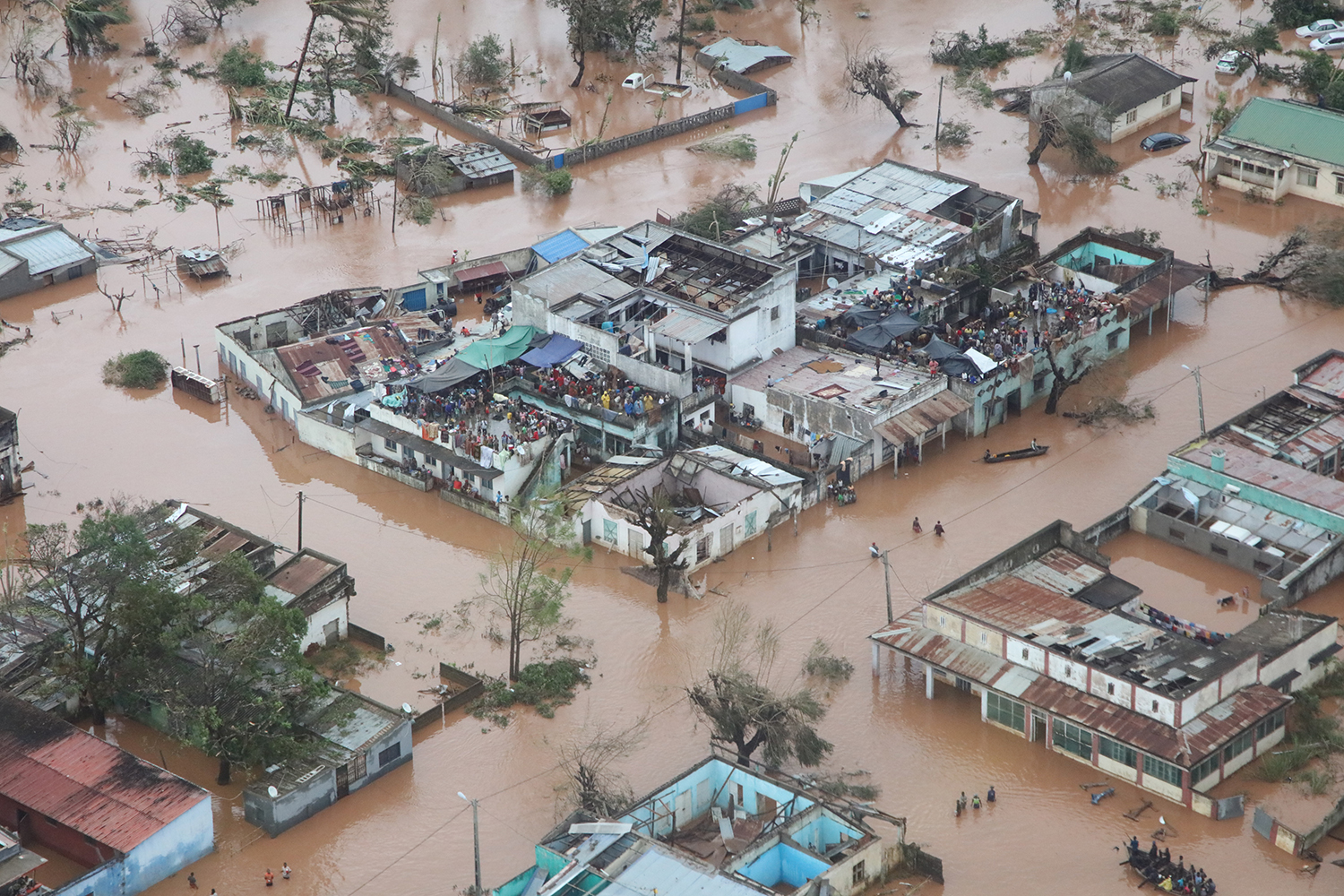
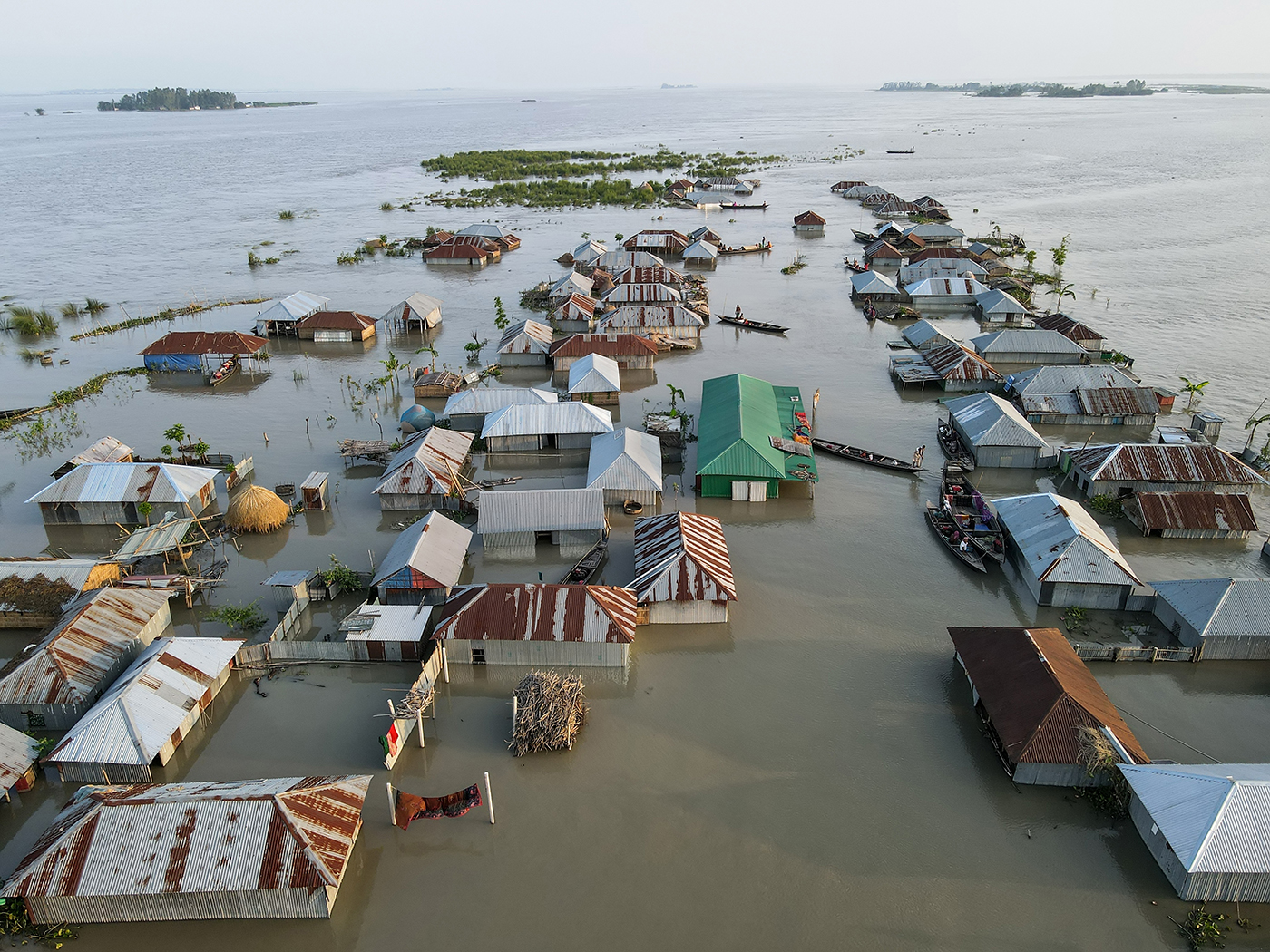
Brazil wants COP30 to be remembered as the COP of implementation and adaptation. Agreement of the much debated list of indicators to measure progress on the Global Goal on Adaptation would be an achievement, but I’ll be paying particular attention to adaptation financing. There were no specific adaptation commitments in the NCQG agreed last year, and as yet no goal to replace the commitment to double adaptation by 2025 agreed at COP26 in Glasgow. Developing countries are seeking a tripling in adaptation by 2030 (from 2022), and they are right to do so. Adaptation is critical to development, and has high returns with each $1 invested capable of delivering $10 in benefits. But I’d also like to see agreement on how adaptation finance can be better allocated and targeted, with greater recognition of the needs of LDCs, on which we’ve just published a new working paper.
– Jonathan Beynon
Whether the world’s biggest forest fund will get off the ground
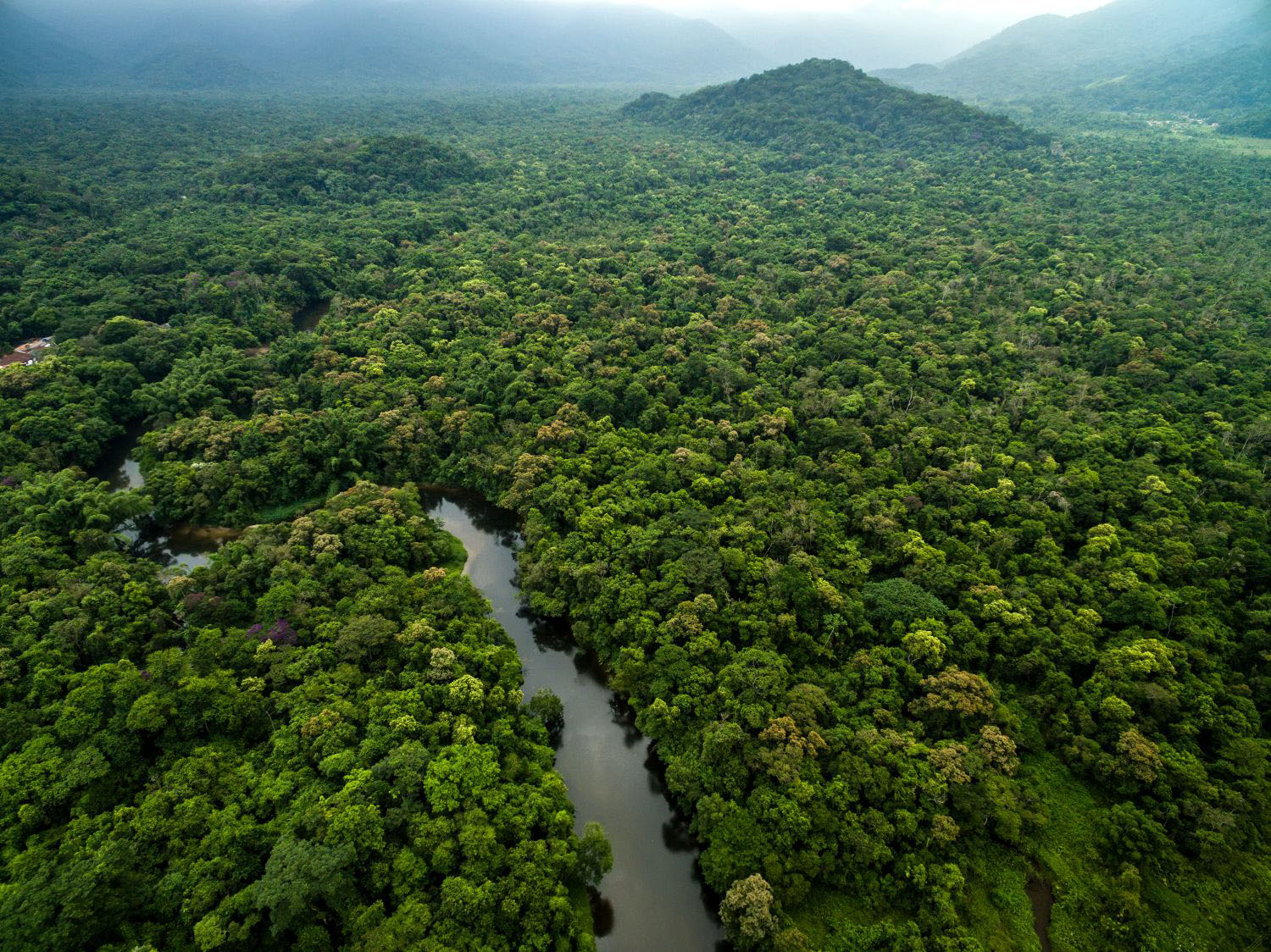
The Tropical Forests Forever Facility (TFFF) would be the world’s largest proposed blended-finance fund, a bold attempt to make standing forests more valuable than felling them. The TFFF aims to raise about $25 billion in low-interest, 40-year loans from governments and philanthropies willing to take the first loss if things go wrong. That concessional capital would then allow the fund to issue about $100 billion in senior debt to institutional investors. Investing in emerging-market bonds, the fund aims to earn more than its borrowing costs, freeing up about $3.4 billion to reward countries that curb deforestation. Indonesia, Norway, France and Germany have pledged commitments.
The big question is whether other nations will follow suit, and whether investors and rating agencies will judge a model based on arbitrage sound enough to back at scale. If it works, it could reset the economics of forest conservation.
– Samantha Attridge
Whether skill shortages will get the recognition they deserve
We are watching for increased discussion of the importance of addressing skill gaps hindering the green transition, and recognition of the role that labour migration policy needs to play as a complement to domestic training. The International Renewable Energy Agency (IRENA), in a pre-COP report, notes that ‘critical skills gaps’ are increasingly developing across sectors relating to clean energy buildout. We’re looking forward to the launch of IRENA’s Call to Action on Skilling, and to a new flagship report by Systemiq with the GIZ and others setting out how skill gaps can be mitigated in practice. This is a crucial task: another new study being presented, by the NewClimate Institute, finds that labour shortages could lead to the power sector overshooting its emissions targets by 12 percent by 2030 and more than 100 percent by 2045— increasing global warming by 0.7°C. This latter report recognises that labour migration will be key to preventing crippling labour gaps: others need to do the same.
– Helen Dempster & Sam Huckstep
Whether there will be new takes on tackling methane emissions
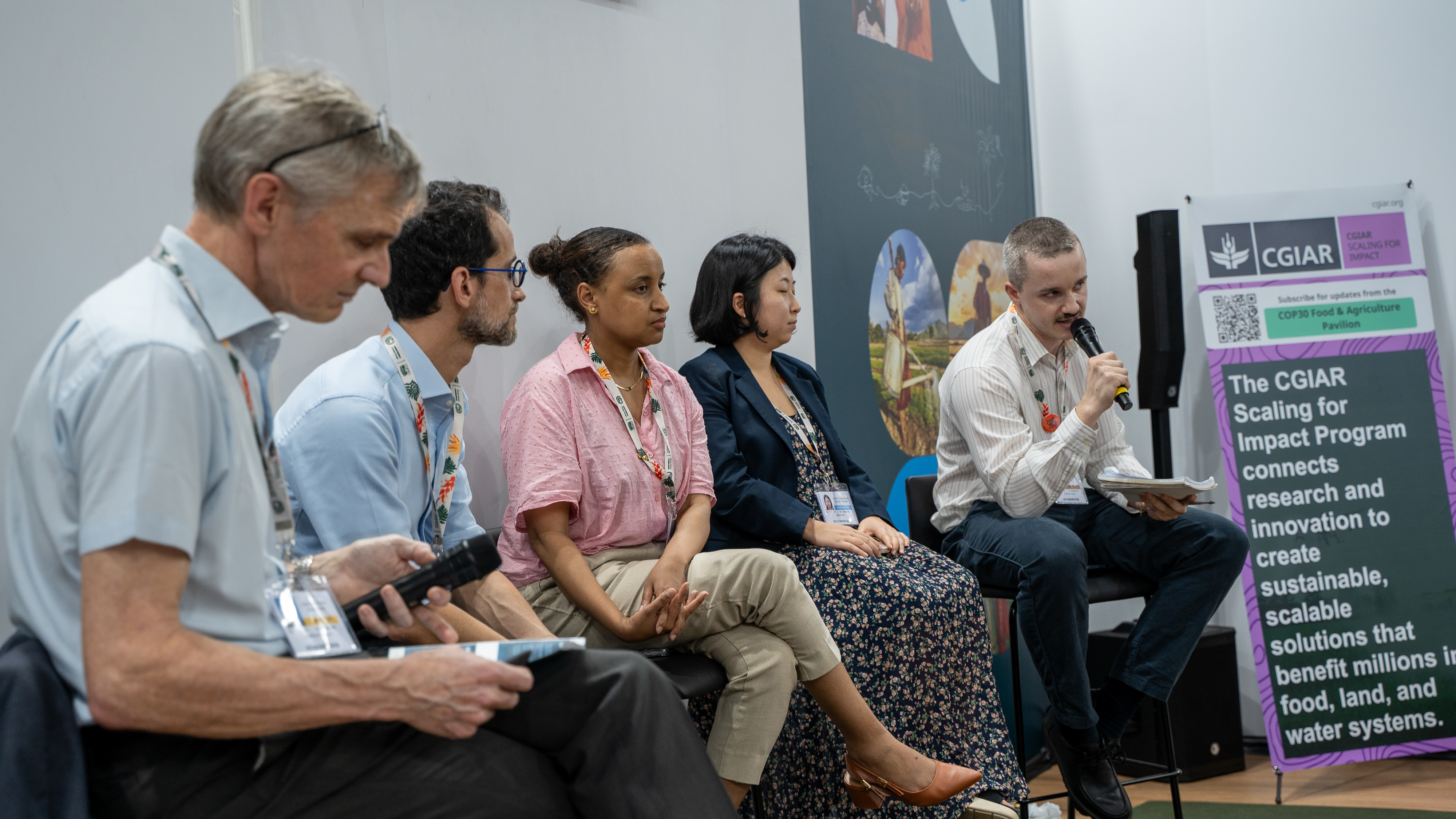
Reducing methane emissions may be the “emergency brake” we have to pull to halt climate change. That is why I am following with interest the Food & Agriculture Pavilion, with panels which brings together many of our partners working to align science, policy, and markets around innovations to tackle agricultural methane monitoring and reduction. Notably, livestock accounts for nearly 40 percent of global methane emissions. We are currently working in collaboration with The Nature Conservancy, Spark Climate, and the Global Methane Hub to design an Advance Market Commitment to tackle methane from livestock. We hope that COP panels raise awareness of potential innovations in this space and we look forward to developing a “pull” financing mechanism to help minimize the gap between the social and private returns to investing in these innovations.
– Xander Slaski