From signals to substance on development cooperation
Next week, the UK co-hosts its conference on the future of international development. Foreign Secretary Yvette Cooper will host the event, alongside South Africa, the Children’s Investment Fund Foundation and the UK’s impact investor and development finance institution, British International Investment.
There’s potential for new and helpful voluntary actions from the private sector; but governments remain the actors that matter. The government hopes to agree a “Compact” to signal shared intent to strengthen international cooperation; but the draft excludes practical commitments, and so I’ll be looking out for three things:
- Will the UK offer anything progressive on its own policy on development? It seems clear that this won’t involve more spending; but what about committing to publish evidence of what works, illicit finance; debt; access for students from low-income countries, or research and development (R&D) collaboration?
- Is there any sign that governments committed to multilateralism will better coordinate their strategy and approach (to counter those that do not)? As my colleague Mikaela Gavas notes below, this is a system in crisis—but even like-minded countries are continuing to operate in their national silos on which countries and institutions they support.
- Will there be an explicit link to the UK’s G20 agenda next year? There are some 120 developing countries that don’t have a seat at the G20 (now including co-host South Africa) but who fundamentally rely on the economic system it oversees. The UK could make a connection with the issues raised at the conference and its agenda next year.
The UK deserves credit for hosting this conference and engaging on the question of the future of international development (particularly at such a politically difficult moment), but as my colleagues note, it needs to be bolder and more practical in supporting the actual reforms that matter for development.
- Ian Mitchell
Will the conference bring greater clarity on the purpose of ODA?
International development finance is in crisis and the Global Partnerships Conference risks making it worse if it treats better branding as a substitute for structural reform. Official development assistance (ODA) from major donors is declining rapidly, with the four largest, including the UK, cutting simultaneously for the first time in decades. The instinct in the face of that decline is to reach for a more expansive narrative framed around new partnerships, cross-sector collaboration, moving beyond donor and to investor.
But the more we expand the narrative, the further we get from clarity around what ODA is intended for. Without that clarity, no amount of compact signing will rebuild the trust that has been lost.
ODA has been stretched to cover too many objectives at once. Poverty reduction sits alongside climate finance, refugee hosting costs, and geopolitical partnerships, all reported under the same metric, all competing for the same pot. The result is a system that appears to serve every priority and demonstrably serves none of them well. You cannot hold a system accountable when no one can agree what it was supposed to achieve.
That's the accountability trap the Compact must avoid. Voluntary commitments across finance, technology, and partnerships sound ambitious, but without a cleaner underlying architecture, they will simply replicate the problem at greater scale. Core development investment needs to be ring-fenced and defended on its own terms. Humanitarian response and global public goods financing are equally legitimate, but they need separate budgets, separate metrics, and separate political arguments. And partner countries need a genuine voice in assessing whether any of it has been delivered, not a seat at the table that was designed without them.
The test for this conference is whether the Compact establishes that architecture, or papers over it with the language of partnership.
- Mikaela Gavas
What does “systems support” mean in practice?
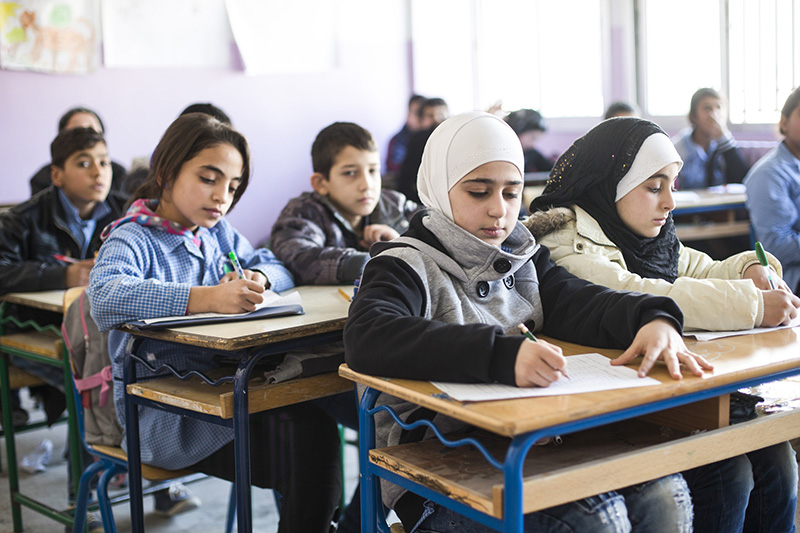
One of the UK government’s stated strategic shifts is from “service delivery to systems support”: i.e. moving away from directly funding specific schools or clinics and towards improving all government schools and clinics. I’ll be paying close attention to how attendees at the UK’s Global Partnerships Conference talk about this shift in practice, and what it means for the future of development cooperation.
The logic is clear. In most countries, domestic public spending now far outweighs aid flows. Helping governments spend those resources more effectively can have much more impact than financing parallel donor-run services. This fits with low- and middle-income country calls for aid funding to go through their government processes. But “systems strengthening” is a broad term that can mean very different things to different people. It can mean everything from flying a consultant in for two weeks to buying computers for civil servants to training teachers on a new way to teach.
What I hope we will get into is what kinds of systems support most effectively improves outcomes? How do we help countries have access to the data and evidence they need to effectively prioritize the most cost-effective investments they can make with limited resources? To me, evidenced-based prioritization across the whole system (ie government and donor funding combined) is the bedrock on which all other systems strengthening should be based. Governments of LMICs must be in the lead but donors can support governments in identifying the most effective uses of limited resources, supporting transitions towards more effective policies, and investing in evidence that improves decision-making over time.
- Rachel Glennerster
Will the UK set out a clear vision for global health reform?
The UK government have stated that reform of the global health architecture will be a key priority of the conference, and related events will happen in Geneva alongside the World Health Assembly. But what is the UK’s vision for the future here? Perhaps the conference will bring some much-needed clarity on this.
Superficially it appears committed to substantial change: officials are actively involved in all reform processes, and the Foreign Secretary noted in March “Everyone agrees that it needs to be simplified and streamlined”. But its actions suggest otherwise—it has provided very substantial funding to Gavi and Global Fund with no meaningful requirements for reform.
The UK has so far provided no public articulation of what its priorities are for reform or what its vision is for a better architecture. This may be a lack of transparency, or more likely, given its policies and actions don’t align, it speaks to a lack of internal agreement on its vision. We would like to see its vision better articulated during the conference. Specifically, the UK should commit to a lean WHO focused on its global functions, and a greater role for the Multilateral Development Banks s in broad health system financing, such as through an IDA Health Window.
- Pete Baker
Are the “root causes of migration” the right place to focus our efforts?
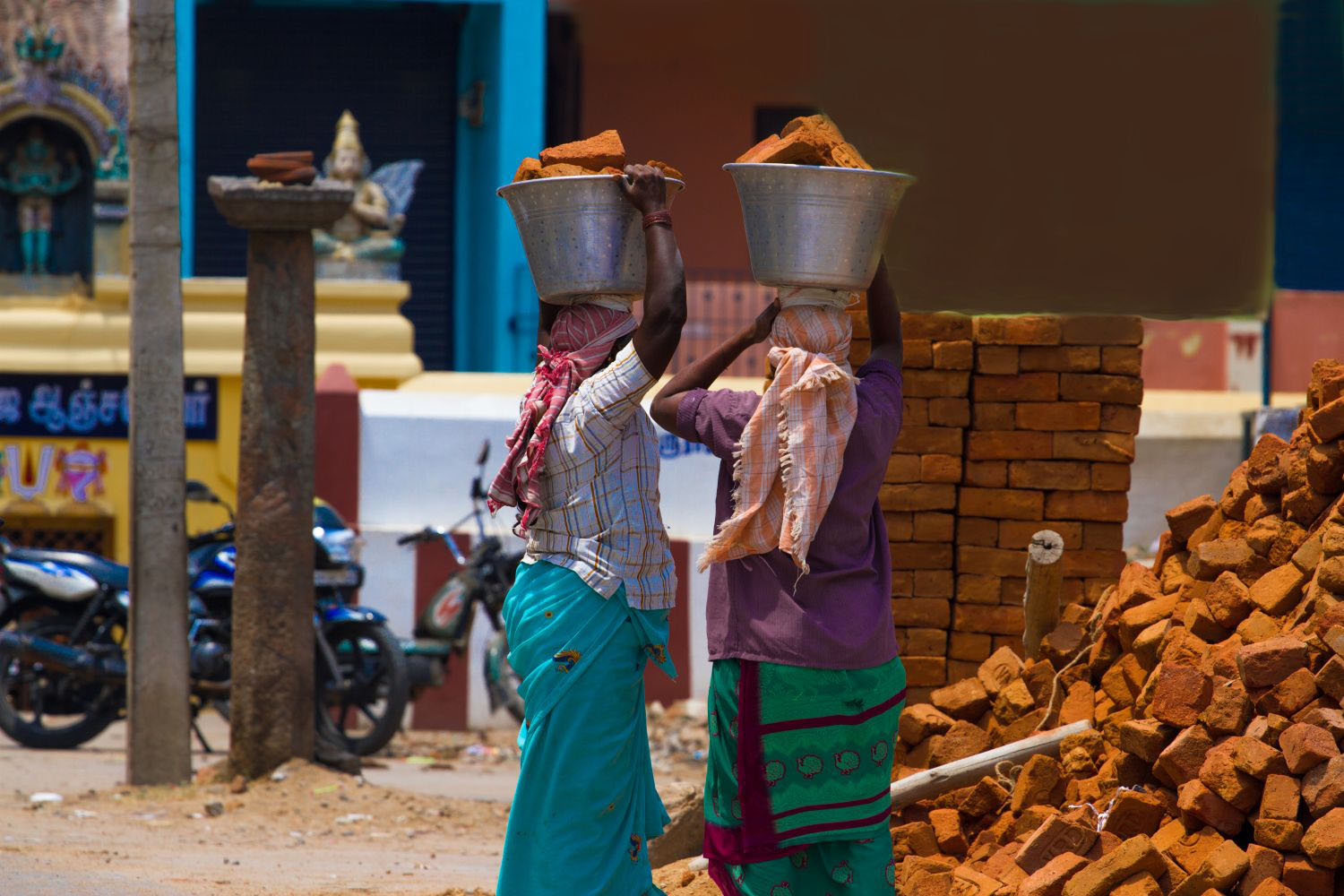
Without significant intervention, nearly 24 percent of young Africans will struggle to find work. At the Global Partnerships Conference, CGD is organizing a session with the World Bank on job creation and skills development. The primary question: How can we create meaningful and decent work in low- and middle-income countries, equipping people with the skills and opportunities they need to access sustainable livelihoods?
The implicit assumption is that if donors provide people with opportunities at home, they won’t need (or want) to move. Yet as my colleague Michael Clemens has demonstrated, emigration rates rise with economic development. Encouraging job and skills creation is good development policy, but is unlikely to reduce emigration rates, at least in the short-term.
And focusing on the “root causes of migration” has risks. Firstly, it’s hard to measure the impact any project has on emigration rates, and most don’t try. Secondly, we may cut ostensibly good development projects because they fail to have an impact on emigration intentions (or rates). Thirdly, we may undermine faith in aid; setting up projects to achieve a target we know they can’t achieve.
So, what’s the alternative? Recognize that job creation rates in low- and middle-income countries are unlikely to meet labour market demand. Support training institutions in these countries to produce quality graduates within high-demand sectors for employment at home and abroad, building the global stock of skilled talent.
This would lean into the “partnership” element of this conference, supporting the labour market export policies of countries of origin, while also leveraging our education-based soft power abroad. It is the definition of “aid in the national interest”; achieving the broader goals of our new development focus, while also recognizing the reality of human agency.
- Helen Dempster