June 30, 2026
Recommended
Blog Post
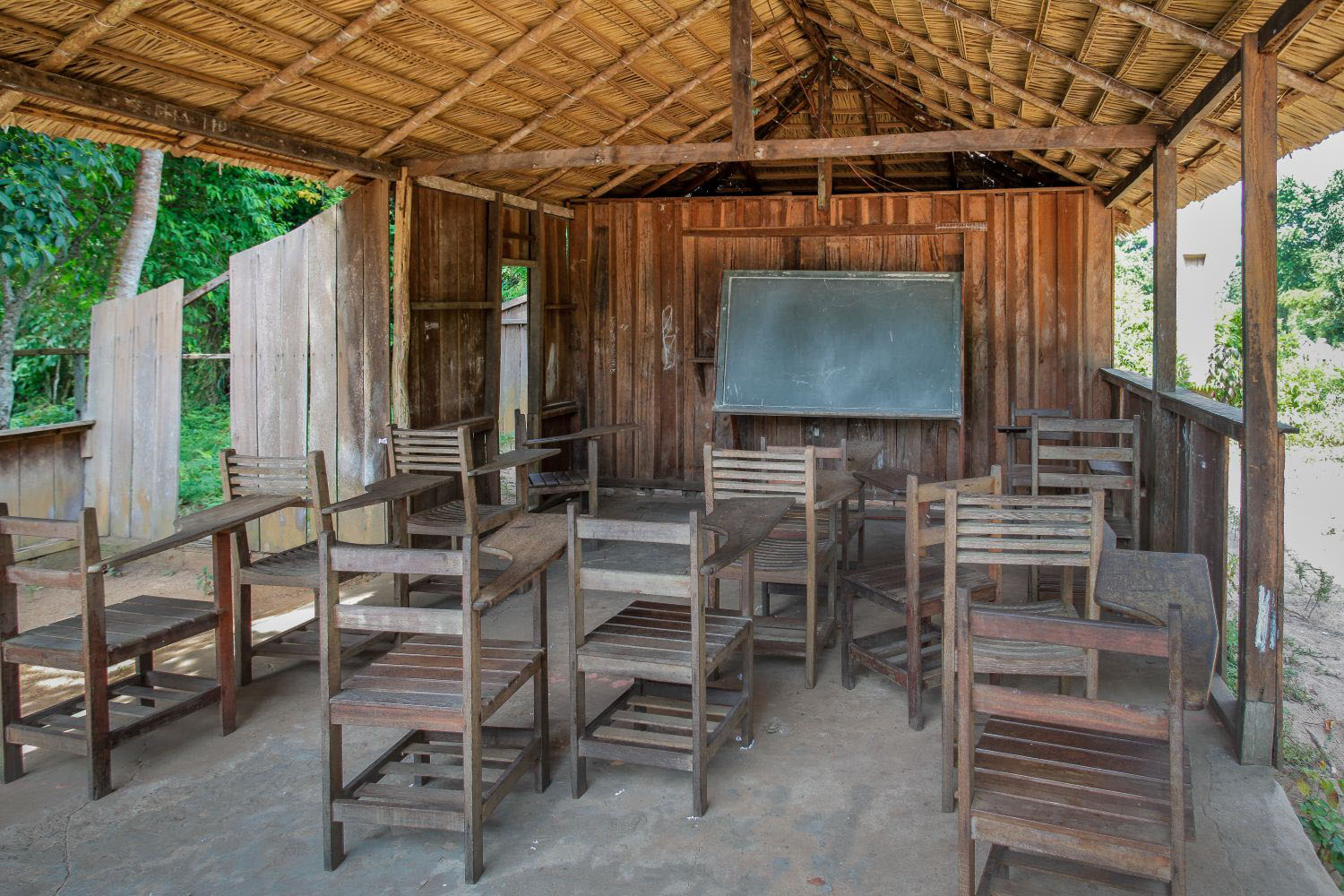
School-Related Violence Research: Where Next?
June 24, 2026

Blog Post
How to Reduce School-Related Violence
March 26, 2026
Blog Post
What Are We Learning about School-Related Violence?
February 25, 2026
Topics
CITATION
Smarrelli, Gabriela, Esme Kadzamira, Thi Le, and Tionge Saka. 2026. Advancing the Measurement of Violence in and Around Schools: Evidence from Malawi. Center for Global Development.DISCLAIMER & PERMISSIONS
CGD's publications reflect the views of the authors, drawing on prior research and experience in their areas of expertise. CGD is a nonpartisan, independent organization and does not take institutional positions. You may use and disseminate CGD's publications under these conditions.
Thumbnail image by: sqofield135178/ Adobe Stock