Recommended
Event
Second Annual Research Conference on Global Lead Exposure
HYBRID
June 03, 2026 5:00—10:45 AM ET | 10:00—3:45 PM BST
Event
How-To-Apply Guide for Research Grant on Lead Poisoning
VIRTUAL
November 07, 2024 12:00—1:00 PM ET | 5:00—6:00 PM GMT
WORKING PAPER
Schools in the Shadow of Toxic Sites
Blog Post
What We Are Learning About Lead in 2026
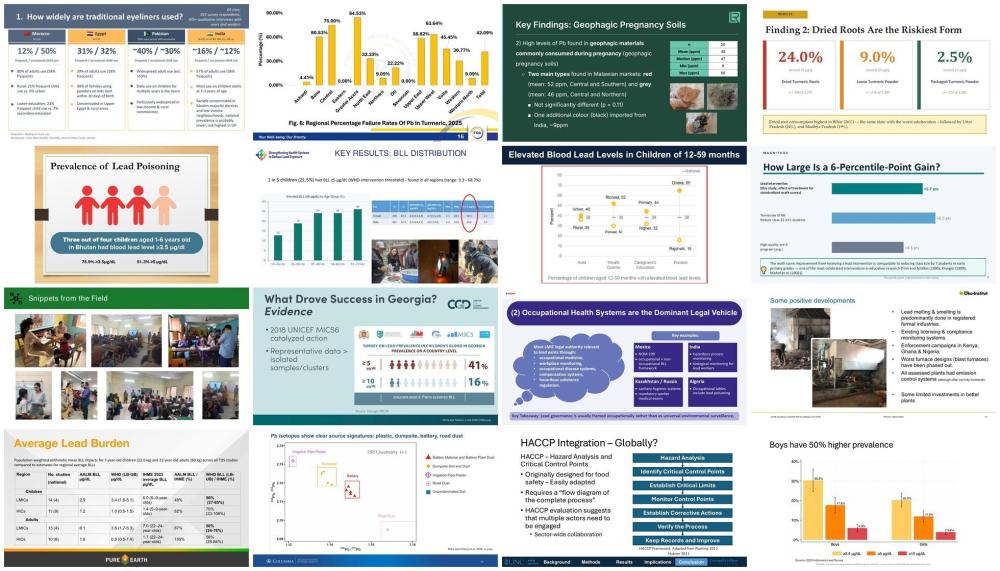
When we started working on global lead exposure, it felt like a dumpster fire—a huge, wild problem with no clear idea of its cause or how to fix it. After our Second Annual Research Conference on Global Lead Exposure, it feels like we’re now starting to see the shape of the problem in much higher resolution, along with a path to solving it. This year, there is a shared sense that the group at the conference may be able to actually solve most of this problem over the coming decade.
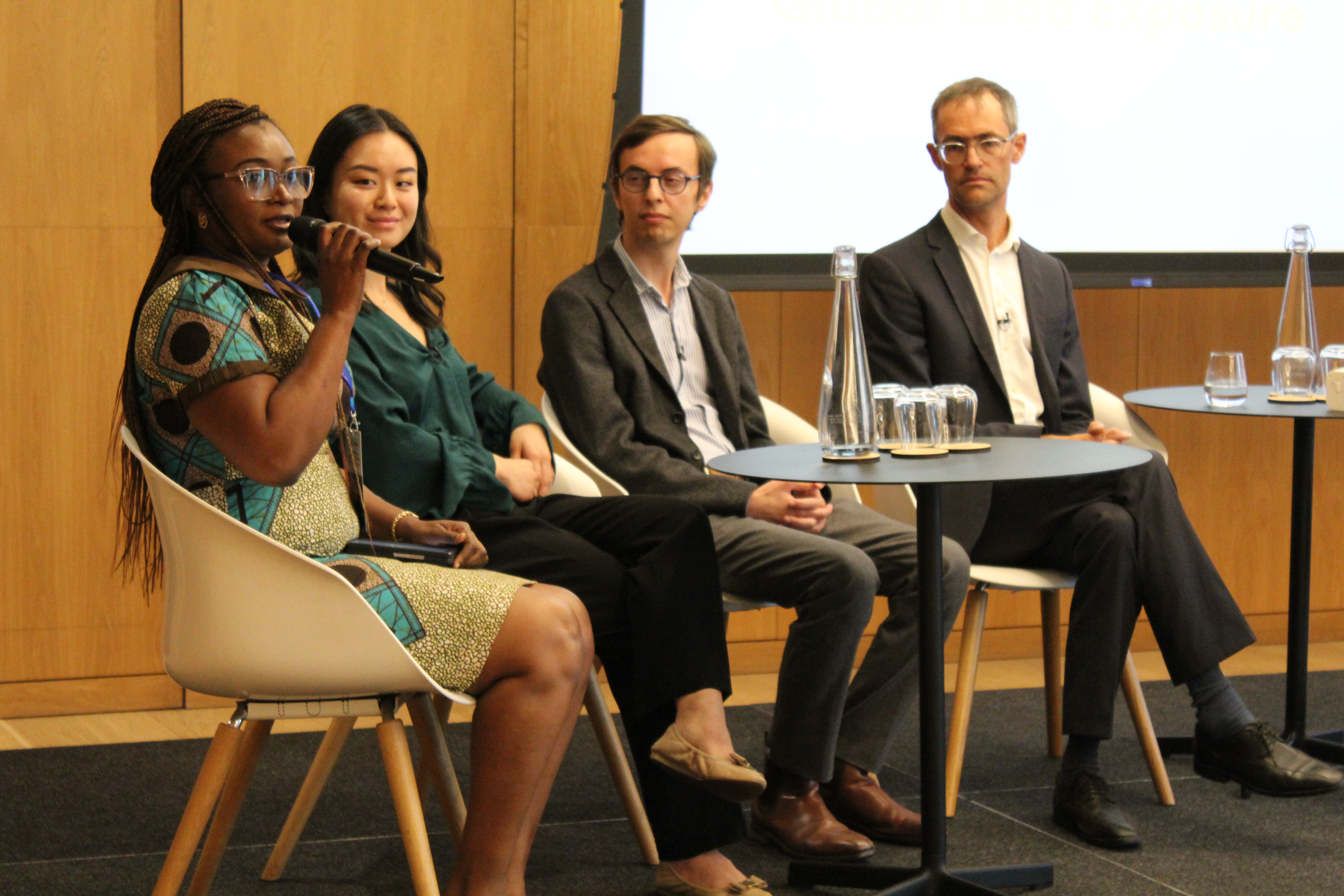
We moved the conference from DC to London this year, and it grew to 40 presenters from 14 countries, with a major focus on the sources of exposure and what to do about them.
The conference opened with a keynote from Phyllis Omido, Goldman Environmental Prize laureate and Right Livelihood Award recipient. Phyllis founded the campaign that won the Owino Uhuru community in Kenya a $12 million compensation award against the lead-acid battery smelter that was poisoning them. She set new precedents on the right to a clean environment under Kenyan law. Her testimony—about Sammy, Lynette, and Irene—was a reminder that the statistics that follow are about individual lives.
Just how bad is lead?
We had less research this year on the impacts of lead, as our confidence in these impacts and their scale grows. That said, Ana Navas-Acien presented an important new analysis on cardiovascular disease, using the US National Health and Nutrition Examination Survey (NHANES) to show the relationship has persisted even in recent decades at very low blood lead levels. An increase in blood lead from 0.5 to 1 µg/dL is associated with an estimated five additional heart disease deaths per 1,000. These effects drive the bulk of the overall burden of disease from lead exposure. Jyoti Yadav also presented plans for new surveys in India, demonstrating relationships with neurocognitive outcomes in children across multiple sites.
Sources of exposure
Battery recycling is likely the largest single contributor to human lead poisoning. Andreas Manhart explained how the economics of this sector work in Africa—highlighting experience in Nigeria, Ghana, and Tanzania. Daniel Suryadarma presented new data from Indonesia showing that lead battery recycling sites are likely the main risk factor for lead exposure. Fred Adjei explained how an observer at a recycling facility can spot safe and unsafe practices. Hirushan Thayalan and Mikey Jarrell explained their plans to scale up this approach to recycling facility monitoring in Africa.
Food could be the biggest single pathway through which people are exposed to lead, possibly accounting for half of all exposure, according to new data presented by Chris Kinally. We say pathway, because the root source of lead in food is likely also battery recycling and other industrial activities. Arijeet Mitra showed how isotopic fingerprinting can link the lead found in leafy vegetables in Nairobi directly to airborne deposition from battery recycling plants.
Adulterated spices are perhaps the worst single kind of food contamination. Jesmin Sultana presented evidence that action to stop adulteration in Bangladesh has been sustained over five years and has reduced blood lead levels by 25 percent—a huge impact, but this still leaves plenty of other sources to be addressed. Expanding beyond Bangladesh, Jenna Forsyth presented new representative household survey data across 10 Indian states, showing particularly high rates of adulterated turmeric in Bihar.
Water is another major concern. Unlike in rich countries, where the problem is legacy lead pipes, in lower-income countries, the main issue is lead in brass fittings, valves, meters, and other components. Timothy Purvis showed how desk-based supply chain mapping can identify practical enforcement points for lead regulation, places like border crossings and ports. He also highlighted the ready existence of lead-free stainless steel alternatives.
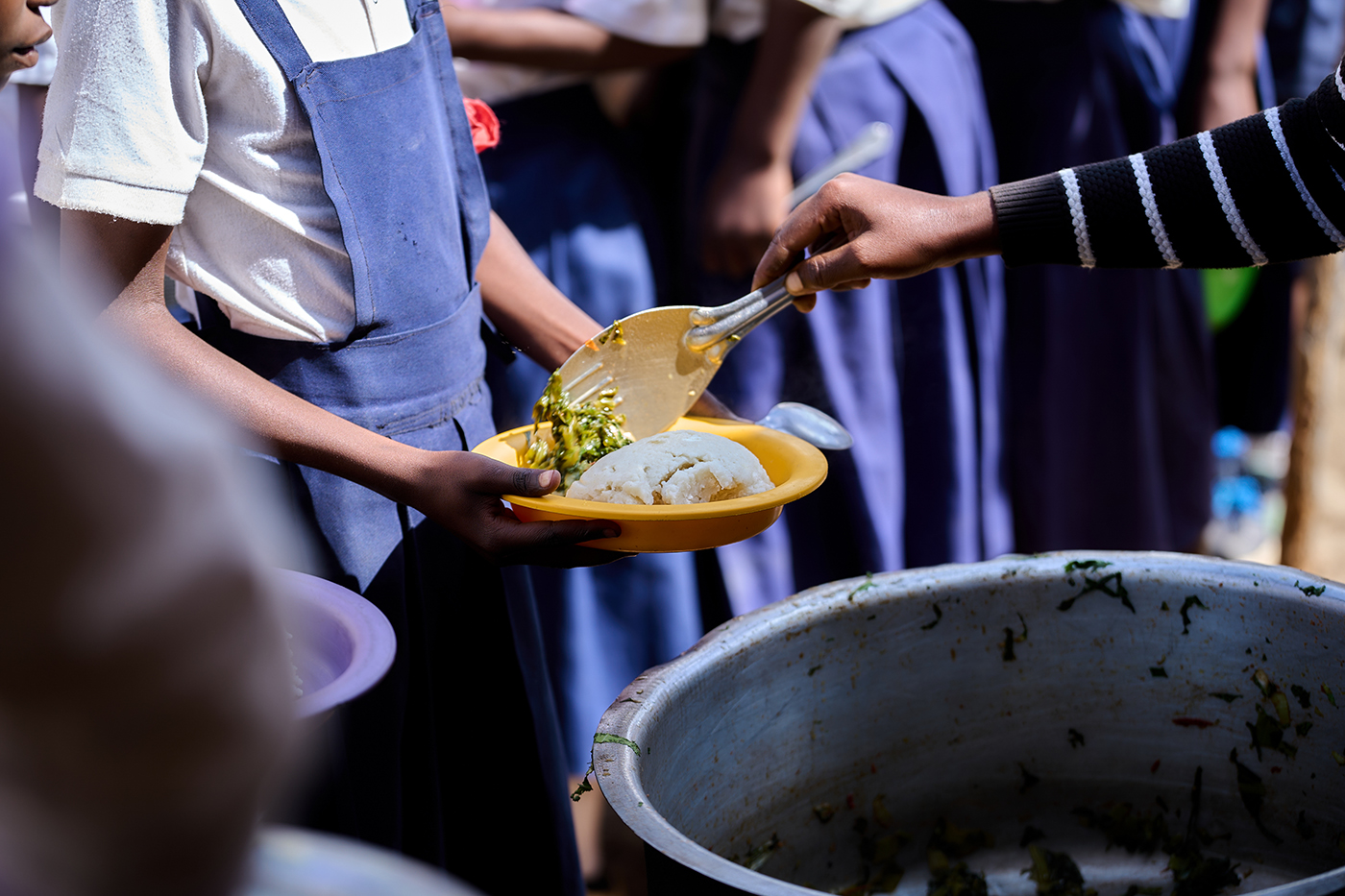
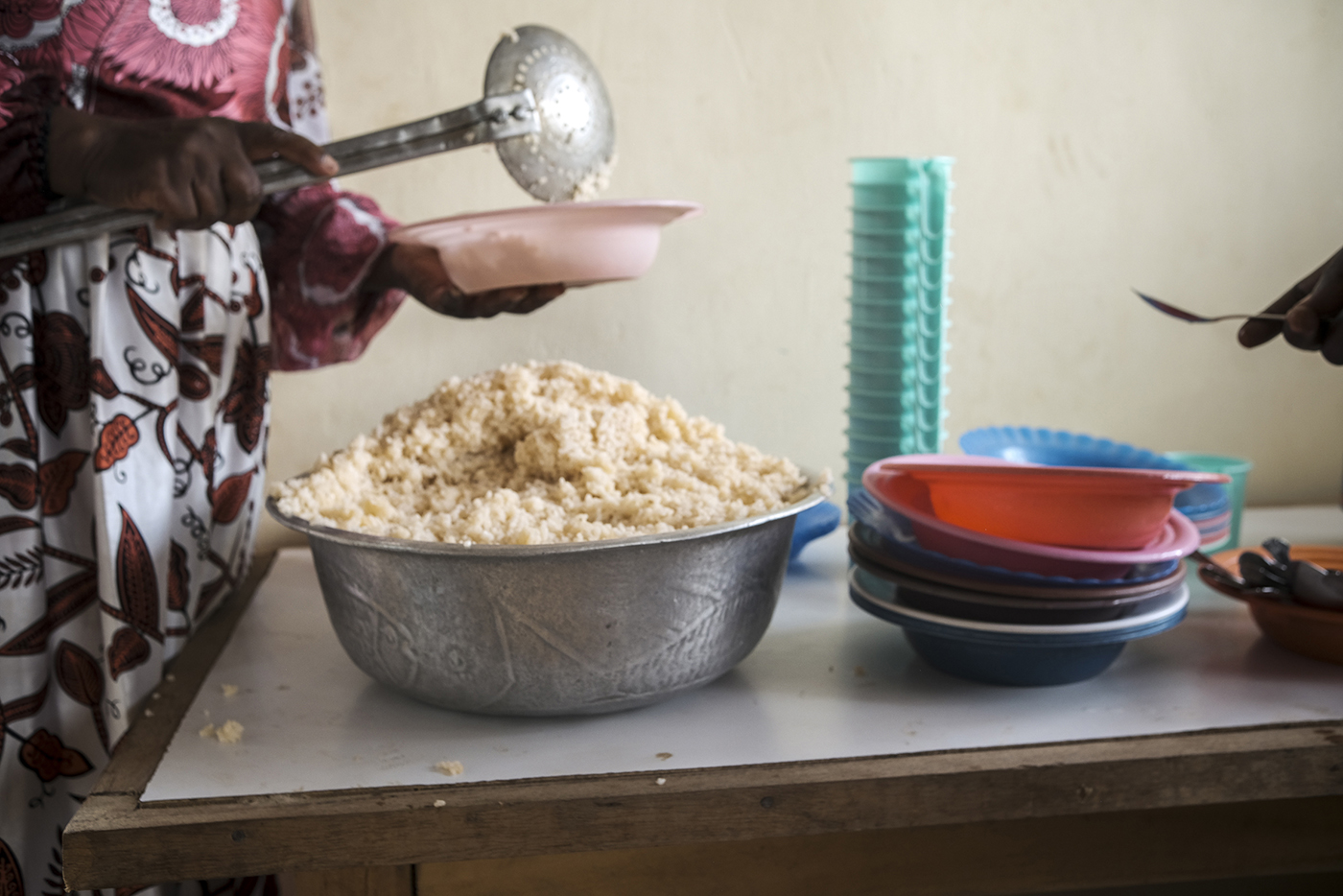
Pots and pans. It’s not just food itself, but how it’s cooked and where it’s eaten. Isabel Arjmand and Tammy Tan reported findings from Malawi on aluminum pans and plastic bowls and plates. Both are frequently used across Africa and often contain high lead content.
Geophagic soils, or edible clays, are commonly consumed by pregnant women in Africa to help with morning sickness and for their iron content. One in four women whom Isabel Arjmand and Tammy Tan interviewed in Malawi reported consuming these soils, all with high lead content.
Eyeliners, such as Kohl eyeliner, are traditionally made from almost pure lead sulphide. Akanksha Saletore and Jake Alexander presented the first multi-country burden estimate for traditional powdered eyeliners (kohl, surma, or tiro), visiting over 50 sites across India, Pakistan, Morocco, and Egypt to test products and understand use patterns. Biokinetic modelling implies substantial impacts on blood lead, but we need more direct evidence here.
Policy solutions
Treatment shouldn’t detract too much attention from prevention, which is always better than a cure, but the prospect of a new, safe chelation pill, as presented by Julian Rees, is nonetheless incredibly exciting. Ana Navas-Acien also presented a new meta-analysis of two different trials of older chelation drugs. The two studies were individually underpowered to detect effects, but pooling them provides sufficient statistical power to identify effects from chelation treatment on heart disease.
The questions many policymakers often ask international experts are: (1) which other countries have fixed this problem, and (2) how did they do it?
Nationally representative blood lead data are key. We haven’t had the luxury of good comparative data on either the outcomes (lead exposure) or the policies that may have improved outcomes. Both of these are changing. Around 20 nationally representative blood lead surveys are in the pipeline. At the conference, we heard from Indira Zhakipova on the first national blood lead survey in children in Kyrgyzstan, from Philip Erbele on the first results from children in Bhutan in 2024 (a whopping 76 percent prevalence at the US 3.5 µg/dL threshold), and from Sabbir Haider about lead survey results from the 2025 Bangladesh MICS.
Angela Bandemehr of the Partnership for a Lead-Free Future and Nana Yeboah, Fernanda Salles, Safina Abdulloeva, and Le Thai Ha, representing Ghana, Brazil, Pakistan, and Vietnam, brought valuable insights from their governments about how to spur policy action. Generating strong evidence and robust data are key, but effectively translating knowledge is what drives evidence to action.
Maria Jose Talayero and Caroline Mallory explained how critical nationally representative data on lead exposure were for generating policy action in Georgia. Generating surveillance data comes at a high cost, but Yi Lu, Audrey Pennington, and their colleagues presented on pathways to make surveillance viable in LMICs. Hania Farhan introduced Gallup’s pilot lead module for the World Poll.
We also heard from Nana Yeboah about how blood lead survey data persuaded the Ghanaian Food and Drugs Authority to conduct their first surveillance exercise of suspected lead products, which has already led to product recalls. In this vein, Akashmegh Sharma, Vinod Sharma, and Jenna Forsyth described how they surveyed 12,000 households across 10 Indian states using new field methods such as bespoke live dashboards and QR-code tracking from soil collection to lead-level analyses.
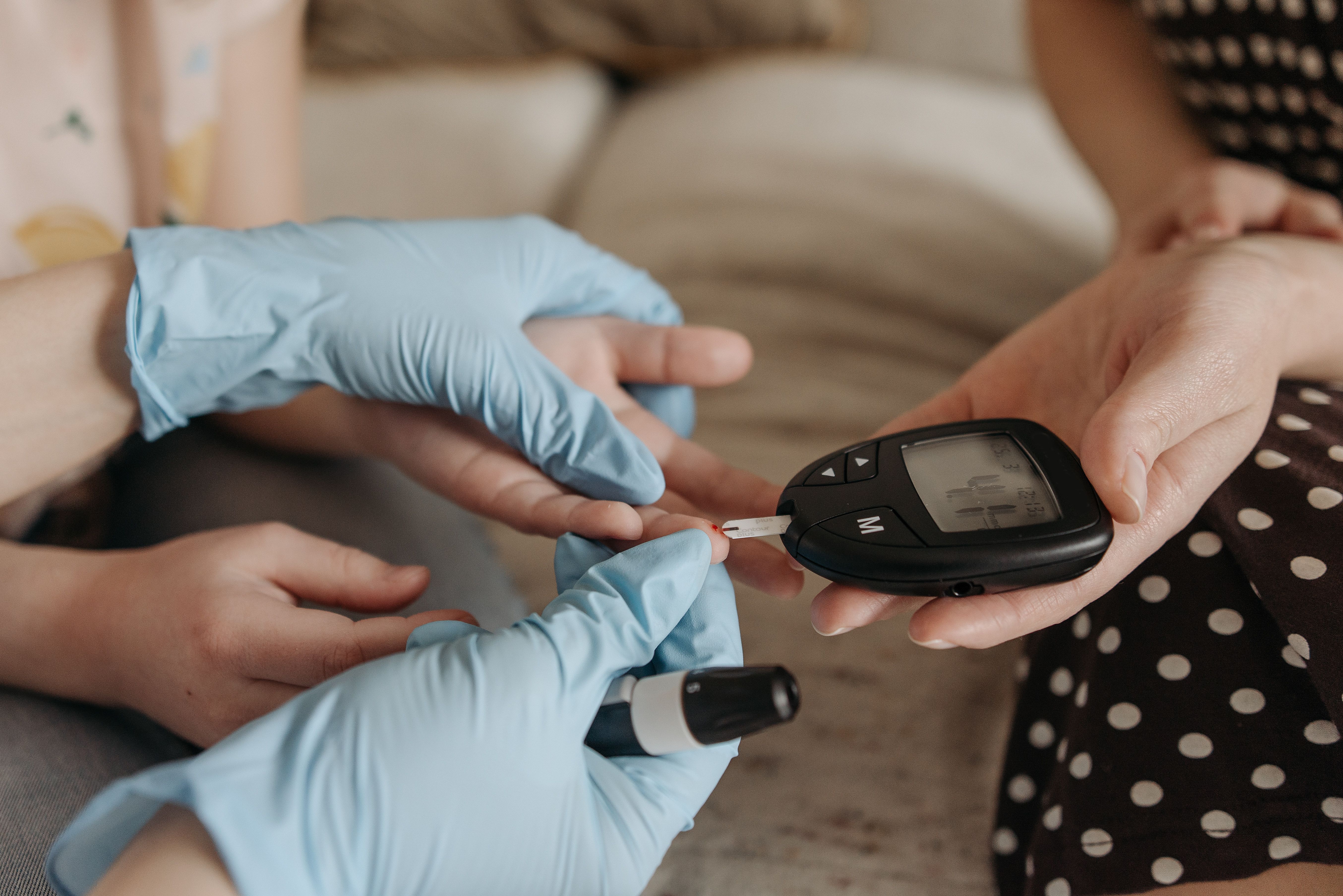
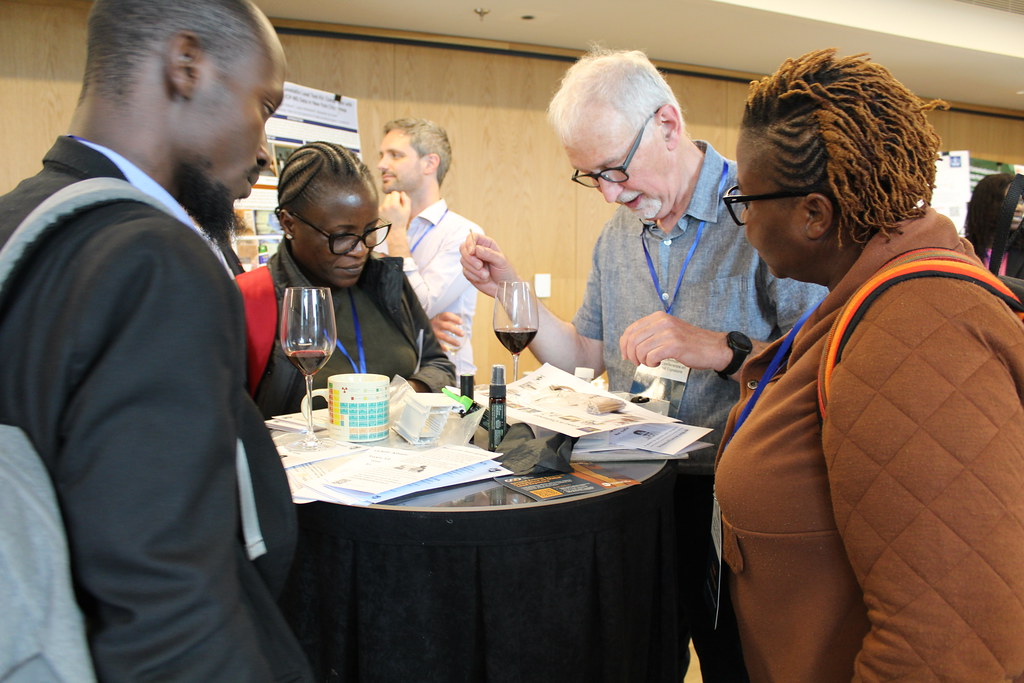
Stephan Bose-O'Reilly, Lea John, and Stefan Rakete demonstrated how blood testing can be done in practice using the LeadCare II device and “microsampling.” Tammy Tan and Gordon Binkhorst showed participants how to use an XRF metal tester and tested their samples. One CGD team member is reconsidering his baking plans for the summer after the soil from his backyard in London revealed lead levels more than six times the US EPA residential soil screening level of 200 ppm.
In addition to broader policy interventions, several speakers emphasized the importance of locally driven solutions to address lead exposure. Philip Erbele highlighted that Jinlap Mendrup (a blessed religious substance found in Buddhist monasteries in Bhutan) was associated with lead exposure, with consumers almost twice as likely to be above the 3.5 µg/dL threshold. Another example came from artisanal pottery in Mexico—Marcela Tamayo-Ortiz, Ana Navas-Acien, and Paulina Farias-Serra—where they found that working directly with local communities to adopt safer cooking and food preparation practices can demonstrate how locally cognizant and tailored strategies can complement existing policy initiatives.
A major institutional moment was a preview of the WHO–Resolve to Save Lives Global Technical Package on Lead Poisoning Prevention, presented by David Berendes and colleagues. The package will consolidate source-identification methods, intervention design, and policy guidance into a single reference for ministries of health acting on national survey results—closing the "we have the data, now what?" gap. As part of this, Sarah Emami presented a new legal and regulatory mapping exercise that documents existing policies on blood lead surveillance across different countries.
Rebecca Margolit-Chan showed that the standard US public health response to a child's elevated blood lead test has sizable measurable educational pay-offs. That package includes nutritional counselling, home source identification, and remediation if a clear source is found.
Finally, Tadesse Amera presented a new regional African initiative to promote lead poisoning prevention policies. As ever, political will is imperative for turning research into action. The question is, how do you galvanize this?
If you want to learn more about the conference, see the landing page for the poster gallery, recorded sessions, and slides. For those who attended, we’d love to hear your feedback on this form so we can make it even better next year. You can also read our roundup of last year’s conference here.
Topics
DISCLAIMER & PERMISSIONS
CGD's publications reflect the views of the authors, drawing on prior research and experience in their areas of expertise. CGD is a nonpartisan, independent organization and does not take institutional positions. You may use and disseminate CGD's publications under these conditions.
Thumbnail image by: Author