Lead poisoning is a global issue disproportionally affecting developing countries with weaker institutional and regulatory capacity. Lead is a toxic metal that impedes neurological development, causes chronic diseases, and stunts economic development. People are exposed to lead through a variety of pathways, including lead paint, used lead-acid battery recycling, industrial emissions, adulterated spices, and contaminated consumer products, among others. Children face the highest burden, since lead is absorbed faster during early development, causing irreversible damage. Though lead poisoning is widespread and has drastic impacts on health and development, when its sources are identified, it is possible to reduce exposure, and the Republic of Georgia offers one of the clearest examples of how to do so.
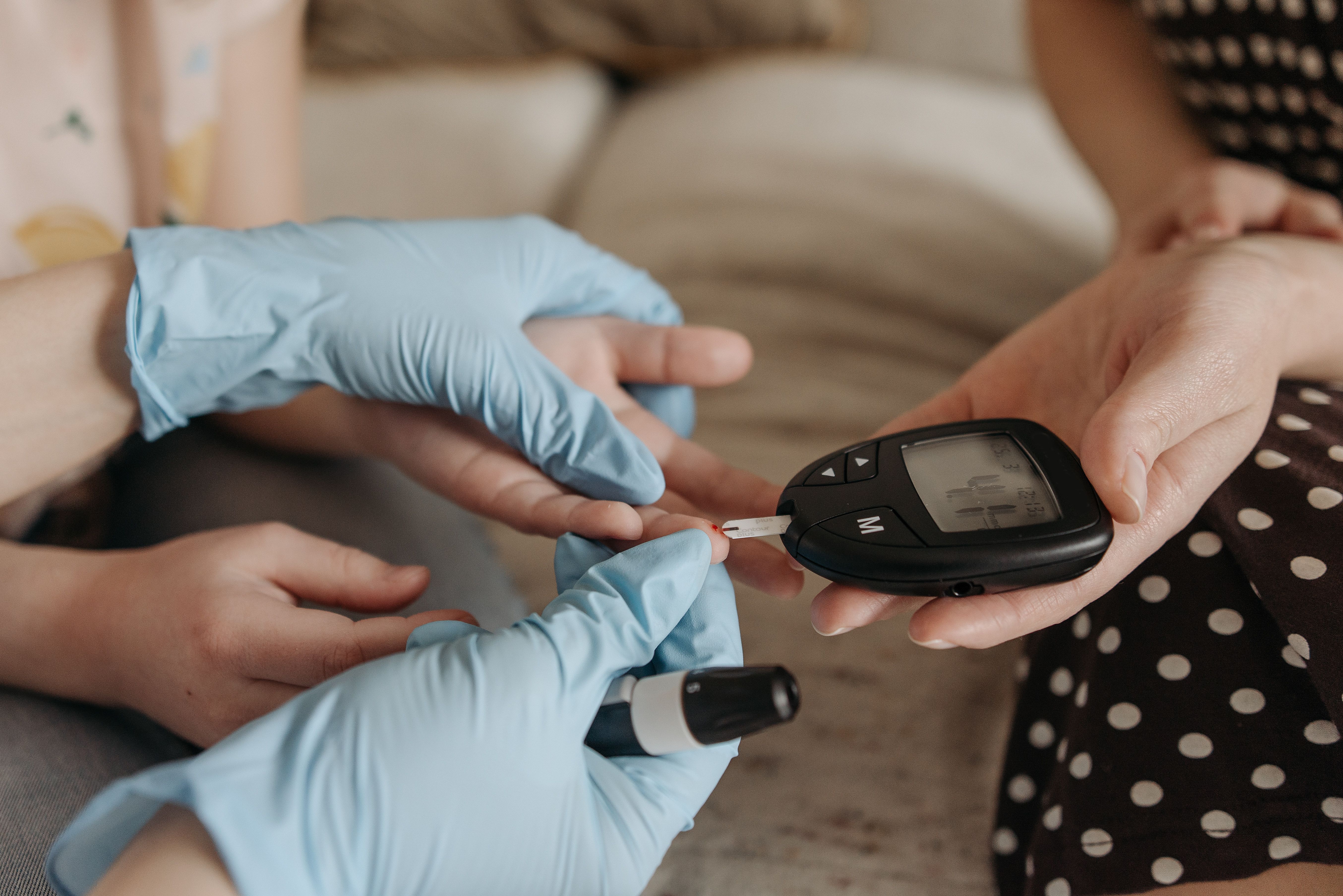
In 2018, Georgia and UNICEF conducted the sixth round of the Multi-Indicator Cluster Survey (MICS6), a global household survey program developed by UNICEF to generate statistically sound and internationally comparable data on children, adolescents, women, and their living conditions. The 2018 survey marked the first time that blood lead testing was incorporated into the MICS. Through a collaboration among UNICEF, Georgia’s National Centers for Disease Control (NCDC), and the Italian Institute of Health, representative blood lead measurements were collected from 1,578 children. The results revealed a substantial burden of lead exposure: 41 percent of children aged 2–7 had blood lead levels (BLLs) above the World Health Organization threshold of 5 μg/dL, while more than 15 percent had levels above 10 μg/dL.
What has followed this result is an ongoing multi-year, multi-stakeholder effort to identify sources of lead, mitigate exposure, and reduce the prevalence of elevated BLLs in the country. To understand the history and progress of this effort, we conducted 20 semi-structured interviews with stakeholders across government, nongovernmental organizations, academia, and foreign agencies involved in the response, alongside a review of the available evidence.
Our interviews and the evidence make clear that though Georgia has made real progress, work is not finished. About 15 percent of children still have BLLs above 5 μg/dL. Though this is a reduction, there is no safe level of lead exposure. Even so, Georgia’s success in addressing the issue and its process of implementing national surveillance offers key lessons with relevance for other countries combating lead poisoning.
1. Start with evidence
Interviewees repeatedly identified the MICS6 results as the most important moment for Georgia's lead response. A prevalence of 41 percent was hard to ignore, and it built political will, making lead poisoning a national priority. Generating evidence should be the first step to address lead exposure.
2. Build and invest in domestic capacity
Before 2018, Georgia had no accredited laboratory with equipment to test BLLs. Building domestic capacity takes longer and costs more upfront, but it is the only approach that produces a surveillance system that will outlast the initial emergency and can adapt to new threats as they emerge. Plan for sustainability from the beginning.
3. Identify sources
Adulterated spices ended up being a major source of exposure for Georgian children. Georgia’s ability to achieve rapid, measurable reductions in children’s BLLs depended critically on identifying a major source of exposure early and targeting enforcement there. Not every country will have sources as concentrated or as tractable as Georgia’s adulterated spices, but investing in source identification early is key, because the appropriate response depends entirely on sources of exposure.
4. Enforcement is as important as regulation
While new regulations were created, some regulatory frameworks were already in place in Georgia prior to MICS6, what changed was how they were enforced. Customs inspection was strengthened with random testing at borders. The National Food Agency conducted unannounced market surveillance with seizure authority. Criminal code provisions on intentional food adulteration were invoked against identified suppliers. Some countries might not require new laws, but better enforcement of existing ones.
5. Build political will
Political commitment needs to be built throughout every phase; it does not happen spontaneously. In Georgia, political will did not just appear after the MICS results were published. The NCDC had been involved in generating the data and was primed to act on it. Parliamentary committees were briefed during the advocacy phase for including the lead module. The prime minister’s office was engaged before the results were released. By the time the 41 percent finding became public, the government was ready to respond to its concerned citizens with a thoughtful plan.
Georgia’s lead response succeeded not because of a single factor, but because evidence was paired with capacity building, source identification, enforcement and political will. That combination is the real lesson for other countries still searching for where to start.