May 29, 2026
Recommended

Blog Post
Debt Shock Absorbers for Poor Countries
April 07, 2026

Topics
CITATION
Svenstrup, Mary, Masood Ahmed, and Charley Ward. 2026. Beyond a Blueprint: Reconciling Sovereign Debt Reform Proposals with Impact and Reality. Center for Global Development.DISCLAIMER & PERMISSIONS
CGD's publications reflect the views of the authors, drawing on prior research and experience in their areas of expertise. CGD is a nonpartisan, independent organization and does not take institutional positions. You may use and disseminate CGD's publications under these conditions.
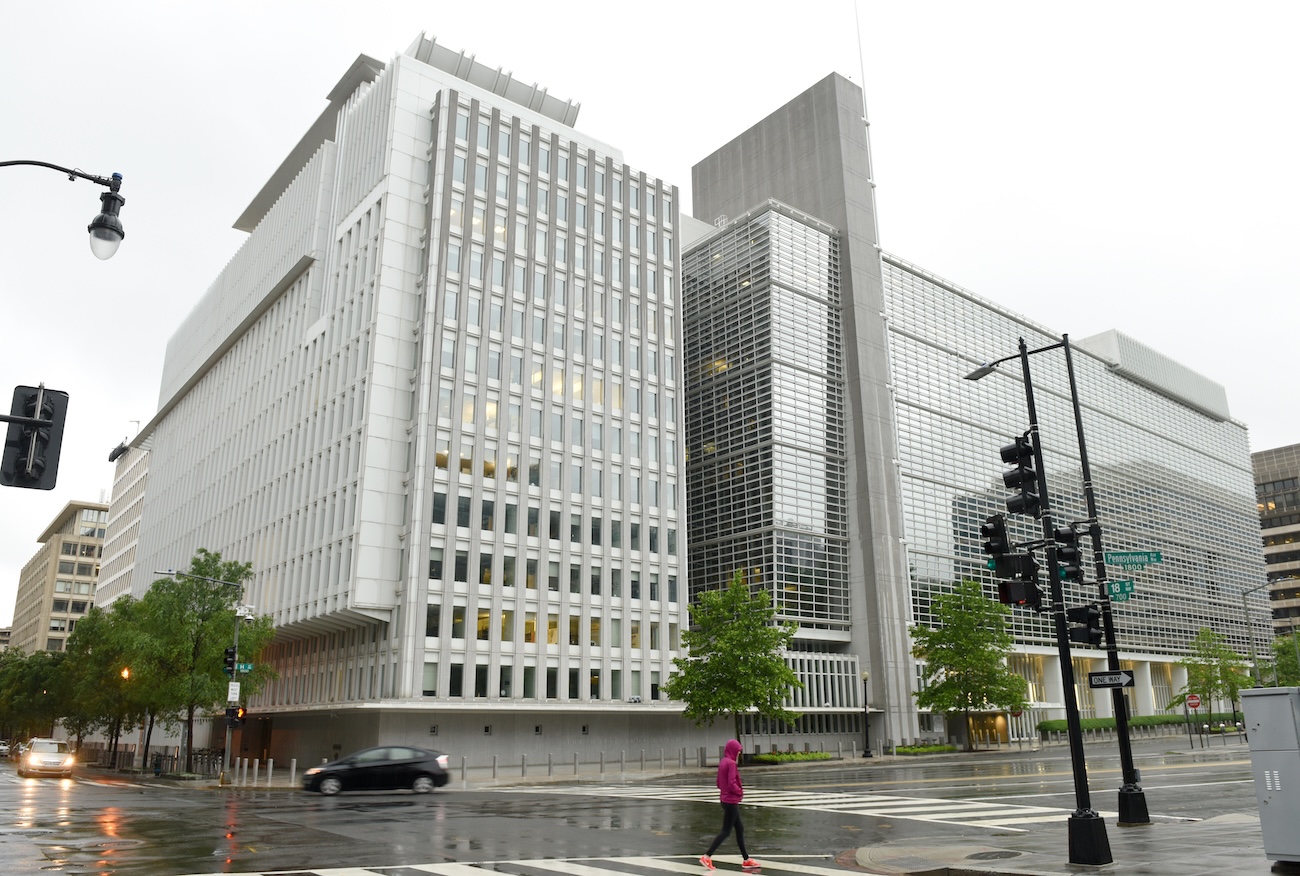
Thumbnail image by: Asian Development Bank/Flickr