You are here
Food, Agriculture, and Biofuels
More than a billion people in developing countries suffer from chronic hunger. Long a neglected topic, the role of agriculture in promoting pro-poor growth is attracting renewed attention in the United States and internationally. CGD’s work in this area focuses on how rich countries’ agricultural policies and practices impact people and economic development in the poor world.
Three out of four people in the developing world live in rural areas and depend on agriculture to support themselves and their families. Yet, since development traditionally involves moving people from subsistence farming into higher-productivity activities in manufacturing and services, governments and donors have neglected agriculture for decades. The spike in food prices in 2007–08, coupled with the consequent increases in hunger and poverty, returned food security issues to the policy agenda.
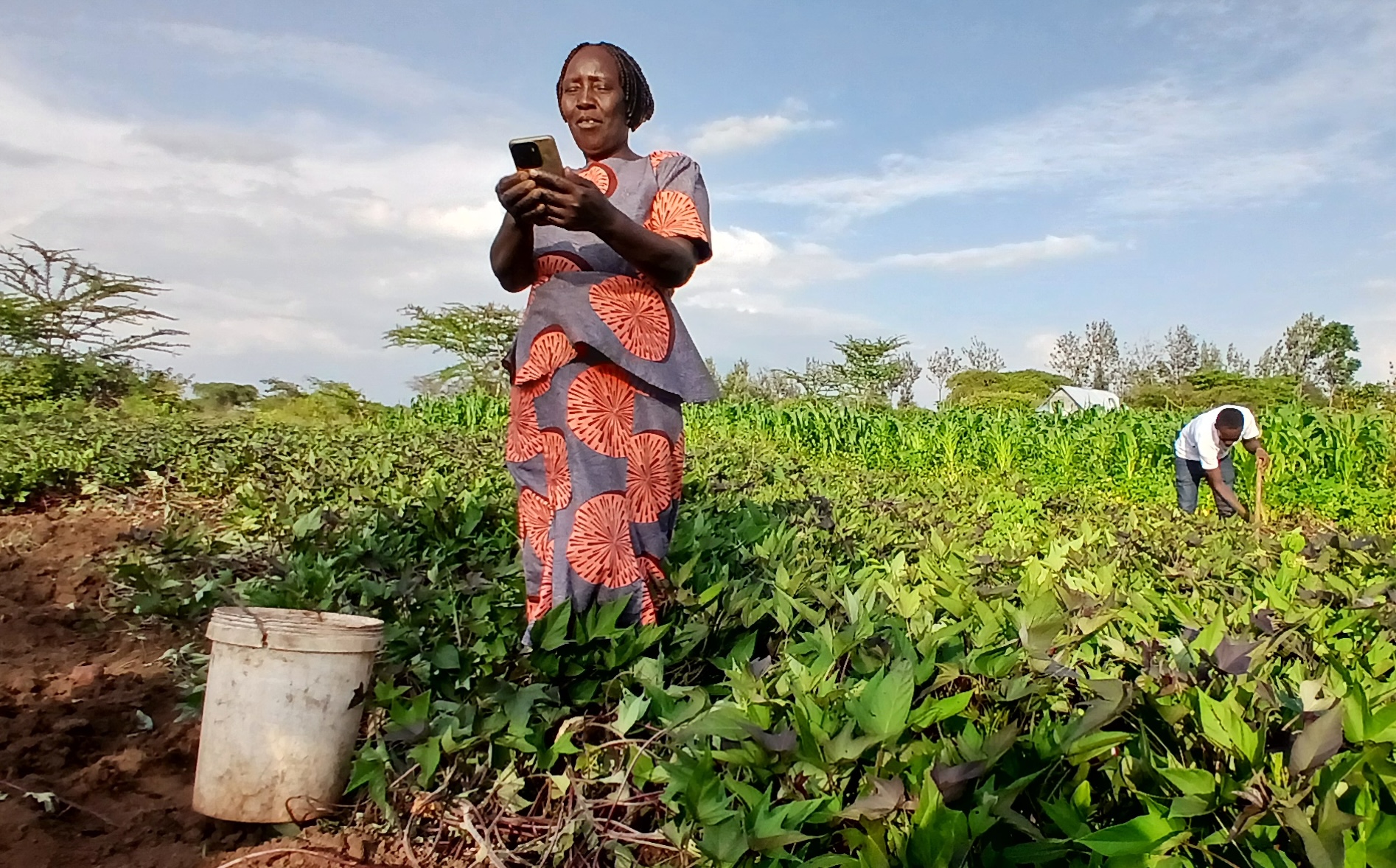
Senior fellow Kimberly Elliott, author of Delivering on Doha: Farm Trade and the Poor, focuses on how rich countries' agricultural policies and practices affect poor people in the developing world. Non-resident fellow Peter Timmer has written extensively on the role of agriculture and food security in the economic development process. Non-resident fellow Jenny Aker conducts research on food aid in the Sahel and on the importance of mobile phones on food prices.
CGD research on food and agriculture analyzes several other topics:
- Trade policies and farm subsidies that protect rich-country agricultural producers from competition at the expense of developing countries
- The effect of biofuels production on poor people, including through food prices.
- The impact of rich-world consumption of "fair trade" agricultural products, such as coffee and chocolate, on poor people and on development.

Related Experts
Related Food, Agriculture, and Biofuels Content


Demand for and supply of “sustainable” coffee (and other commodities) have grown markedly for two decades, as has the literature analyzing the effects of voluntary sustainability standards for coffee. The evidence for assessing the impacts for smallholder producers and the environment remains relatively weak, however.
Senator Bob Corker (R-TN) and Representative Ed Royce (R-CA) have teamed up with Democratic colleagues Senator Chris Coons (D-DE) and Representative Earl Blumenauer (D-OR) to introduce new legislation that would reform US international food aid to deliver more help to more people in crisis, faster.
Pages
Trade is a key tool to bring food security to an estimated 800 million people around the world that remain chronically undernourished. Many countries need reliable access to international markets to supplement their inadequate domestic food supplies. Better policies to make agriculture in developing countries more productive and profitable, including via exports, would also help alleviate food insecurity and reduce poverty. Stronger international trade rules would help by constraining the beggar-thy-neighbor policies that distort trade, contribute to price volatility, and discourage investments in developing-country agriculture.
In this new book, Bill Cline, a joint senior fellow at CGD and the Peterson Institute for International Economics, provides the first ever estimates of the impact on agriculture by country, with a particular focus on the social and economic implications in China, India, Brazil, and the poor countries of the tropical belt in Africa and Latin America. His study shows that the long-term negative effects on world agriculture will be severe, and that developing countries will suffer first and worst.
This paper is an introduction to fair-trade markets, trends, and challenges, and the issues brought on by attempts to get products to the mainstream.
You may have recently seen articles in one of several media outlets about a new study that purportedly shows that Fairtrade has failed African farmworkers. Does that mean you should stop buying Fairtrade coffee and other products?
When you opt to buy fair trade certified coffee at the grocery store instead of uncertified, how much good are you doing? My guest on this week’s Wonkcast, Kimberly Ann Elliott, draws on her recent policy paper, Is My Fair Trade Coffee Really Fair? Trends and Challenges in Fair Trade Certification, to tell me why the answer may be more complicated than you’d think.
"There are better ways to improve test scores," "food is expensive," "most kids would eat anyway," and other counterarguments contain some truth, but fail to overturn the basic economic logic of free, universal school feeding in poor countries.
The World Food Programme has world-class logistics, but its ability to manage financial risk is extremely limited. The WFP should consider implementing a targeted hedging pilot strategy for increased predictability. Greater commitments of untied cash from donors and support for the proposed Food Security Trust Fund at the World Bank would help.
Pages
There is no content currently that matches this filter.


Commentary Menu