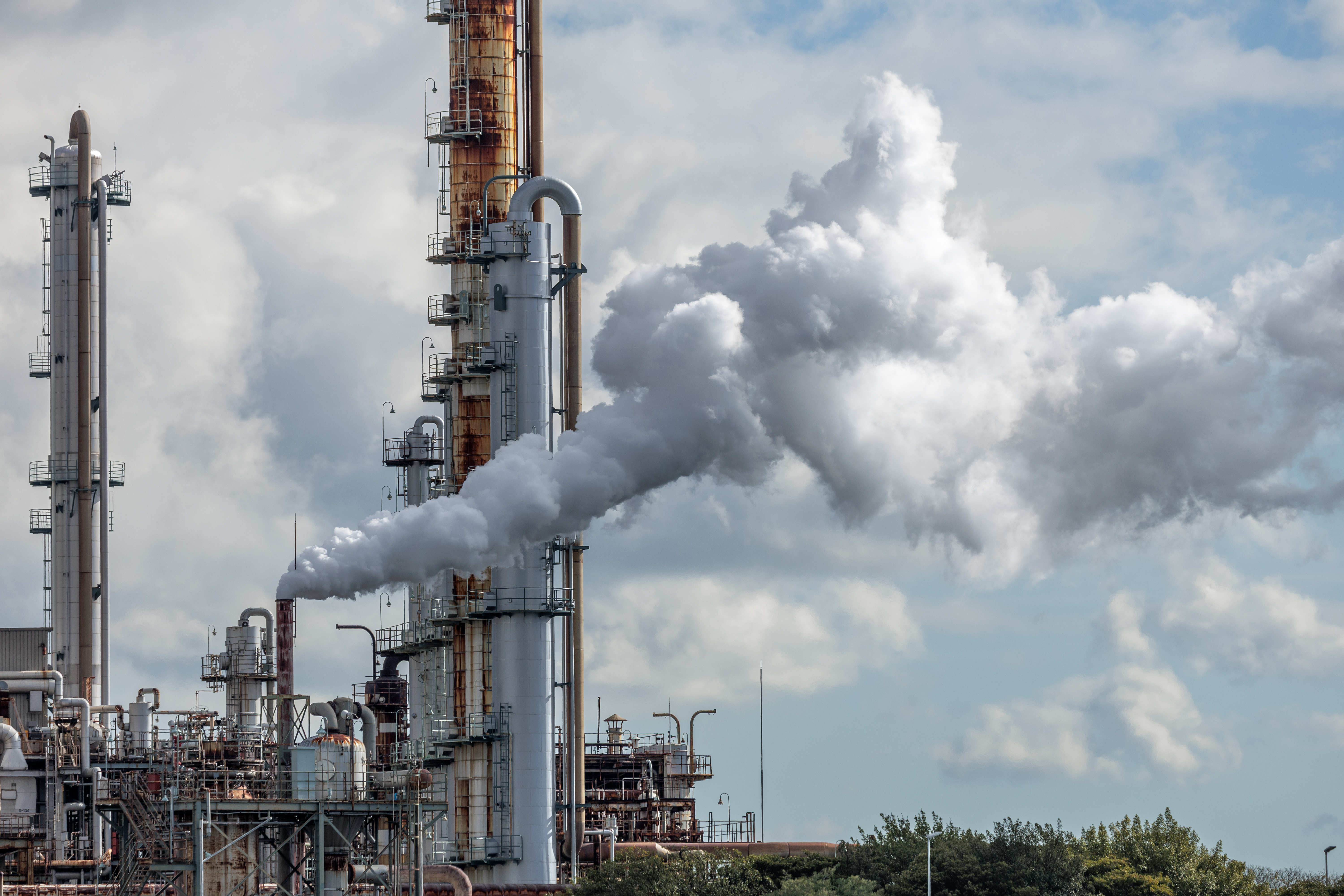
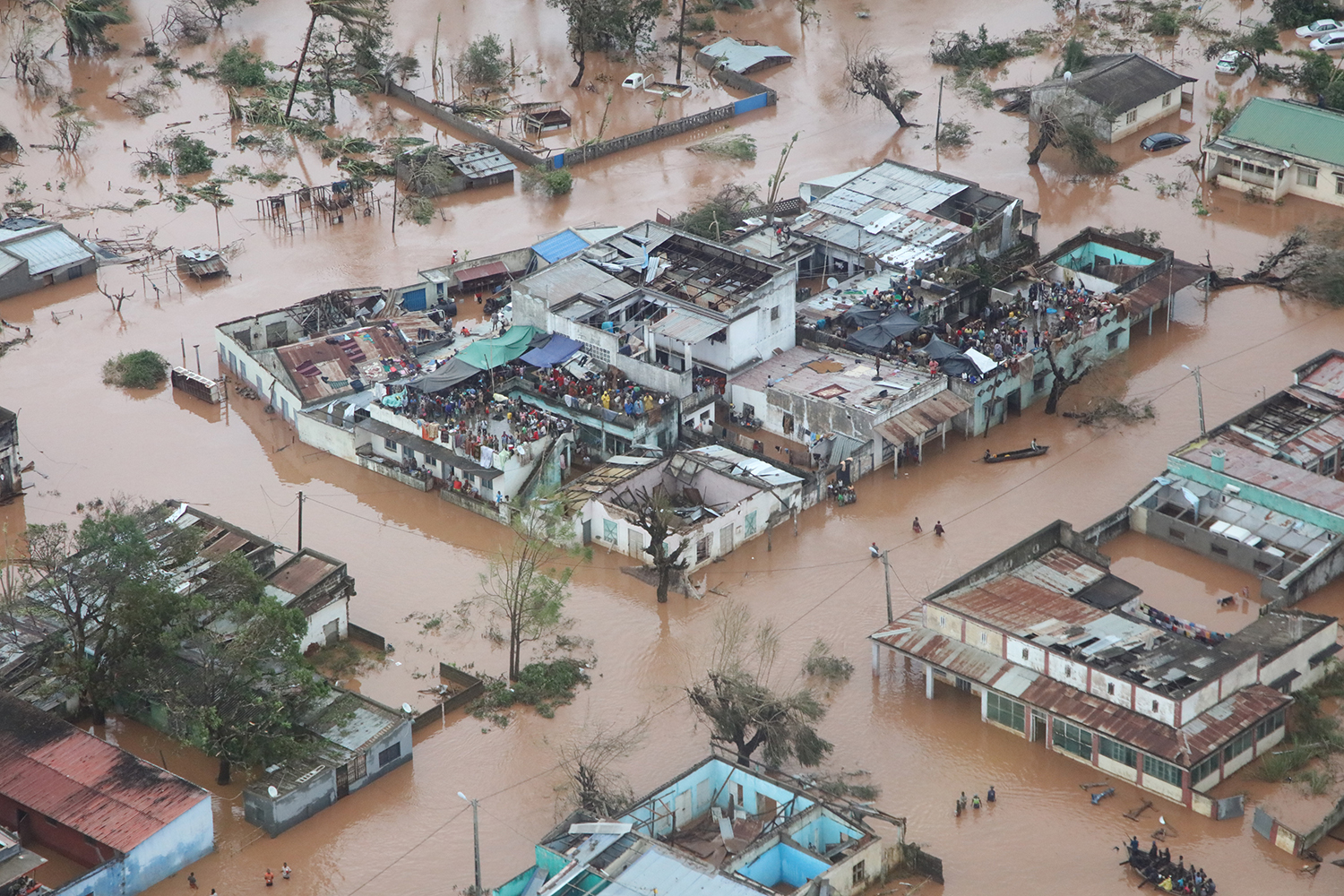
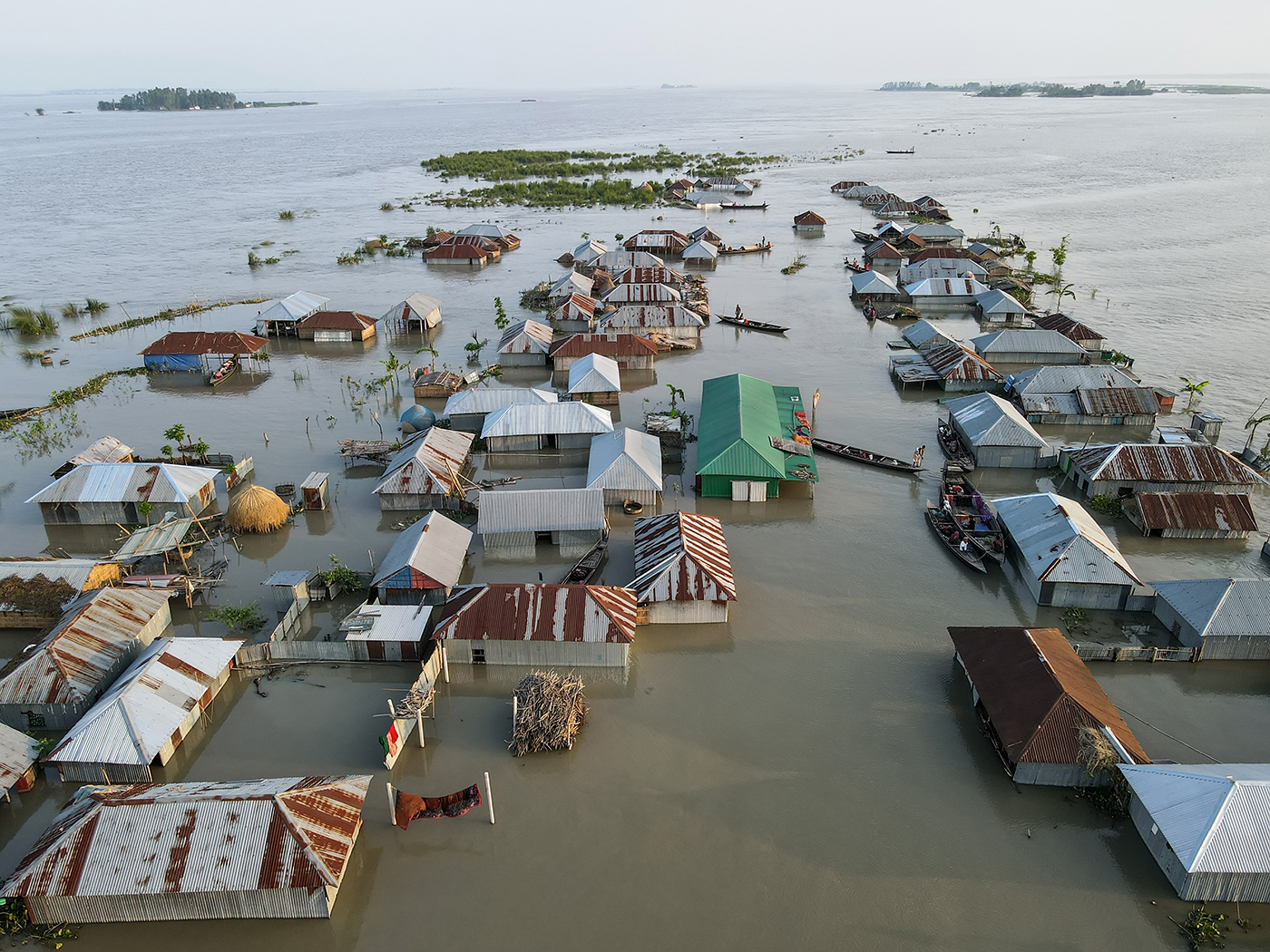
At this year’s COP in Türkiye in November, countries will once again discuss carbon markets and Article 6 of the Paris Agreement, which sets the rules for international carbon trading. But the focus will shift this year from negotiating those rules to how to make them work in practice; formal negotiations on the Article 6 Rulebook are substantially complete, although discussions of technical elements and refinements continue. While not central to the formal COP31 agenda, enabling a well-functioning Article 6 could directly contribute to a number of the COP31 Presidency's 10 Action Agenda priorities, including Clean Energy Transition and Electrification, Green Industrialization, and Climate Implementation Bridge.
Much of the discussion, past and present, on carbon markets has rightly focused on integrity—whether they deliver genuine emissions reductions. But can Article 6 materially contribute to sustainable development? That question has received considerably less attention, yet should be central to both development and climate negotiations. This blog argues that the answer is yes. Our analysis suggests finance from carbon markets could rise to similar levels as official development assistance (ODA) over a 20-year time horizon. But realizing this potential will depend on appropriate demand signals from buyer countries and on host countries being ready with the right policies and institutions to promote their interests and avoid falling into the trap of selling off their carbon assets too cheaply. More detail on what needs to happen is in our policy note published today.
How much money could Article 6 generate for developing countries?
Some early transactions are proceeding with pioneer buyer countries (e.g. Switzerland, Singapore, Japan) and host countries (e.g. Ghana, Madagascar, Thailand). However, the full potential of Article 6 remains far from realised. Article 6 could provide a substantial flow of finance to the Global South. The magnitude of this depends largely on the demand for so-called ITMOs (Internationally Transferred Mitigation Outcomes) by buyer countries in the Global North, as well as by specific sectoral schemes, in particular aviation. In the short term, demand is nascent and fragmented, likely totalling less than $10 billion cumulatively by 2030. In the medium term, however—from the mid-2030s onwards—a realistic step change in demand could deliver tens of billions a year, and possibly hundreds of billions a year in the 2040s. In reality, future demand depends on policy decisions by major countries and blocs. The EU is signalling significant demand in the 2030s with its plans to use high-quality international carbon credits for up to 5 percent of its emissions reduction targets. The extent to which others will follow is unknowable, but increasingly ambitious NDCs, driven by the Paris ratchet mechanism, imply an increasing role for Article 6.
At currently projected levels, Article 6 could make a material contribution to sustainable development in the 2030s. For example, the financing needs to achieve SDG7 goals for modern, clean cooking could be more than covered by Article 6 (achieving universal access to clean, modern cooking requires around $8 billion per year); achieving universal access to electricity in Africa requires around $15 billion per year by 2035. In practice, Article 6 revenues would be most efficiently employed in combination with—and complementary to—public and private investment, so Article 6’s impact will be much greater through leveraging effects. In the context of squeezed ODA budgets, Article 6 presents an intriguing prospect for governments in the Global South looking for additional means to finance their development objectives, catalysing private investment by improving their viability in sectors that are otherwise underfunded.
How host countries can unlock the potential of Article 6
From the perspective of host countries (those in the Global South in which Article 6 projects are implemented), the first requirement is a mind-set shift. Article 6 is different from other financing flows in at least two respects:
First, Global South governments will increasingly have primary agency in the way Article 6 activities are developed in their jurisdictions; this is not the case with ODA, for example. Moreover, every tonne of carbon exported as a carbon credit means one less tonne available to meet domestic carbon reduction targets. There is, therefore, an opportunity cost for host countries exporting Article 6 credits (ITMOs), and a risk that selling easy credits cheaply may excessively increase the cost of achieving domestic targets. As others have also pointed out, ITMOs should increasingly be treated as strategic public revenues rather than stand-alone transactions. This requires sound strategic analysis of national marginal abatement cost curves to target those sectors most suitable to export credits. It also requires development of attractive and stable enabling environments (policies, regulation, and institutions) to both manage national interests and attract buyer countries. In addition, appropriate benefit-sharing arrangements will be needed to manage expectations domestically.
The second key difference between Article 6 and other financing flows is the results-based nature of carbon finance. This means that finance flows after activities have been implemented and carbon reductions have been verified. That leaves a pre-financing gap, implying that specific policy attention is required not only in “making carbon value but making that value bankable.”
As Article 6 markets continue to evolve, host countries that combine strategic clarity, environmental integrity, institutional credibility, regulatory certainty, and commercial pragmatism are likely to be best positioned to attract Article 6 interest, and from that leverage high-quality investment while safeguarding long-term national interests. In practice, host country readiness is mixed and uncertainties, in particular around authorisation policy and treatment of corresponding adjustments, are impeding investor decisions to proceed. Increasing readiness for Article 6 requires a combination of technical, strategic, and commercial analysis. In addition to capacity-building efforts by donors, South-South learning holds much promise, building on the experiences of pioneer countries. Failure to prepare increases the risk of falling into the trap of wasting valuable sovereign assets.
Policy considerations for buyer countries
Buyer countries face a different but equally important set of policy considerations. Situating Article 6 purchases within long-term climate strategies is important to provide clear long-term market signals, enabling a shift from nascent, ad hoc to structural demand, thus catalysing rather than confusing investors. Designed well, buyer country Article 6 approaches could increase ambition while improving the efficiency of implementation; given current financial constraints, that’s an attractive landing zone. From a geopolitical perspective, approaches need to be designed in ways that address the needs of poorer developing countries, either using approaches which avoid all Article 6 benefits streaming to middle-income countries or—if this proves too difficult or cumbersome—shifting ODA resources to focus more on the poorest countries. Without this, consensus on the legitimacy of Article 6 cooperation is unlikely to hold.
While all this may appear to present a daunting set of policy challenges to knit together, the coming period to the mid-2030s presents a valuable window for both host and buyer countries to reflect, analyse, and establish the policies and institutional frameworks to make the most of the—probably substantial—potential development benefits that Article 6 could offer. COP31 needs to shift Article 6 decisively from rule-making to implementation, by quickly resolving outstanding operational issues—particularly sustainable funding and interoperable registry infrastructure—and giving countries the clarity and capacity to authorise, account for, and transfer mitigation outcomes at scale. In doing so, it needs to carefully balance the imperative of building confidence in environmental and social integrity while ensuring the rules of the game are sufficiently workable to allow Article 6 to reach its potential and deliver development benefits at scale.