BRIEF

The Gitanjali Cooperative: A Social Enterprise in the Making (brief)

The full case study is available here.

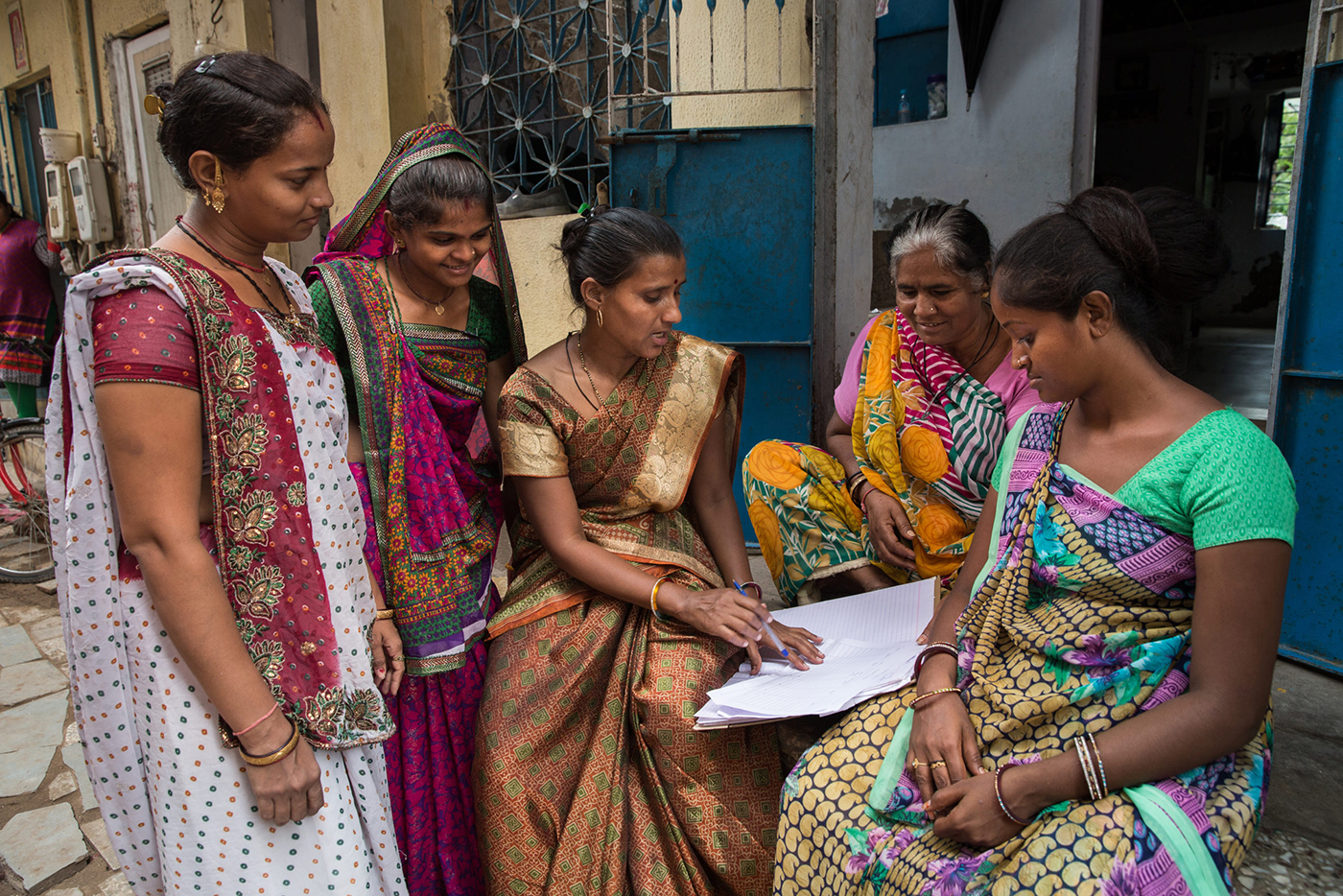
In 1995 India’s Self-Employed Women’s Association (SEWA) organized women waste pickers in Ahmedabad into a cooperative to improve their working conditions and livelihoods. When the waste recycling industry collapsed eight years later, eroding waste pickers’ already vulnerable income, the cooperative began to manufacture stationery products from recycled waste. Over time, this informal arrangement evolved into Gitanjali—a women-owned and -run social enterprise. With support from key partners, Gitanjali has generated social value, providing its members with safe and dignified work while increasing their earnings. While Gitanjali faces challenges in becoming a fully self-sufficient social enterprise, its experience offers insights for other initiatives seeking to provide opportunities for women to transition from informal to formal work.

CITATION

Buvinic, Mayra, Tanvi Jaluka, and Megan O'Donnell. 2017. The Gitanjali Cooperative: A Social Enterprise in the Making (brief). Center for Global Development.

DISCLAIMER & PERMISSIONS

CGD's publications reflect the views of the authors, drawing on prior research and experience in their areas of expertise. CGD is a nonpartisan, independent organization and does not take institutional positions. You may use and disseminate CGD's publications under these conditions.