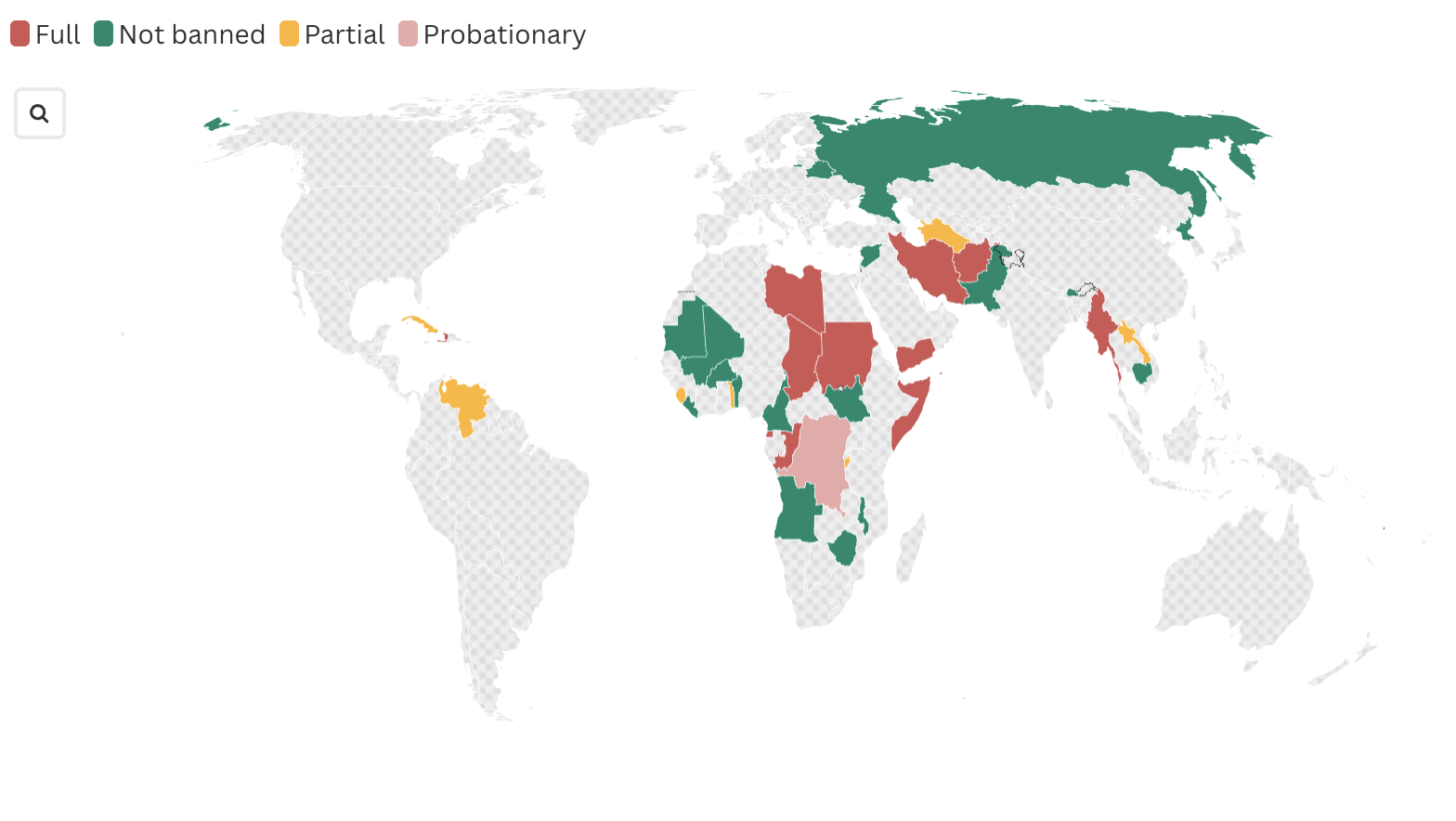
Haiti finds itself on the list of countries facing a Trump administration travel ban for the second time in two terms. The official reasons are that Haitians often overstay their visas and that there is a risk of the “establishment of criminal networks, and other national security threats.” But Haitian immigrants have considerably lower incarceration rates than the US native-born, which suggests the real motivation might lie elsewhere. In 2017, it was reported that the President’s desire to stop the entry of Haitians was because “they all have AIDS.” To the extent that is still the administration’s core concern, there is good news to report and policy lessons to be learned: there has been considerable progress against the disease in Haiti— and that is thanks in large part to US support.
The number of new HIV infections in Haiti fell from 11,000 in 2010 to 5,700 in 2022. The share of the population living with HIV reached a peak of 2.0 percent in 1995, fell to 1.7 percent by the start of the last Trump administration, and is closer to 1.6 percent today. And the only reason that the number living with AIDS hasn’t dropped even faster is because HIV is no longer a rapid death sentence: the number of AIDS-related deaths in Haiti more than halved just between 2006 and 2021.
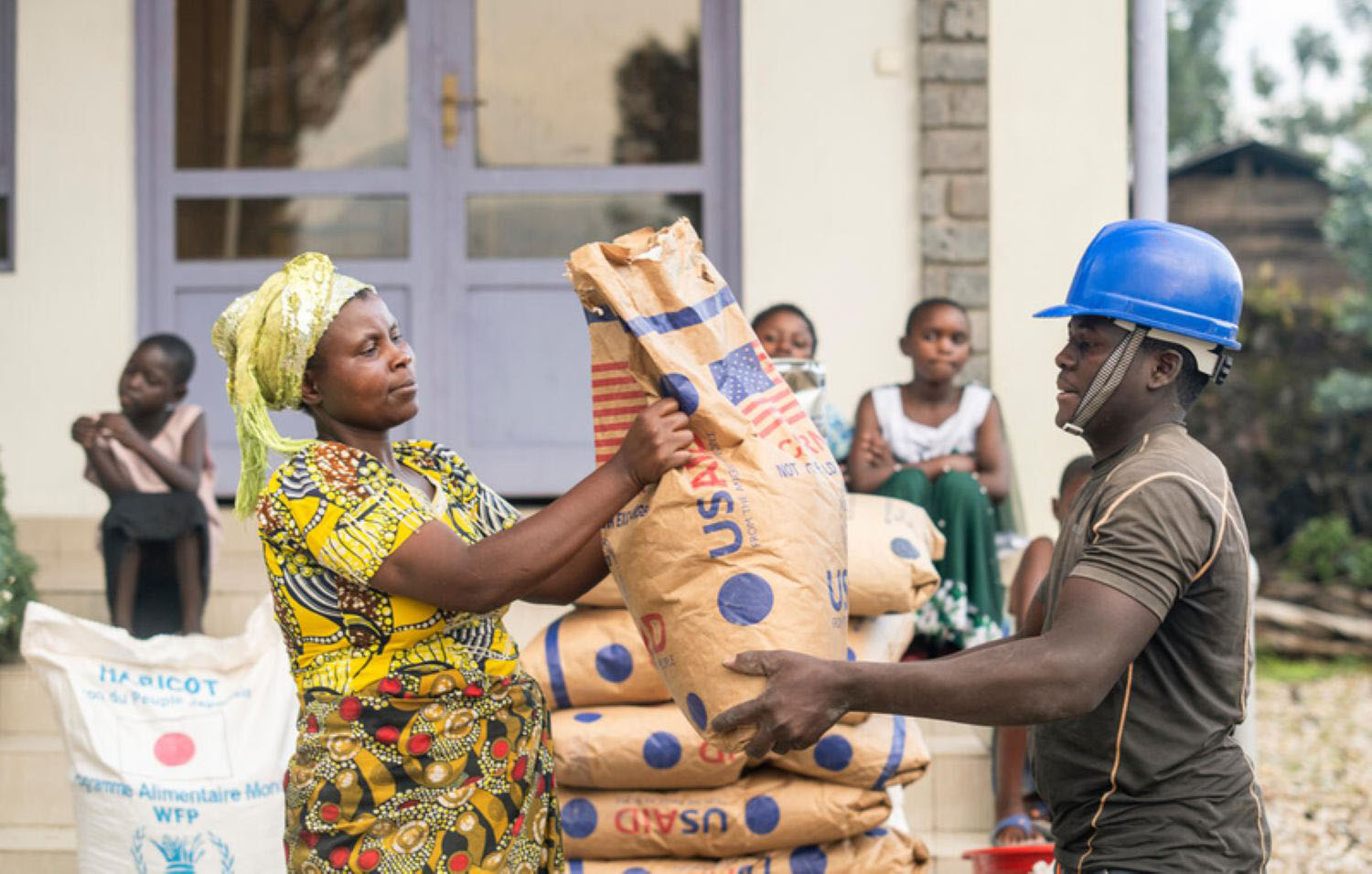
That’s because there has been huge progress battling the disease. Not least, the proportion of people in Haiti with HIV who are on medications climbed from about a quarter in 2013 to about 84 percent in 2023. And a large part of that is down to PEPFAR, the US program that fights HIV worldwide. PEPFAR has provided over $100 million in annual support to Haiti, covering about 60 percent of the country’s HIV budget.
It used to be that travel was a lethal activity for all concerned. Early globalization saw imperialists and colonizers spread diseases that killed off a huge proportion of newly exposed populations—as well as a huge proportion of the colonists themselves. But nowadays, Americans who die abroad tend to die of pretty much the same things they do at home—stuff like heart attacks. Meanwhile, immigrants to the US significantly outlive the native-born. That’s thanks not least to global progress against infectious disease in which the US has played a huge role: helping to wipe out smallpox, roll out vaccinations against common infections worldwide, and fight the scourges of tuberculosis and malaria alongside HIV.
The lessons are clear: First, lifesaving global health aid really does make America safer, stronger, and more prosperous, and the administration’s stated desire to preserve it makes eminent sense. It should be doing a much better job of following through, rather than proposing a budget that slashes global health spending by 60 percent. But, second, the threat of HIV joins the list of empirically unjustified immigration fears alongside “taking our jobs” (immigration is associated with higher native-born employment), “mooching off our taxes” (even unskilled immigrants create more in tax revenues than they consume in government services), or “risking our safety” (migrants consistently commit crimes at lower rates than the native-born). Precisely because global health programs like PEPFAR are delivering results, AIDS is simply no good reason to close a border.