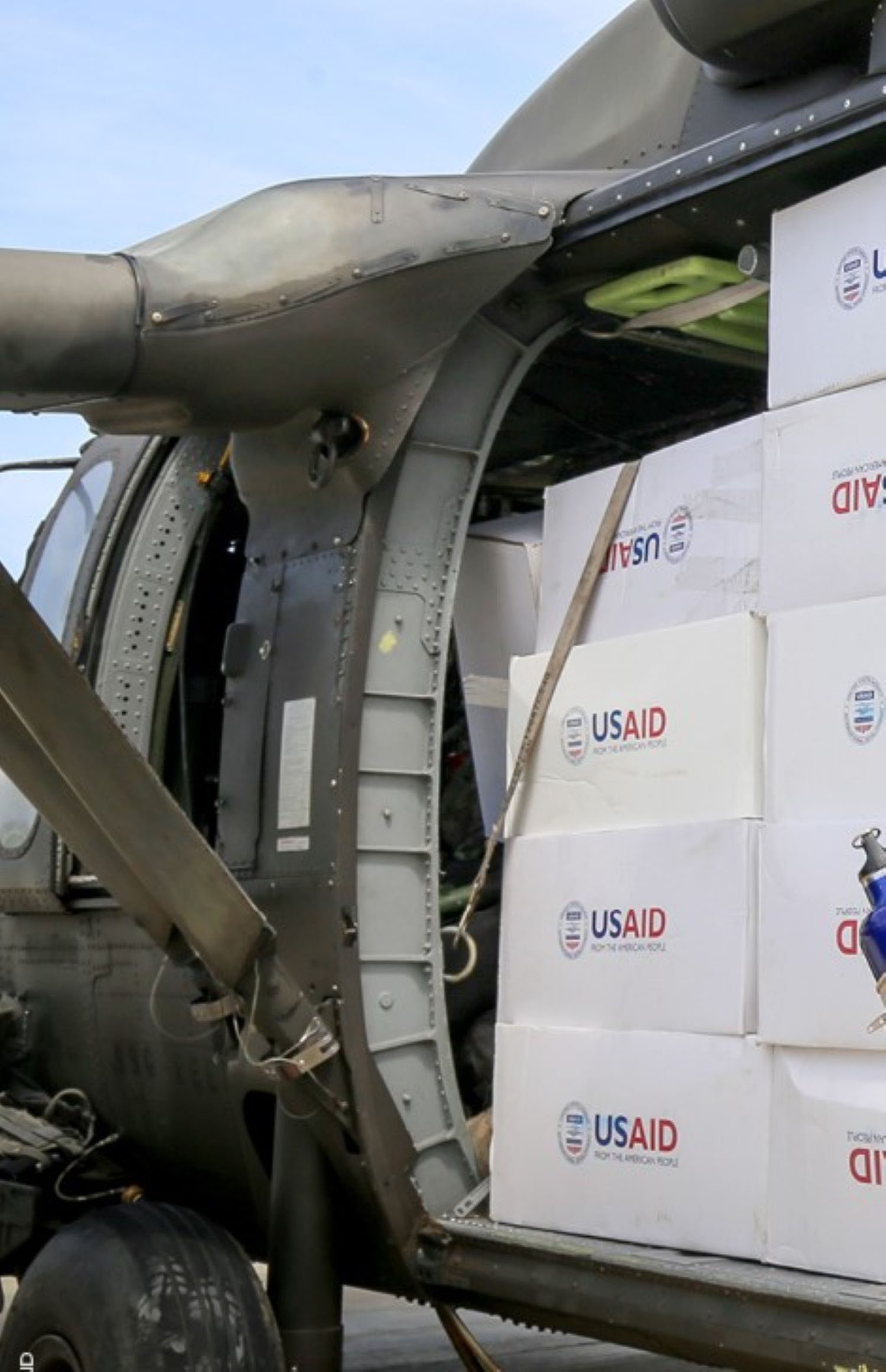
The Trump administration’s shuttering of USAID radically altered the shape of American development assistance. Today, the dust is settling, with development assistance functions spread across multiple agencies, but this new configuration should not be accepted as a permanent status quo. Meanwhile, the debate on Capitol Hill about which agency should lead development has narrowed: reinstate development aid at an independent agency (likely some version of a restored USAID operating under existing statutory authority) or give development a permanent home at the State Department.
That binary misses the point. US development assistance performs several distinct functions, ranging from humanitarian response to economic growth, which may be best served by a different institutional architecture and associated authorities and tools. In our note, we argue that form should follow function and examine five institutional options for US development assistance. We advise against simply restoring USAID without substantial reforms or making the State Department the permanent lead for US development assistance. Either option would risk squandering this unique window of opportunity to build a strategic, ambitious, fit-for-purpose development architecture. We propose a bold rethink of how to structure US development assistance; if we don’t shape that architecture deliberately, it will likely default to what is, not what could be.
Why now?
The window for bold reform is open, but it may not last. We have an opportunity to rethink the architecture from first principles: what should it do? Which functions should it elevate? What tools should be at its disposal? And what institutional form best serves them?
Five options for development architecture
We propose a range of options, from the lightest lift—keeping development at the State Department—to the heaviest—building a new bilateral agency with expanded tools. We assess each option on how well it meets key criteria: coverage of essential functions, effectiveness, protection of development from subordination to diplomacy, and bipartisan durability. We judge each option by what it could become in the medium term. But we don't have a crystal ball. As 2026 made clear, political winds can shift fast, and our judgments on durability and feasibility are best guesses. We believe the more ambitious options best seize the opportunity, but we also interrogate the pros and cons of the current debate on State versus a restored USAID.
1. Build a permanent home for development at the State Department
Adapt the State Department’s foreign assistance apparatus into a technically capable development and humanitarian arm. This is the lowest-friction path, but it risks relegating development to second-tier status permanently. It’s not a long-term answer, but we offer near-term fixes to make it work for now.
2. Revive a reformed USAID
Reconstitute USAID, with its historic toolkit, as an independent agency with its own administrator and authorities, separate from the State Department. This would be a powerful signal of renewed commitment, but without deep reform, it would risk replicating the issues that hampered USAID in the first place.
3. Supercharge the Millennium Challenge Corporation (MCC) and work in tandem with a developmentally focused Development Finance Corporation (DFC), buoyed by a dedicated home for lifesaving aid
Retrofit and expand MCC and DFC, letting each cover terrain the other cannot reach, and stand up a new agency to manage lifesaving assistance, including global health programming and humanitarian and disaster response. This option strengthens two institutions that enjoy bipartisan support, but it only works with a clear division of labor and accountability for the seams, and still requires a new agency for lifesaving assistance.
4. Go big on the multilaterals
Rebalance US assistance toward multilateral institutions, especially the highest-performing institutions most aligned with US foreign policy objectives. This is the most cost-effective option for development assistance, since multilateral development banks leverage every donor dollar many times over, but it forfeits visibility and control. This is a complement to other options, not a substitute. Still, it would mark a major sea change for US foreign assistance.
5. Create a new bilateral entity with new capabilities
Construct an entirely new entity, with tools beyond those of USAID or State, that consolidates the various pieces of the US foreign assistance apparatus. This full-service option would offer a robust toolkit for strategic use of development resources and equal footing for development, but it would require an act of Congress and significant political capital.
Next steps
None of these options is pure in practice; the best option likely incorporates aspects from many. We favor a stronger MCC working in lockstep with a development-focused DFC, with an independent home delivering lifesaving aid to start. Over time, we’d like to see consolidation into a full-service institution with a range of grant and finance options and a larger, more selective multilateral commitment. The choice isn’t whether to leave development at the State Department or return it to a restored USAID; it’s whether to define what US development assistance is meant to do and build a form that serves it, or to let that form emerge by default. Read our full note here.