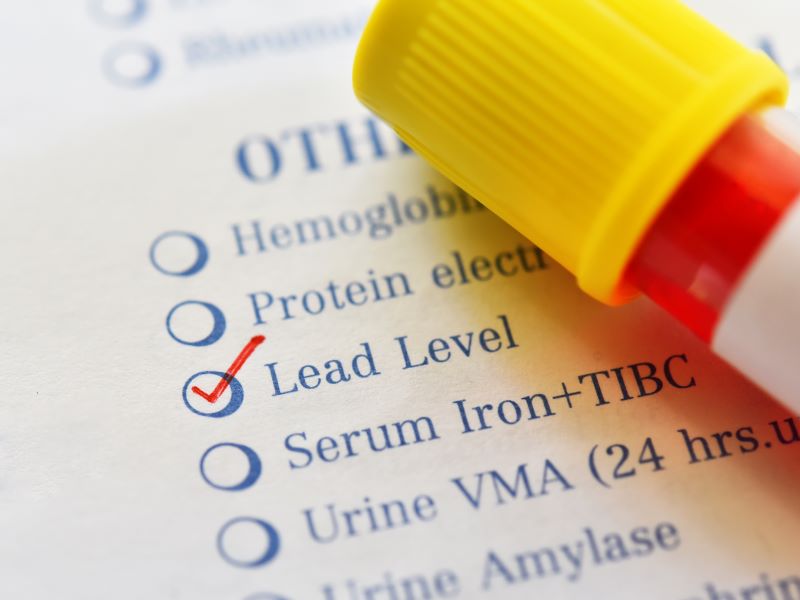
Lead costs low- and middle-income countries more than a tenth of their GDP. Yet on the list of priorities in the world’s main chemical management agreement, it appears only in part, as lead in paint.
Next week, governments, industry, and civil society meet in Geneva for the first conference of the Global Framework on Chemicals (GFC), the 2023 agreement to tackle chemical pollution. One thing they will decide is which chemicals the agreement prioritises. Alongside many partners, CGD is calling for stakeholders to put lead from all sources on that list. Lead is the best evidence we have of a much bigger and mostly unmeasured problem.
Chemical pollution should be a global priority
The World Health Organization (WHO) estimated that in 2019, man-made chemicals killed about two million people, roughly half of which were from lead poisoning. But as the WHO itself recognises, that is a substantial undercount due to lack of data on most chemicals. Since then, the Institute for Health Metrics and Evaluation has upped the estimated death count from lead exposure alone to be about 3.5 million a year (more than deaths caused by HIV, malaria, active wars, natural disasters, and traffic accidents…combined!)
Figure 1. Among chemicals with a global death count, lead is the biggest killer
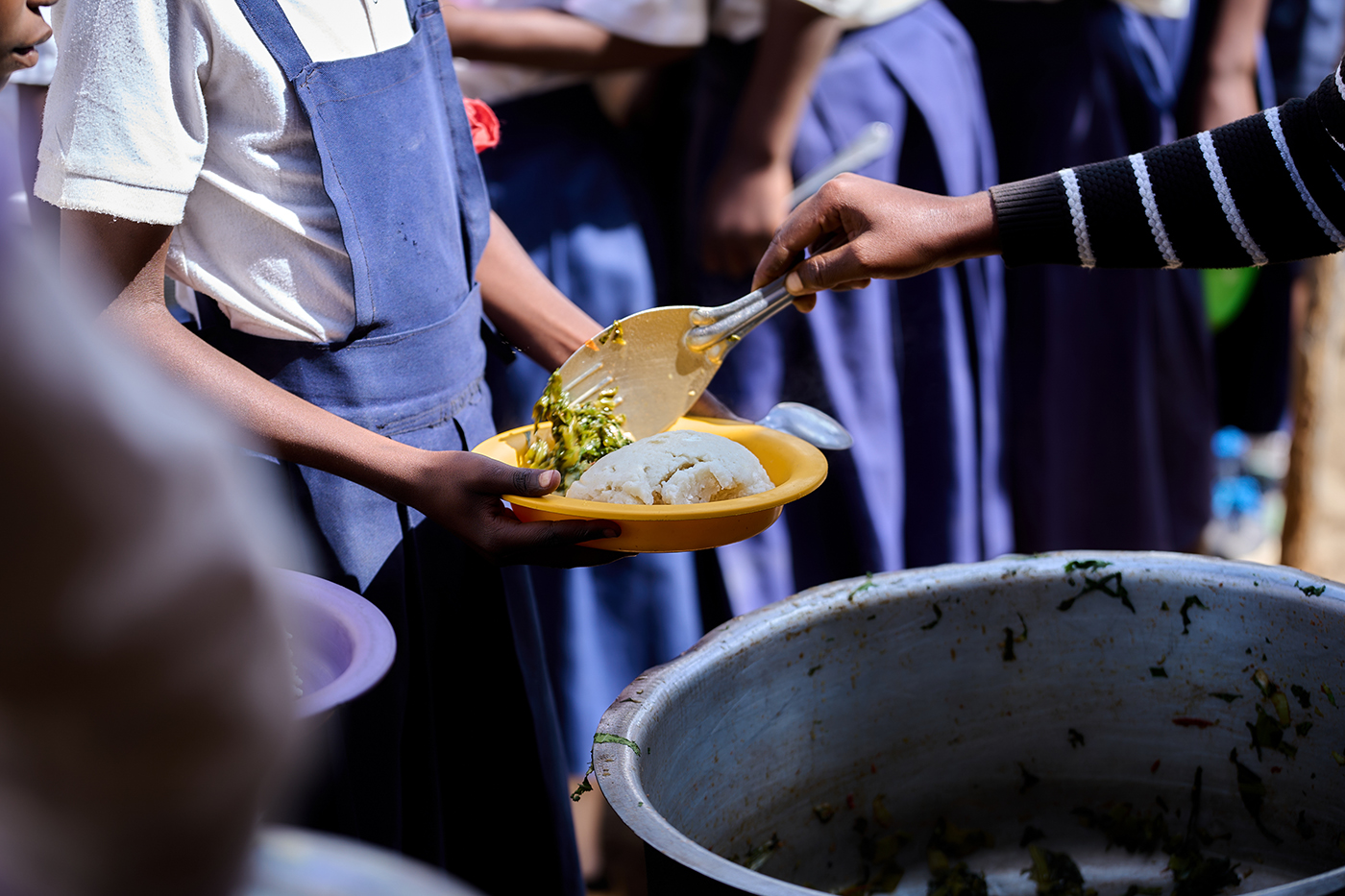
Chemical safety has previously been treated as a workplace issue. Agencies have built limits for adult workers and routine inspections, but exposures at home are happening at a larger scale. Heavy metals in spices and cookware, asbestos in roofs over houses or classrooms, industrial pollution in residential neighborhoods, and chemicals in untested consumer products all affect whole populations. And the scale is only set to grow, as the chemical industry, worth more than $5 trillion in 2017, is projected to double by 2030.
For lead, the problem is distinctly tractable. In 2018, Georgia found that 41 percent of children aged 2 to 7 had lead poisoning. The main source was adulterated spices. Once the problem was visible, the government-built lab capacity enforced laws and set up national surveillance, leading to blood lead levels declining substantially. Other national policies that have banned lead in certain products have been valued among the most cost-effective interventions in global health that we know of. There is no reason why this couldn't work for many other harmful chemicals.
Testing the rest
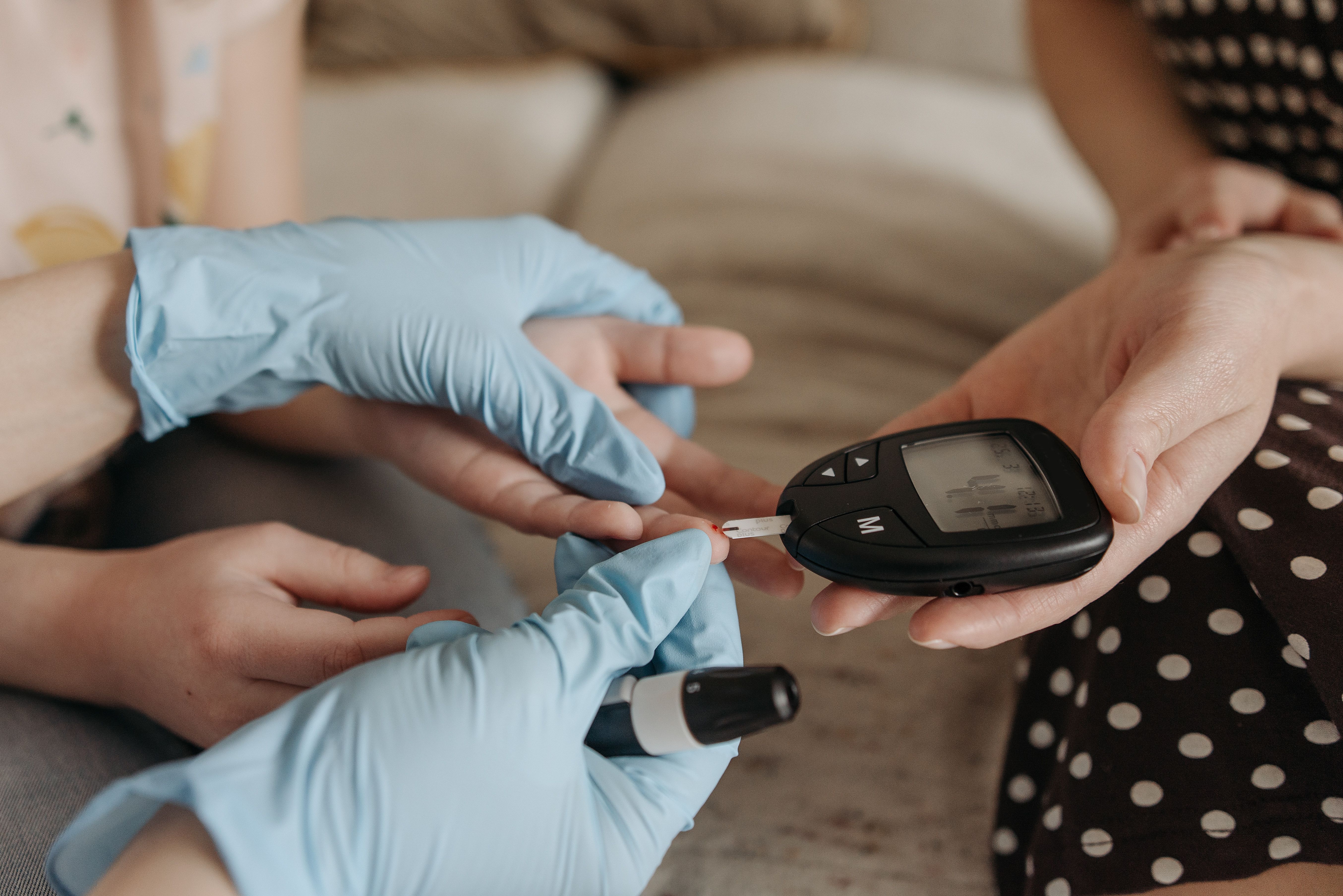
As for the other 350,000 manmade chemicals, we have almost no idea how big the problem really is. Very few countries routinely test for harmful chemicals in people’s blood, consumer products, or the environment. Even for lead, there is no recent blood lead data for almost two-thirds of low- and middle-income countries. We should consider what sparked those few governments to react to lead exposure: good data.
At the conference next week, countries will discuss how to track the progress made by the Global Framework on Chemicals, including a measure of the disease burden attributed to chemical exposures. But a measure built on existing data will only count harm someone has measured. Unless it comes with a push to collect new data, the burden in the poorest countries will continue to be invisible.
Lead from all sources should be on the priority list
Conference attendees will agree to a short list of issues of concern to tackle through the framework. Listed issues get a programme of work, which can attract funding. This is the preliminary list:
- Chemicals in products
- Endocrine-disrupting chemicals
- Environmentally persistent pharmaceutical pollutants
- Hazardous substances within the life cycle of electrical and electronic products
- Highly hazardous pesticides
- Lead in paint
- Managing perfluorinated chemicals and the transition to safer alternatives
- Nanotechnologies and manufactured nanomaterials
Notably, lead paint gets its own point on the list, a holdover from the last agreement, which made lead paint a priority in 2009. Global progress on leaded paint in recent years means we can now turn to the 20+ other major sources of lead that need attention to wholly tackle the issue. There is a nomination to broaden the priority topic beyond just paint. As the chemical we understand best, with the clearest evidence of harm, with such well documented advice for governments, and that countries can make progress on first, lead from all sources should be top of the agenda.
What countries agree to in Geneva will set the course for tackling chemical exposures. For lead, the solutions are known and measurable, which is what makes it the test: if governments cannot move lead forward, it is hard to see how they will manage the chemicals we know so much less about.
To those attending, come and find us at the Lead Corner at CICG’s Espace Wangari Maathai, which CGD is co-hosting with UNEP and the Partnership for a Lead-Free Future (PLF). There will be stalls and sessions on lead for the entirety of the conference, including the Monday 16 November, 14:20 session where the GAHP makes the case for lead from all sources to be an issue of concern, and the Tuesday 17 November, 13:15 session co-hosted by CGD and the PLF on financing national lead strategies.