November 04, 2026
Recommended

POLICY PAPER
The Evolution of UK Climate Finance
October 01, 2026

CGD NOTE
Which Countries Have Exceeded Their Carbon Budgets?
November 02, 2026

Topics
CITATION
Cichocka, Beata, Rob Moore, and Ian Mitchell. 2026. Principles on Enhanced Climate Finance Effectiveness: A Provider-Level Framework for Systemic Reform of International Climate Finance. Center for Global Development.DISCLAIMER & PERMISSIONS
CGD's publications reflect the views of the authors, drawing on prior research and experience in their areas of expertise. CGD is a nonpartisan, independent organization and does not take institutional positions. You may use and disseminate CGD's publications under these conditions.
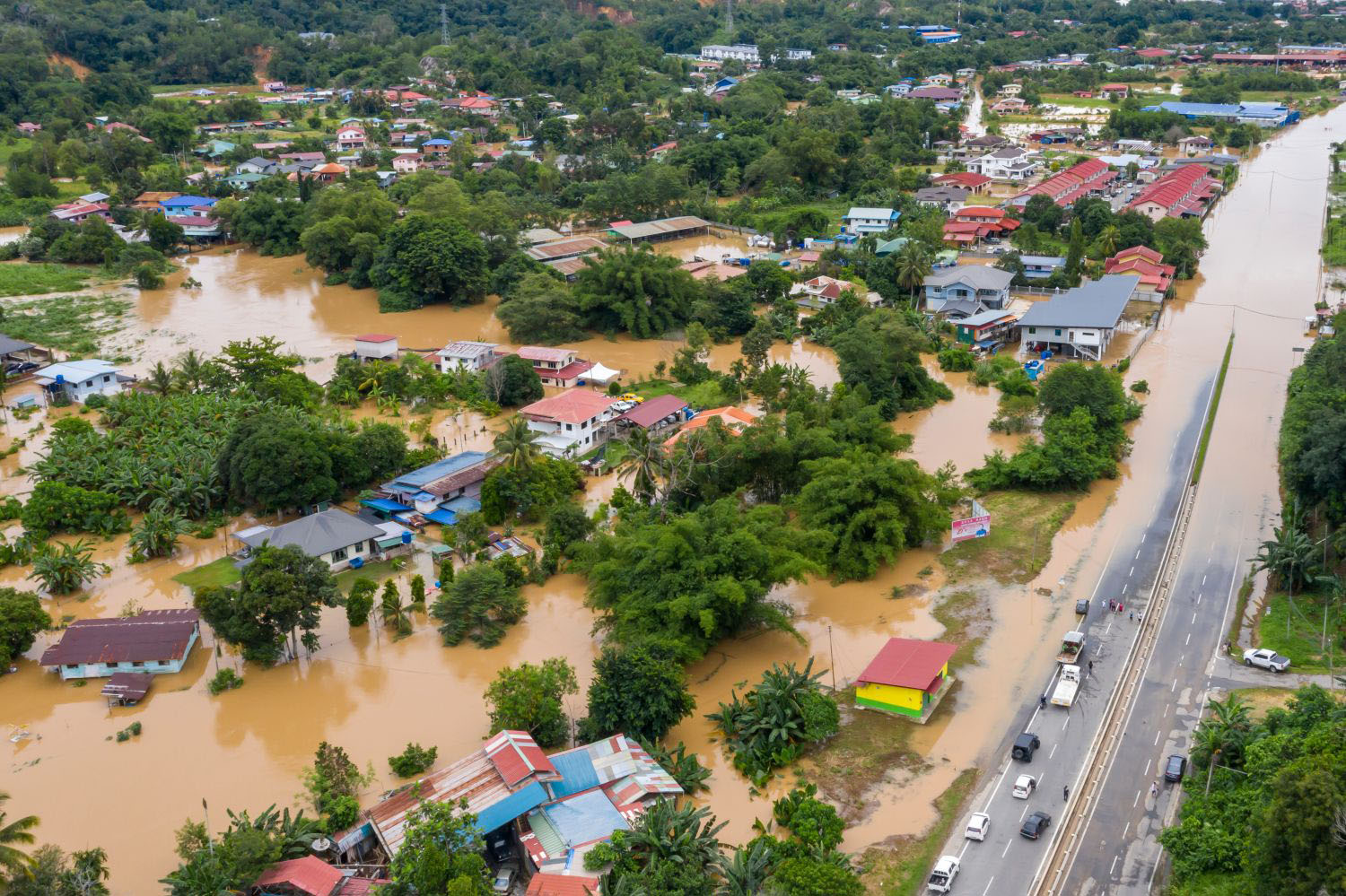
Thumbnail image by: cronopio/ Adobe Stock