In a recent blog post, we argued that the increase in oil prices spurred by the war in the Middle East—particularly if sustained—will likely have major consequences for government budgets. Many governments, in both advanced and developing economies, are cushioning households and firms from higher energy costs by cutting fuel taxes or providing subsidies. We estimated that oil prices near $100 per barrel would impose additional annual budgetary costs of about 0.9 percent of GDP in developing economies and 0.4 percent in advanced economies, with costs rising to as much as 3 percent of GDP in energy-import-dependent developing countries. These costs would increase further if oil prices rise further. Since our earlier estimates, exchange-rate depreciations in several oil-importing developing countries have amplified these fiscal strains.
In this post, we shift the focus to countries in the Middle East more directly affected by the conflict. Some of these economies are major energy exporters. Yet, despite benefiting from higher oil prices, they are not insulated from the war and are fiscally vulnerable. They face direct costs of the conflict through loss of life and destruction of public and private assets, with broader fiscal consequences transmitted through multiple channels.
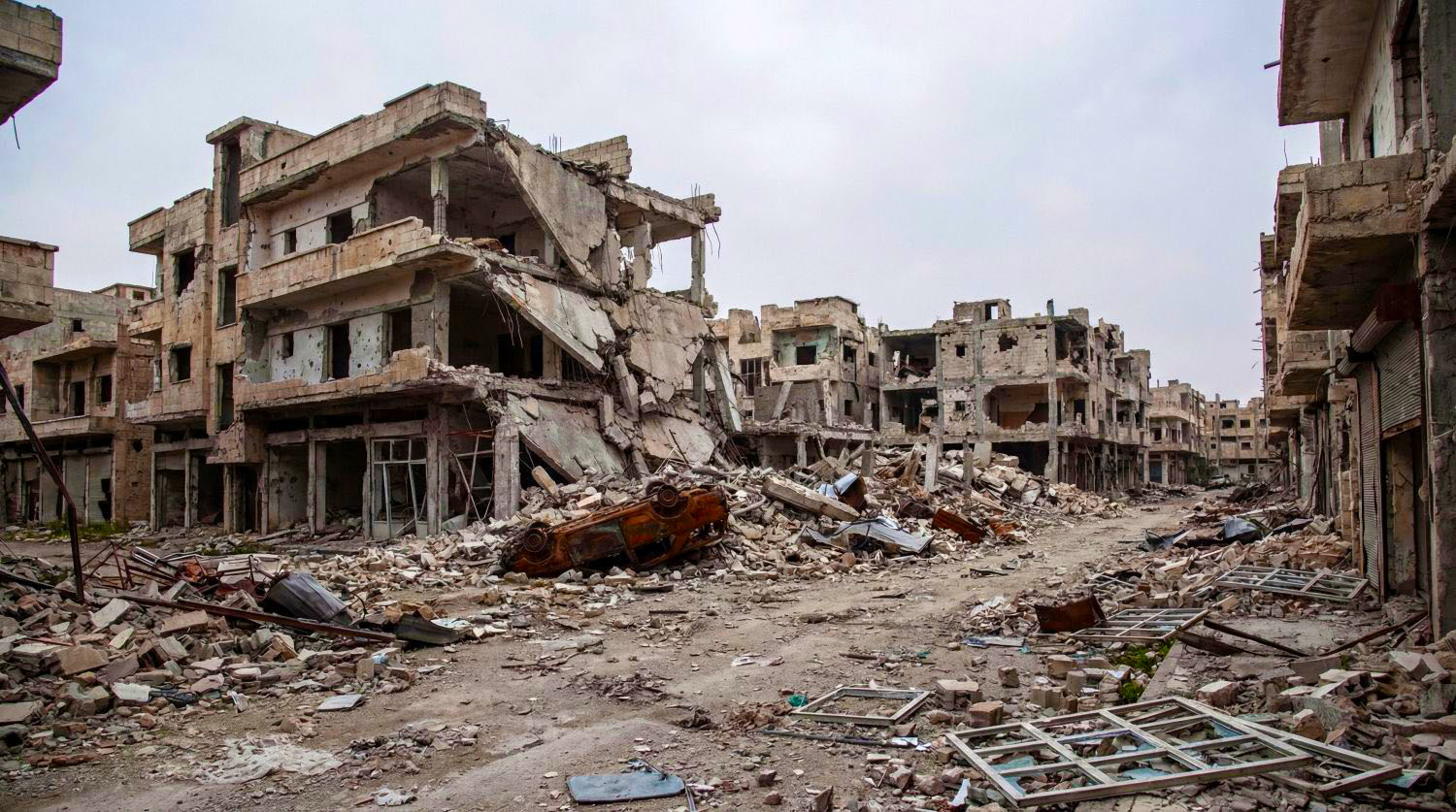
Fiscal costs of conflict
Our analysis draws on our coauthored chapter in the Handbook on Terrorism published by Cambridge University Press in 2026, which examines how conflict affects public finances across a large sample of countries. Using evidence from 191 economies—both advanced and developing—we examine the channels through which conflict is likely to affect public finances in countries neighboring Iran.
We find that conflict typically leads to a cumulative decline in real GDP over five years following its onset. This decline is driven primarily by reduced private consumption. More broadly, the decline in growth reflects damage to physical infrastructure and human capital, disruptions to trade and tourism, and weakened business confidence.
The economic slowdown erodes the tax base, as government tax revenues are tied to economic activity. In the initial years, tax revenues tend to fall by more than government spending, leading to rising government deficits and public debt. At the same time, the share of military outlays in government spending increases modestly in the first three years.
In many countries of the region, defense spending already absorbs a large share of the budget, and the conflict risks further crowding out ambitious plans for economic diversification, modernization, and development. As a result, today’s conflict risks delaying the economic transformation agenda at a critical juncture. That said, compared to many other conflict-affected countries, some of the region’s oil exporters have strong financial buffers and could undertake rapid reconstruction, which would mitigate the long-term economic damage noted above.
Bottom line
The fiscal consequences of the current conflict extend well beyond the oil price shock affecting oil-consuming countries. The combination of weaker growth, eroding tax revenues, and higher security spending will place pressure on the public finances of these countries.
The extent of these effects will vary across countries depending on factors such as available fiscal space, reliance on hydrocarbon revenues, and exposure to spillovers from war. Even for oil exporters, higher hydrocarbon revenues may be offset—or even outweighed—by conflict-related costs and macroeconomic disruptions. Strengthening fiscal frameworks, prioritizing efficient public spending, and mobilizing non-oil revenues will be critical to maintaining resilience. Once the war subsides, swift implementation of reconstruction efforts will help limit economic scarring in the medium term.